
A traumatic brain injury can affect much more than your immediate health. Depending on the severity of the injury, you may face months of medical treatment, time away from work, ongoing therapy, and changes to your ability to work or live independently.
If the injury was caused by another person’s negligence, Indiana law may allow you to seek compensation for both the financial losses you have already experienced and the future effects of the injury.
The amount available in a traumatic brain injury claim depends on the circumstances of the accident, the severity of the injury, who was responsible, and how the TBI is expected to affect your life going forward.
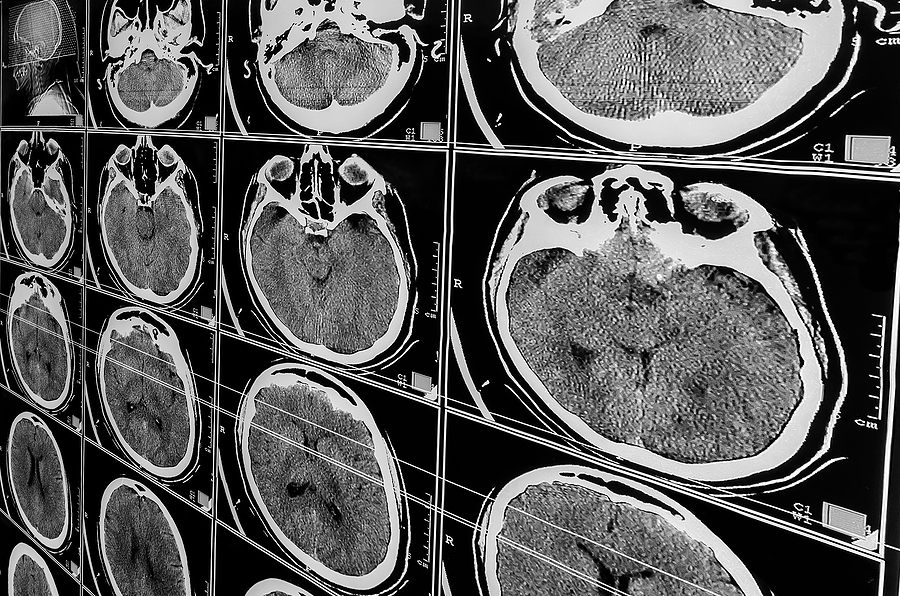
What Damages Can Be Recovered After a TBI?
There is no standard settlement amount for a traumatic brain injury. Instead, compensation is generally based on the losses caused by the injury.
Medical Expenses
A TBI claim may include compensation for medical care such as:
- Emergency treatment and hospitalization
- Diagnostic testing and brain imaging
- Neurological care
- Surgery
- Physical, occupational, or speech therapy
- Cognitive rehabilitation
- Prescription medications
- Follow-up appointments
- Future medical treatment and rehabilitation
Future medical expenses can be especially important when a brain injury causes lasting cognitive, physical, behavioral, or neurological problems.
Lost Income and Reduced Earning Capacity
A brain injury may prevent someone from working temporarily or make it difficult to return to the same type of work. Compensation may therefore include wages already lost during recovery as well as future loss of earning capacity when the injury permanently limits a person’s ability to work or advance in a career.
Pain and Suffering
Not every consequence of a TBI has a specific dollar amount attached to it. A personal injury claim may also seek compensation for the physical pain, emotional distress, and disruption to everyday life caused by the injury. Depending on the circumstances, this can include problems with memory, concentration, sleep, mood, independence, relationships, and activities the injured person previously enjoyed.
Future Care and Assistance
Severe traumatic brain injuries sometimes require long-term assistance that extends well beyond traditional medical treatment. Depending on the injury, damages may account for future rehabilitation, home health care, personal assistance, medical equipment, modifications to a home or vehicle, and other services necessary because of permanent limitations.
What Determines the Value of a TBI Claim?
Two people with similar diagnoses can have very different claims because a brain injury does not affect everyone in the same way.
Factors that may influence compensation include:
- The severity and permanence of the brain injury
- The amount of past and expected future medical treatment
- Time missed from work
- Loss of future earning ability
- Whether the person can live independently
- Cognitive, emotional, or personality changes
- The effect of the injury on everyday activities and relationships
- Available insurance coverage
- The strength of the evidence establishing fault
- Whether the injured person shares any responsibility for the accident
Medical records are especially important in TBI cases. Because some symptoms are difficult to see from the outside, documentation from neurologists, therapists, rehabilitation specialists, and other medical providers can help establish how the injury has affected the person’s life.
Who May Be Responsible for a Traumatic Brain Injury?
Responsibility depends on how the injury happened. For example, a TBI caused by a traffic accident may lead to a claim against a negligent driver. A fall may involve a property owner if an unsafe condition caused the accident. Defective products can potentially result in claims against manufacturers or other companies in the distribution chain.
Workplace brain injuries can involve different rules. Workers’ compensation may provide benefits for an employee injured on the job, while a separate personal injury claim may sometimes be available against a negligent third party that contributed to the accident.
Determining every potentially responsible party can be important because severe brain injuries can create significant long-term financial needs.
How Does Indiana’s Comparative Fault Law Affect Compensation?
Indiana generally follows a modified comparative fault system. An injured person can recover damages when his or her share of fault does not exceed 50%. If the injured person’s percentage of fault is greater than 50%, recovery is barred. When the injured person is partially responsible but still eligible to recover, compensation is reduced by that percentage of fault.
For example, if damages are determined to be $100,000 and the injured person is found 20% responsible, the recoverable amount would generally be reduced to $80,000.
How Long Do You Have to File a TBI Lawsuit in Indiana?
Indiana generally requires an action for personal injury to be filed within two years after the cause of action accrues.
There are circumstances that can affect filing deadlines, however. Claims involving government entities, minors, medical malpractice, and certain other situations may involve different procedures or deadlines. For example, some claims against an Indiana political subdivision require a tort claim notice within 180 days of the loss.
Because of these exceptions, it can be risky to assume that every TBI case has the same deadline.
Are There Damage Caps in Indiana TBI Cases?
There is not one damage cap that applies to every traumatic brain injury claim in Indiana. The rules depend in part on who caused the injury and the type of case involved.
For example, Indiana law places specific liability limits on certain claims against governmental entities. Medical malpractice claims involving qualified health care providers are also subject to separate statutory limits.
Most ordinary negligence claims against private individuals or businesses are governed by different rules.
What About Punitive Damages?
Punitive damages are different from compensation for medical bills, lost wages, and pain and suffering. They may be available in limited cases involving particularly wrongful conduct.
Indiana caps a punitive-damage award at the greater of three times the compensatory damages awarded or $50,000.
Indiana also requires 75% of a paid punitive-damage award to be deposited into the state’s Violent Crime Victims Compensation Fund, with the remaining 25% paid to the person who received the award.
Punitive damages should therefore not be treated as a standard part of a TBI claim.
Do TBI Cases Usually Settle With the Insurance Company?
Many traumatic brain injury claims begin with an insurance claim and ultimately resolve through a negotiated settlement. The difficulty with a TBI claim is determining the full extent of the injury before accepting compensation.
Symptoms such as memory problems, headaches, difficulty concentrating, behavioral changes, or reduced ability to work may continue long after the accident. When an injury may have lasting effects, the potential cost of future medical treatment and lost earning capacity should be considered before a claim is resolved.
If the parties cannot agree on liability or the value of the claim, it may be necessary to file a personal injury lawsuit.
Frequently Asked Questions
What is the average settlement for a traumatic brain injury in Indiana?
There is no reliable average settlement that can predict what an individual TBI claim is worth. A concussion that resolves relatively quickly is very different from a brain injury that causes permanent cognitive impairment, loss of employment, or the need for lifelong assistance.
The value of the case depends on the actual losses and long-term consequences of the injury.
Can I recover compensation for future TBI treatment?
Potentially. When medical evidence shows that additional care will likely be necessary, future treatment and rehabilitation costs may be included when determining damages.
Can I make a claim if I was partially responsible for the accident?
Possibly. Indiana’s comparative fault law generally allows recovery when the injured person’s share of fault is 50% or less, although the compensation is reduced according to that percentage of responsibility.
How long does a traumatic brain injury case take?
There is no standard timeline. Some claims can be resolved through negotiations, while cases involving serious injuries, disputed responsibility, or uncertain long-term medical needs may take substantially longer.
In serious TBI cases, resolving the claim too early can be a concern because the long-term effects of the injury may not yet be known.
Talk With an Indiana Traumatic Brain Injury Attorney
A traumatic brain injury can create medical, financial, and personal challenges that continue long after the accident itself.
If another person’s negligence caused your injury, understanding the full extent of your current and future losses can be an important part of determining what compensation may be available.
Craven Blazek Law represents injured people in Indianapolis and throughout Indiana. If you or a family member suffered a traumatic brain injury, contact our firm for a free consultation to discuss what happened and the legal options that may be available.
Related Posts:
How to Get a TBI Injury Settlement in Indiana
Seeking Personal Injury Compensation for a Brain Injury in Indiana
The Road to Justice: Filing a Traumatic Brain Injury Lawsuit in Indiana