
A crash with a semi-truck can change your life in seconds. One moment you’re driving home; the next, you’re dealing with serious injuries, mounting medical bills, and questions you never expected to face. If a large truck has injured you, the road ahead can feel overwhelming.
The good news? You don’t have to figure it out alone. Truck accidents involve unique laws, federal regulations, and multiple parties—which means your case is different from a typical car crash. Knowing what to do next can protect both your health and your right to fair compensation.
In Indiana, large truck crashes are more common than many people realize. In a single recent year, 5,897 crashes involved large trucks, leading to 1,862 injuries and 127 fatalities (Truitt Law Offices). Behind every one of those numbers is a person whose life was suddenly turned upside down.
This guide walks you through the immediate steps to take, what makes truck cases so complex, and how to protect your legal rights along the way.
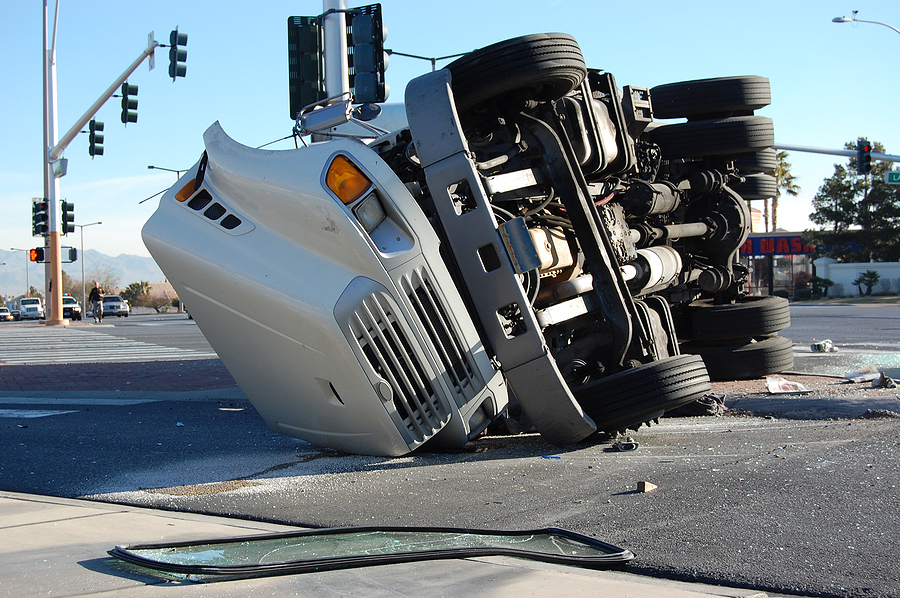
Immediate Steps to Take After a Truck Accident
What you do in the hours and days after a crash can shape your recovery and your claim. Here’s where to start.
Prioritize Safety and Medical Attention
Your health comes first. Move to a safe spot if you can, and call 911 right away. Even if you feel fine, see a doctor as soon as possible. Some injuries—like internal bleeding, concussions, or whiplash—don’t show symptoms until hours or days later.
Getting prompt medical care does two things. It protects your well-being, and it creates a record that links your injuries directly to the crash. That record can become vital evidence later.
Document the Accident Scene
If you’re physically able, gather as much information as you can while you’re still at the scene:
- Take photos and videos of the vehicles, road conditions, skid marks, and your injuries.
- Collect contact details from the truck driver, including their name, employer, and insurance information.
- Get witness information from anyone who saw what happened.
- Note the truck’s details, such as the company name, license plate, and any U.S. DOT number on the cab.
The more you document early, the harder it is for anyone to dispute the facts later.
Why Large Truck Accidents Are So Complex
Truck crashes aren’t just bigger versions of car accidents. They follow a different set of rules and often involve far more at stake.
Federal Trucking Regulations Matter
Commercial trucks are governed by the Federal Motor Carrier Safety Administration (FMCSA). These rules cover everything from how many hours a driver can be on the road to how cargo must be loaded and how vehicles must be maintained.
When a trucking company or driver breaks these rules, that trucker violation can become powerful evidence of negligence. For example, a driver who exceeded federal hours-of-service limits may have been dangerously fatigued behind the wheel. Records like driver logs, inspection reports, and maintenance histories can reveal exactly what went wrong.
How Truck Cases Differ From Car Accidents
A few key differences set truck cases apart:
- Severity of injuries. A fully loaded semi can weigh 20 to 30 times more than a passenger car, so crashes often cause catastrophic harm.
- Multiple liable parties. Fault may extend beyond the driver to the trucking company, the cargo loader, a maintenance provider, or even a parts manufacturer.
- Higher insurance stakes. Commercial policies carry larger coverage limits, which means insurers fight harder to limit what they pay.
- More evidence to collect. Electronic logging devices, “black box” data, and company records all come into play.
These layers make truck injury claims harder to handle on your own—but they can also open more paths to recovering full compensation.
Your Legal Rights After a Truck Accident
When someone else’s negligence causes your injuries, Indiana law gives you the right to seek compensation. Building a strong case starts with the right approach.
Investigating Your Truck Accident Claim
A thorough investigation is the backbone of any truck accident claim. This may involve securing the truck’s data, requesting the driver’s logs, reviewing the company’s safety record, and consulting accident reconstruction experts. Acting quickly matters, because some evidence can be lost or overwritten if it isn’t preserved early.
Determining Liability in Truck Accidents
Figuring out who’s responsible is rarely simple. Depending on the circumstances, liability may fall on:
- The truck driver, for unsafe driving, fatigue, or distraction.
- The trucking company, for poor hiring, inadequate training, or pressuring drivers to skip rest.
- The cargo company, for improperly loaded or secured freight.
- A maintenance provider or manufacturer, for faulty repairs or defective parts.
Identifying every responsible party gives you the best chance at full and fair compensation for your losses.
Working With a Large Truck Accident Lawyer
Going up against a trucking company and its insurer is a serious challenge. The right legal support levels the playing field.
Why Legal Representation Is Crucial
Trucking companies often have legal teams and investigators working to protect their interests within hours of a crash. An experienced truck accident lawyer can match that effort—gathering evidence, handling negotiations, and standing up for you if your case goes to court. Just as importantly, a lawyer lets you focus on healing while someone else fights for your recovery.
What to Expect During Your Consultation
A good first consultation should feel informative, not intimidating. You’ll have the chance to share your story, ask questions, and learn about your options. Your lawyer will explain how the process works, what your case might be worth, and what steps come next—all with no pressure to commit. It is important to schedule a case review as soon as possible.
Frequently Asked Questions
How long do I have to file a truck accident claim in Indiana?
Under Indiana Code § 34-11-2-4, the statute of limitations for most personal injury cases is two years from the date of the accident. Some situations can shorten or extend that window, so it’s wise to speak with a lawyer as soon as possible to protect your rights.
What types of damages can I recover?
You may be entitled to compensation for medical bills, future medical care, lost wages, reduced earning capacity, and pain and suffering. The exact amount depends on the severity of your injuries and how the crash has affected your life.
What if the trucking company contacts me directly?
Stay calm and avoid admitting fault. Don’t agree to a quick settlement or give a recorded statement before speaking with a lawyer. Early offers are often far lower than what your claim is truly worth. Politely collect their information and let your attorney handle the conversation.
Seeking Justice After a Truck Accident
A serious truck crash leaves you with more than physical injuries—it brings financial strain, emotional stress, and a maze of legal questions. By acting quickly, documenting what happened, and seeking the right legal help, you put yourself in the strongest position to recover what you deserve.
You didn’t choose this. But you can choose how to respond.
Injured by a large truck in Indiana? Get the answers you need with a free personal injury consultation from an experienced Indianapolis truck accident lawyer with Craven Blazek Law. You pay nothing unless we win your case, and there’s no need to travel—we’ll come to you. Reach out today to take the first step toward justice.
Related Posts:
Delivery Truck Accidents in Indiana
Indiana Truck Accident Laws: Protecting Your Rights on the Road
What You Need to Know After Being Injured in a Semi-Truck Accident