What Maximum Medical Improvement (MMI) Means for Your Injury Claim

Getting hurt in an accident sets off a chain of events that most people aren’t prepared for. Medical appointments, insurance calls, missed work—and then, somewhere in the middle of it all, your doctor mentions something called Maximum Medical Improvement. If you’ve never heard the term before, it can feel like one more confusing piece in an already complicated puzzle.

MMI is one of the most important milestones in a personal injury claim. It shapes how your damages are calculated, when settlement talks begin, and how much compensation you may ultimately receive. Getting a clear picture of what it means—and what it doesn’t mean—can make a real difference in how you handle your case.

This post covers the key facts about MMI: what it is, how long it takes to reach, how it affects your claim, and some of the most common myths surrounding it.

Maximum Medical Improvement MMI

What Is Maximum Medical Improvement?

Maximum Medical Improvement is the point at which a treating physician determines that your condition has stabilized and is unlikely to improve significantly with further treatment. In plain terms, your recovery has reached a plateau.

In a personal injury context, MMI serves as a medical and legal benchmark. It tells your attorney, the insurance company, and the court what your long-term medical picture looks like. Without it, your damages are largely a matter of speculation.

How MMI Differs from Full Recovery

This is where a lot of people get tripped up. MMI does not mean you’re healed. It means you’ve recovered as much as your doctors expect you ever will—with or without continued treatment.

You may still experience chronic pain, limited mobility, or permanent physical restrictions after reaching MMI. Your condition has simply stabilized at that point. For some people, that means a complete recovery. For others, it means living with lasting limitations.

Who Determines MMI?

Your treating physician is typically the one who declares MMI, based on your treatment history and clinical progress. In some cases—particularly those involving insurance disputes—the insurer may request an Independent Medical Examination (IME) conducted by a separate physician of their choosing. IME doctors sometimes offer more conservative assessments, which is why having experienced legal representation matters.

How MMI Affects Your Claim Value

MMI is a turning point in any personal injury case. Before it’s reached, the full extent of your damages remains unknown. After it’s reached, your legal team has the medical foundation to calculate what your case is actually worth.

The Connection to Settlement Negotiations

Settlement discussions typically begin—or intensify—once you’ve reached MMI. At that stage, your injury attorney can account for all past medical costs, projected future care needs, lost earning capacity, and non-economic damages like pain and suffering.

Settling before MMI is risky. You might think you’re on a straightforward road to recovery, only to later discover you need surgery or will never regain full function. Once a settlement is signed, the case is closed. You generally cannot go back and request more compensation if your condition worsens.

Insurance companies know this. They often push for early settlements precisely because the full extent of your injuries hasn’t been established yet. Waiting until MMI protects you from accepting an offer that falls short of your real long-term needs.

The Role of Permanent Impairment Ratings

After MMI, your physician may assign a permanent impairment rating if your injury has caused lasting limitations. This rating quantifies the degree of functional loss and plays a significant role in determining compensation—particularly in cases involving disability or reduced earning capacity. It also provides expert evidence that strengthens your position in settlement negotiations or at trial.

MMI and Ongoing Treatment

Reaching MMI doesn’t mean your medical care ends. Many injury victims continue to receive treatment after this milestone—therapy, pain management, medication, or follow-up evaluations are all common.

What changes is the nature of that care. Before MMI, treatment is aimed at improving your condition. After MMI, the focus shifts to managing and maintaining it. Your documented ongoing needs become part of the future medical costs included in your claim, which is why thorough record-keeping at every stage of your recovery matters.

If your insurer or employer tries to cut off benefits simply because you’ve reached MMI, that doesn’t automatically mean they’re right. Continued care for a stabilized but permanent condition can still be covered, depending on your policy and the specifics of your case.

Common Misconceptions About MMI

Myth: MMI Means You’re Completely Healed

As discussed above, MMI signals stabilization—not a cure. Many people live with real, ongoing symptoms long after their treating physician has declared MMI. This distinction matters significantly for how damages are calculated.

Myth: You Can’t Receive Benefits After MMI

Reaching MMI can trigger changes in certain benefit structures—particularly in workers’ compensation, where temporary disability payments may stop at this point. But it does not eliminate your right to compensation for permanent limitations, future medical care, or pain and suffering.

Myth: MMI Happens on a Set Timeline for All Injuries

There is no fixed schedule. Two people with the same type of fracture may reach MMI months apart, depending on their age, overall health, access to consistent care, and dozens of other variables. Anyone who tells you MMI will happen at a specific time before treatment is complete is speculating.

Frequently Asked Questions

What if I disagree with my doctor’s MMI determination?

You have options. Seeking a second medical opinion is the most common first step—another physician may review your records and reach a different conclusion. Depending on the context of your claim, you may also be able to formally challenge the determination through the appropriate workers’ compensation board or with the support of an attorney.

Can I reopen my claim after MMI?

In most cases, once you sign a settlement release, the claim is final. This is one of the most important reasons to wait until MMI—and to have legal counsel review the release language—before accepting any offer. Limited exceptions exist in some states under exclusive circumstances, but they are narrow.

How does MMI apply to workers’ compensation vs. personal injury claims?

Workers’ compensation programs often use the term “medically stationary” rather than MMI, and the rules governing benefits, timelines, and dispute processes differ significantly from third-party personal injury claims. If you’re dealing with a work-related injury that also involves a third-party claim, the two processes run separately and have their own timelines and legal standards.

What MMI Means for Your Path Forward

MMI is a critical milestone—not the end of your journey, but a point at which the full picture of your injury finally comes into focus. It’s when your claim shifts from uncertainty to evidence, and when your legal team can fight for compensation that reflects everything you’ve been through and everything you may still face.

If you or someone you love has been injured in an accident in Indiana and you’re not sure how MMI might affect your claim, don’t try to work through it alone. The experienced personal injury attorneys at Craven Blazek Law in Indianapolis are here to help. Contact our office at 317-881-2700 to schedule a no-fee consultation today.

Call Right Now

Related Posts:

How Financial Compensation Works in Personal Injury Claims
The Indiana Personal Injury Claim Process: What Injured Victims Need to Know
Tips for Documenting Your Personal Injury Expenses

How to Get a TBI Injury Settlement in Indiana

A traumatic brain injury can change everything in an instant. One moment life feels normal, and the next, you or someone you love is facing medical bills, lost income, and an uncertain road to recovery. If another person’s carelessness caused that injury, Indiana law gives you the right to seek compensation.

This guide walks you through how TBI settlements work in Indiana—from proving fault to calculating damages and meeting critical deadlines. The more you know about the process, the better positioned you’ll be to protect your health, your finances, and your future.

TBI Injury Settlement in Indiana

Defining Traumatic Brain Injuries: Types and Impact

A traumatic brain injury occurs when an external force damages the brain, disrupting its ability to function normally. These injuries fall along a wide spectrum, and the type of TBI you suffer often shapes both your recovery and the value of your claim.

Concussions and Mild Traumatic Brain Injuries

Concussions are the most common form of brain injury. Though labeled “mild,” they’re far from harmless. Symptoms like headaches, dizziness, confusion, and memory trouble can linger for weeks or months. Many people underestimate a concussion, only to discover later that it has affected their work, relationships, and daily life.

Severe Traumatic Brain Injuries

Severe brain injuries involve significant damage to brain tissue, often from high-impact events like car crashes or serious falls. These injuries may cause lasting cognitive impairment, physical disability, personality changes, or the need for round-the-clock care. The financial and emotional weight of a severe traumatic brain injury can stretch across a lifetime.

Long-Term Consequences of TBI

According to the Brain Injury Association of America, brain injury can lead to long-term effects such as seizures, chronic headaches, cognitive decline, depression, and an increased risk of conditions like Alzheimer’s disease. These ongoing consequences are a major reason why proper compensation matters—recovery doesn’t always end when you leave the hospital.

Proving Fault in an Indiana Traumatic Brain Injury Case

To win a settlement, you must show that someone else’s negligence caused your injury. Indiana law breaks this down into clear legal elements.

Establishing Negligence

Proving negligence in Indiana requires four things:

  1. Duty of care: The other party had a legal responsibility to act safely (for example, a driver must obey traffic laws).
  2. Breach of duty: They failed to meet that responsibility.
  3. Causation: Their breach directly caused your injury.
  4. Damages: You suffered actual losses as a result.

Each element must be supported with evidence. Without a clear link between the careless act and your injury, a claim can fall apart.

Common Accidents Leading to TBI Claims

In Indiana, most serious brain injuries stem from falls, motor vehicle accidents, and sports injuries. Falls are especially common among older adults, while car crashes put both drivers and passengers at risk. Identifying how your injury happened helps determine who should be held responsible.

Damages You Can Claim in an Indiana TBI Settlement

Indiana law allows TBI victims to recover several types of compensation, designed to cover both financial losses and personal suffering.

Economic Damages: Medical Bills and Lost Wages

Economic damages cover measurable costs, including current and future medical treatment, lost income, reduced earning capacity, and rehabilitation. For severe injuries, future care costs can be substantial—which is why accurate valuation is so important.

Non-Economic Damages: Pain and Suffering

Indiana also recognizes non-economic damages, which account for the human cost of an injury. These include pain and suffering, loss of life enjoyment, and loss of consortium—the impact your injury has on close relationships.

Punitive Damages in Rare Cases

In situations involving gross negligence, an Indiana court may award punitive damages. Rather than compensating you directly, these damages punish especially reckless behavior. Courts decide them on a case-by-case basis, and they’re relatively uncommon.

The TBI Injury Claim Process in Indiana

Filing a successful claim takes careful preparation. Knowing what to do early can make a meaningful difference in your case.

Immediate Steps After a Traumatic Brain Injury

First, seek medical attention right away and follow your doctor’s treatment plan. Prompt care protects both your health and your claim. Avoid posting about your recovery on social media, since insurers may use those posts to argue your injury isn’t serious.

Gathering Evidence for Your Claim

Strong evidence forms the backbone of any TBI case. This typically includes medical records, accident reports, photographs, video footage, witness statements, and expert testimony. Acting quickly matters—evidence can disappear, and memories fade over time.

Dealing with Insurance Companies

Insurance companies often work to minimize payouts. They may dispute the severity of your injury or pressure you into a quick, low settlement. Having an attorney handle these conversations helps protect you from tactics designed to reduce your compensation.

How an Indiana TBI Attorney Can Help

Traumatic brain injury cases are complex, and the stakes are high. An experienced attorney can lift much of the burden from your shoulders.

Legal Expertise and Representation

A skilled Indianapolis brain injury lawyer understands Indiana law and knows how to build a compelling case. From filing your complaint correctly to meeting court deadlines, legal guidance helps you avoid costly mistakes.

Valuation of Your TBI Claim

Putting an accurate value on a TBI claim requires more than adding up medical bills. An attorney can consult medical professionals to project future care costs and ensure your claim reflects the full impact of your injury.

Negotiation and Litigation

Most TBI claims settle out of court, but not all. A capable attorney negotiates aggressively with insurers and stands ready to take your case to trial if a fair settlement isn’t offered.

Factors Influencing Traumatic Brain Injury Settlement Amounts

No two TBI settlements look alike. Several factors shape the final figure.

Severity of the Injury

The more serious your injury, the higher its potential value. Settlements vary widely—mild TBIs may fall in the lower range, while severe injuries requiring lifelong care can reach into the millions. Your specific circumstances ultimately determine the outcome.

Impact on Quality of Life

Courts and insurers consider how a traumatic brain injury affects your daily living. An injury that ends a career, limits independence, or strains family relationships generally carries greater value.

Available Insurance Coverage

Even a strong claim is limited by the at-fault party’s available insurance. Identifying all possible sources of coverage is a key part of maximizing your recovery.

Indiana Traumatic Brain Injury Law: Important Considerations

Two legal rules can make or break your claim. Knowing them early is essential.

Statute of Limitations

Under Indiana Code §34-11-2-4, you generally have two years from the date of injury to file a personal injury lawsuit. Claims against a government entity have a much shorter window—often just six months. Miss these deadlines, and you may lose your right to compensation entirely.

Comparative Fault Rules

Indiana follows a modified comparative fault system. If you’re found partly responsible for your injury, your compensation is reduced by your percentage of fault. If you’re more than 50% at fault, you cannot recover damages at all. This is one reason insurers often try to shift blame onto victims.

Frequently Asked Questions

How long does a TBI settlement take in Indiana?

It depends on the complexity of your case. Some claims settle in a matter of months, while severe injuries or disputed cases can take a year or more—especially if they go to trial. Your attorney can give you a realistic timeline based on your situation.

Can I still get a settlement if I was partially at fault for my TBI?

Yes, as long as you were not more than 50% responsible. Under Indiana’s modified comparative fault rule, your compensation is reduced in proportion to your share of fault, but you can still recover damages.

What if my TBI symptoms don’t appear immediately?

This is common with brain injuries. In Indiana, the statute of limitations generally starts from the date you discover the injury. Even so, it’s wise to seek medical care and legal advice as soon as you notice symptoms, since delays can complicate your claim.

Securing Your Future After a TBI in Indiana

A traumatic brain injury affects far more than your health—it can reshape your finances, your career, and your family life. Knowing your rights, acting within Indiana’s deadlines, and building a strong, well-documented case are the keys to securing the compensation you deserve.

You don’t have to face this alone. Contact Craven Blazek Law for a free TBI injury claim consultation in Indianapolis. Our injury attorneys can meet you over the phone, at your place of medical treatment, or in person at our law firm—whatever works best for you and your recovery.

Call Now

Related Posts:

What is a Brain Injury Case Worth? A Guide to Damages in Indiana
The Road to Justice: Filing a Traumatic Brain Injury Lawsuit in Indiana
Financial Justice: Pursuing Personal Injury Compensation for Brain Damage in Indiana

Indiana Personal Injury Claims: Why Medical Experts Matter

You were injured because of someone else’s negligence. The accident happened, the injuries are real, and now you’re trying to secure the compensation you deserve. But here’s something many injury victims don’t realize until it’s too late: your account of what happened—and what it’s cost you—may not be enough.

Medical experts bridge the gap between what you experienced and what a court can legally recognize as proven. They translate clinical findings into compelling evidence, establish the connection between the accident and your injuries, and project the full financial scope of your damages. Without them, even legitimate claims can unravel under pressure from insurance companies and opposing counsel.

This guide explains why medical expert testimony plays such a decisive role in Indiana personal injury claims—and what it means for your case.

Personal Injury Claim Medical Experts

The Role of Medical Experts in Personal Injury Claims

Types of Medical Experts Used in Injury Cases

Medical experts in personal injury claims are licensed healthcare professionals with specialized knowledge relevant to the injuries at hand. Depending on the nature of your case, expert witnesses may include:

  • Orthopedic specialists or neurologists, who can speak to injuries involving the spine, joints, or nervous system
  • General practitioners, who can address short- and long-term injury impacts
  • Emergency room physicians, who can testify about the treatment provided immediately after the incident
  • Physical therapists, who can speak to rehabilitation needs and functional limitations
  • Psychologists or mental health providers, who can address the emotional and psychological toll of an injury

Each expert brings a distinct perspective. In more complex cases, multiple experts may be needed to address different dimensions of the claim.

How Medical Documentation Supports Your Claim

Medical experts don’t simply show up and share their opinions. They analyze medical records, review diagnostic imaging, examine treatment histories, and—in many cases—conduct independent examinations of the injured party. This thorough documentation creates a structured, credible record that courts and insurance companies can scrutinize and act upon.

Comprehensive medical records also protect you from one of the most common tactics used by defense teams: attributing your injuries to pre-existing conditions. A qualified expert can clearly distinguish between injury-related symptoms and unrelated health issues, preventing insurers from unfairly minimizing your claim.

The Difference Between Treating Physicians and Expert Witnesses

Your treating physician—the doctor who has examined and treated you following the injury—can serve as an expert witness. Juries and judges tend to grant treating physicians significant credibility because they have direct, firsthand knowledge of your condition.

However, there’s an important distinction. When a treating physician testifies only about their personal observations and treatment, no written expert report is required. The moment they offer opinions on causation, prognosis, or the permanency of your injuries, additional procedural requirements may apply under federal and Indiana civil procedure rules. An experienced injury attorney will manage these designations carefully to avoid challenges that could limit or exclude critical testimony.

Why Medical Evidence Matters in Indiana Courts

How Judges and Juries Evaluate Medical Testimony

Judges and juries are not medical professionals. When complex injuries are involved, they rely on expert testimony to understand the nature, cause, and long-term consequences of those injuries. Clear, well-supported medical testimony helps fact-finders connect the dots between the defendant’s actions and your documented harm.

Medical experts must present their opinions based on reasonable medical certainty or probability—meaning their conclusions must be grounded in scientific evidence and accepted medical practice. This standard keeps testimony credible and prevents speculation from entering the courtroom.

Indiana’s Standards for Admissibility of Expert Evidence

Under Indiana Rule of Evidence 702, a witness who is qualified as an expert by knowledge, skill, experience, training, or education may testify in the form of an opinion if their focused knowledge will help the trier of fact understand the evidence or determine a fact in issue. Crucially, expert scientific testimony is only admissible if the court is satisfied that it rests upon reliable scientific principles.

This means courts act as gatekeepers. Not everyone who claims expertise qualifies. Medical experts must demonstrate their credentials through education, board certifications, published research, and years of practical experience treating similar conditions.

Real-World Examples of Medical Expert Impact

Consider a car accident case where the plaintiff suffers a spinal injury. An orthopedic specialist reviews the imaging results, conducts a physical examination, and confirms that the spinal damage causes chronic pain and reduced mobility. At trial, that specialist explains precisely how the collision caused the injury—and what it will mean for the plaintiff’s life going forward. That testimony can be the difference between a dismissed claim and a substantial award.

In a slip and fall case, a medical expert may establish that a plaintiff’s hip fracture resulted directly from a hazardous condition maintained by the defendant—not from the natural effects of aging or a prior condition. Without that expert connection, the defendant’s insurer could reasonably argue the injury was unrelated to the incident.

How Medical Experts Strengthen Your Case

Establishing Causation Between the Injury and the Defendant’s Actions

Causation is one of the most contested elements in any personal injury claim. An expert reviews the mechanism of injury, the timing of symptom onset, and the medical findings to demonstrate a direct link between the accident and the plaintiff’s condition. Without this testimony, causation can remain legally murky—even when the facts seem straightforward.

Calculating Damages Based on Medical Prognosis and Treatment Costs

Medical experts also project your future medical needs. This includes anticipated surgeries, rehabilitation programs, ongoing therapy, and potential complications. These projections translate directly into economic damages—ensuring that your settlement or award accounts for not just what you’ve already paid, but what you’ll need to pay for years to come.

Countering Opposing Expert Testimony

Insurance companies routinely retain their own expert witnesses to challenge your injuries. Your medical expert provides the scientific counterweight. A well-prepared expert who has been properly deposed and briefed on the opposing arguments can effectively defend the credibility of your claim under cross-examination.

Common Mistakes Without Medical Expert Support

Relying Solely on Your Own Account of Injuries

Your personal testimony about pain and suffering matters—but it isn’t enough on its own. Without professional medical testimony to validate and quantify your injuries, opposing counsel can characterize your account as subjective and self-serving.

Missing Documentation of Long-Term Health Impacts

Many injuries have consequences that extend far beyond the immediate recovery period. Nerve damage, chronic pain, limited mobility, and psychological trauma may not be immediately obvious in early medical records. A medical expert ensures these long-term impacts are thoroughly documented and communicated to the court.

Underestimating Damages Without Professional Assessment

Injury victims often underestimate the true value of their claim—especially when future medical costs are involved. Without a medical expert projecting those needs, there’s no professional basis for demanding full compensation. Insurance companies know this, and they use it.

Selecting the Right Medical Expert for Your Claim

What Qualifications to Look for in an Expert Witness

The right medical expert should hold appropriate medical degrees and board certifications, have extensive hands-on experience in the specific field relevant to your injuries, and have demonstrated experience testifying in legal proceedings. Familiarity with the courtroom matters—an expert who cannot communicate clearly under cross-examination can undermine an otherwise strong case.

How to Find Credible Medical Professionals in Indiana

Experienced personal injury attorneys have established networks of qualified medical experts across various specialties. Rather than searching independently, your attorney can identify the right professional for your specific injuries and coordinate their involvement throughout your case.

Questions to Ask About Potential Experts

Before retaining an expert, your attorney should confirm their specialty aligns with your injury type, verify their courtroom experience, and assess whether their communication style is clear enough for a non-medical audience. The most qualified expert in a room full of physicians isn’t necessarily the most effective expert in front of a jury.

Frequently Asked Questions

How much does a medical expert cost in a personal injury case?

Expert witness fees vary depending on the complexity of the case and the expert’s specialty. For straightforward cases, a treating physician may be sufficient. For product liability or medical malpractice claims, multiple retained experts may be required, potentially adding thousands of dollars in costs. In most cases, your attorney will pay these fees upfront and recover them from the final settlement or award.

Can my treating physician serve as an expert witness?

Yes. Treating physicians are often strong expert witnesses because their firsthand knowledge of your injuries carries credibility with judges and juries. If their testimony will go beyond their direct observations and treatment—addressing causation, prognosis, or permanency—specific procedural requirements may apply. Your attorney will handle these designations properly.

What happens if the other side disputes the medical expert’s findings?

The opposing party has the right to challenge your expert’s testimony through cross-examination and can introduce their own expert witnesses to counter your claims. This is precisely why selecting a well-credentialed, experienced expert matters. A qualified expert who can withstand rigorous questioning significantly strengthens your case.

Medical Experts Can Make or Break Your Claim

A personal injury case is only as strong as the evidence behind it. Medical expert testimony transforms clinical facts into legal proof—establishing causation, quantifying damages, and countering the tactics insurance companies use to minimize payouts. Skipping this step rarely saves money. More often, it costs injured victims the compensation they rightfully deserve.

If you’ve been injured due to someone else’s negligence, the team at Craven Blazek Law in Indianapolis is ready to help. We work with qualified medical experts across a range of specialties and know how to build a case that holds up under scrutiny. Call 317-881-2700 or contact us online to schedule your free initial consultation.

Call Now

Related Posts:

Why Medical Experts Make or Break Indiana Injury Claims
The Role of Medical Experts in Securing Fair Compensation in Indiana
Expert Witness Testimonies: The Heart of Personal Injury Cases

Wrongly Injured by a Large Truck? Here’s What Happens Now

A crash with a semi-truck can change your life in seconds. One moment you’re driving home; the next, you’re dealing with serious injuries, mounting medical bills, and questions you never expected to face. If a large truck has injured you, the road ahead can feel overwhelming.

The good news? You don’t have to figure it out alone. Truck accidents involve unique laws, federal regulations, and multiple parties—which means your case is different from a typical car crash. Knowing what to do next can protect both your health and your right to fair compensation.

In Indiana, large truck crashes are more common than many people realize. In a single recent year, 5,897 crashes involved large trucks, leading to 1,862 injuries and 127 fatalities (Truitt Law Offices). Behind every one of those numbers is a person whose life was suddenly turned upside down.

This guide walks you through the immediate steps to take, what makes truck cases so complex, and how to protect your legal rights along the way.

Injured By a Large Truck in Indiana?

Immediate Steps to Take After a Truck Accident

What you do in the hours and days after a crash can shape your recovery and your claim. Here’s where to start.

Prioritize Safety and Medical Attention

Your health comes first. Move to a safe spot if you can, and call 911 right away. Even if you feel fine, see a doctor as soon as possible. Some injuries—like internal bleeding, concussions, or whiplash—don’t show symptoms until hours or days later.

Getting prompt medical care does two things. It protects your well-being, and it creates a record that links your injuries directly to the crash. That record can become vital evidence later.

Document the Accident Scene

If you’re physically able, gather as much information as you can while you’re still at the scene:

  • Take photos and videos of the vehicles, road conditions, skid marks, and your injuries.
  • Collect contact details from the truck driver, including their name, employer, and insurance information.
  • Get witness information from anyone who saw what happened.
  • Note the truck’s details, such as the company name, license plate, and any U.S. DOT number on the cab.

The more you document early, the harder it is for anyone to dispute the facts later.

Why Large Truck Accidents Are So Complex

Truck crashes aren’t just bigger versions of car accidents. They follow a different set of rules and often involve far more at stake.

Federal Trucking Regulations Matter

Commercial trucks are governed by the Federal Motor Carrier Safety Administration (FMCSA). These rules cover everything from how many hours a driver can be on the road to how cargo must be loaded and how vehicles must be maintained.

When a trucking company or driver breaks these rules, that trucker violation can become powerful evidence of negligence. For example, a driver who exceeded federal hours-of-service limits may have been dangerously fatigued behind the wheel. Records like driver logs, inspection reports, and maintenance histories can reveal exactly what went wrong.

How Truck Cases Differ From Car Accidents

A few key differences set truck cases apart:

  • Severity of injuries. A fully loaded semi can weigh 20 to 30 times more than a passenger car, so crashes often cause catastrophic harm.
  • Multiple liable parties. Fault may extend beyond the driver to the trucking company, the cargo loader, a maintenance provider, or even a parts manufacturer.
  • Higher insurance stakes. Commercial policies carry larger coverage limits, which means insurers fight harder to limit what they pay.
  • More evidence to collect. Electronic logging devices, “black box” data, and company records all come into play.

These layers make truck injury claims harder to handle on your own—but they can also open more paths to recovering full compensation.

Your Legal Rights After a Truck Accident

When someone else’s negligence causes your injuries, Indiana law gives you the right to seek compensation. Building a strong case starts with the right approach.

Investigating Your Truck Accident Claim

A thorough investigation is the backbone of any truck accident claim. This may involve securing the truck’s data, requesting the driver’s logs, reviewing the company’s safety record, and consulting accident reconstruction experts. Acting quickly matters, because some evidence can be lost or overwritten if it isn’t preserved early.

Determining Liability in Truck Accidents

Figuring out who’s responsible is rarely simple. Depending on the circumstances, liability may fall on:

  • The truck driver, for unsafe driving, fatigue, or distraction.
  • The trucking company, for poor hiring, inadequate training, or pressuring drivers to skip rest.
  • The cargo company, for improperly loaded or secured freight.
  • A maintenance provider or manufacturer, for faulty repairs or defective parts.

Identifying every responsible party gives you the best chance at full and fair compensation for your losses.

Working With a Large Truck Accident Lawyer

Going up against a trucking company and its insurer is a serious challenge. The right legal support levels the playing field.

Why Legal Representation Is Crucial

Trucking companies often have legal teams and investigators working to protect their interests within hours of a crash. An experienced truck accident lawyer can match that effort—gathering evidence, handling negotiations, and standing up for you if your case goes to court. Just as importantly, a lawyer lets you focus on healing while someone else fights for your recovery.

What to Expect During Your Consultation

A good first consultation should feel informative, not intimidating. You’ll have the chance to share your story, ask questions, and learn about your options. Your lawyer will explain how the process works, what your case might be worth, and what steps come next—all with no pressure to commit. It is important to schedule a case review as soon as possible.

Frequently Asked Questions

How long do I have to file a truck accident claim in Indiana?

Under Indiana Code § 34-11-2-4, the statute of limitations for most personal injury cases is two years from the date of the accident. Some situations can shorten or extend that window, so it’s wise to speak with a lawyer as soon as possible to protect your rights.

What types of damages can I recover?

You may be entitled to compensation for medical bills, future medical care, lost wages, reduced earning capacity, and pain and suffering. The exact amount depends on the severity of your injuries and how the crash has affected your life.

What if the trucking company contacts me directly?

Stay calm and avoid admitting fault. Don’t agree to a quick settlement or give a recorded statement before speaking with a lawyer. Early offers are often far lower than what your claim is truly worth. Politely collect their information and let your attorney handle the conversation.

Seeking Justice After a Truck Accident

A serious truck crash leaves you with more than physical injuries—it brings financial strain, emotional stress, and a maze of legal questions. By acting quickly, documenting what happened, and seeking the right legal help, you put yourself in the strongest position to recover what you deserve.

You didn’t choose this. But you can choose how to respond.

Injured by a large truck in Indiana? Get the answers you need with a free personal injury consultation from an experienced Indianapolis truck accident lawyer with Craven Blazek Law. You pay nothing unless we win your case, and there’s no need to travel—we’ll come to you. Reach out today to take the first step toward justice.

Call Our Firm Now

Related Posts:

Delivery Truck Accidents in Indiana
Indiana Truck Accident Laws: Protecting Your Rights on the Road
What You Need to Know After Being Injured in a Semi-Truck Accident

Firework Injury in Indiana? Here’s How to File a Claim

Fireworks are a staple of Indiana summers, especially during the recent Fourth of July weekend as communities gathered to celebrate the historic 250th birthday of the United States. While these milestones bring us together in celebration, they can quickly turn into unexpected emergencies. According to the U.S. Consumer Product Safety Commission (CPSC), fireworks cause thousands of painful injuries annually across the country. Severe burns, eye damage, and traumatic lacerations are all too common during these festivities, leaving many families to navigate difficult recoveries and wonder about their legal options.

If you or someone you love was hurt by fireworks in Indiana, you may be entitled to compensation. This guide covers everything you need to know—from the most common types of firework injuries to how liability works, what steps to take immediately after an incident, and how the legal claims process unfolds.

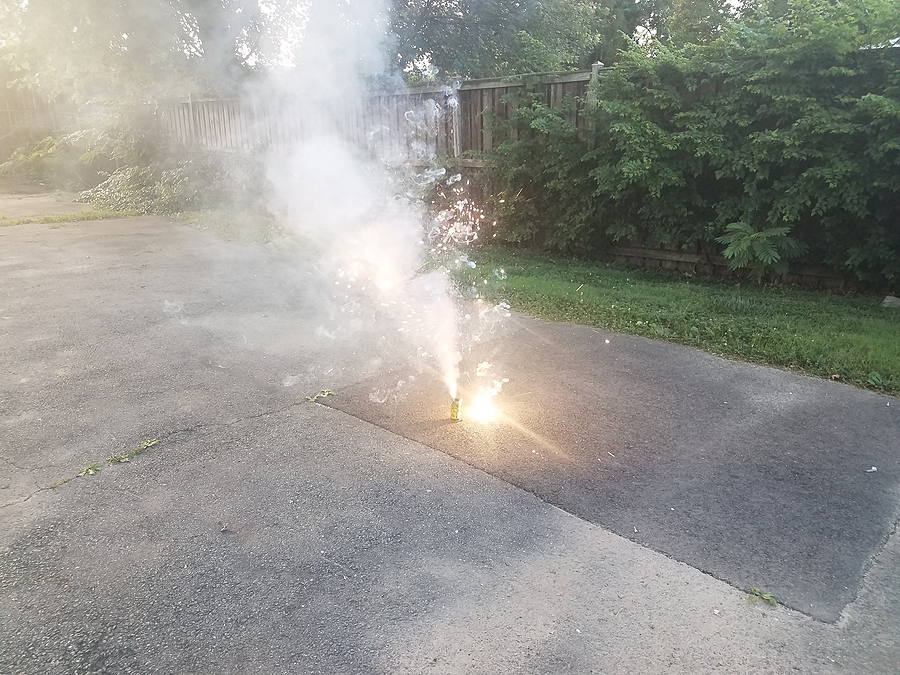
lit bright and colorful fireworks on asphalt driveway with smoke

Common Types of Firework Injuries

Firework injuries range from minor to life-altering. Knowing what you’re dealing with matters—both medically and legally.

Burns and Lacerations

Burns are the most frequently reported firework injury. They can range from first-degree surface burns to severe third-degree burns requiring skin grafts. Lacerations often occur when fireworks explode unexpectedly or shatter on impact. Both types of injuries can result in permanent scarring.

Eye Injuries

Fireworks are one of the leading causes of eye trauma in the United States. Debris, sparks, and explosive force can cause corneal abrasions, retinal damage, or complete vision loss. Eye injuries from fireworks are often permanent, which makes them among the most serious—and legally significant—outcomes.

Amputations

Defective or mishandled fireworks can cause traumatic amputations, particularly to fingers and hands. These injuries frequently involve children and bystanders who had no direct involvement in lighting the fireworks. The long-term physical, emotional, and financial toll of an amputation is substantial.

Who Is Liable for Firework Injuries in Indiana?

Determining liability after a firework injury isn’t always straightforward. Multiple parties may share responsibility depending on how the injury occurred.

Manufacturer Liability

If a firework malfunctioned due to a design defect or manufacturing error, the manufacturer may be held liable under Indiana’s product liability laws. This applies even if the firework was used correctly and according to its instructions.

Retailer Liability

Retailers who sell defective or improperly labeled fireworks may also bear responsibility. If a retailer sold fireworks to a minor or failed to provide adequate safety warnings, they could be named in a personal injury claim.

Property Owner Liability

Property owners who allow firework use on their premises have a duty to maintain reasonably safe conditions. If unsafe conditions contributed to an injury, the property owner may be held accountable under premises liability law.

Social Host Liability

If someone hosts a gathering where fireworks are used and a guest is injured, the host may face liability—particularly if they provided the fireworks, failed to supervise their use, or allowed minors to handle them.

Steps to Take After a Firework Injury

What you do immediately after a firework injury can directly impact the strength of your legal claim.

Seek Immediate Medical Attention

Your health comes first. Call 911 or go to the nearest emergency room right away. Even injuries that appear minor can worsen without prompt treatment, and medical records serve as critical evidence later.

Document the Incident

As soon as you’re able, document everything. Take photos and videos of your injuries, the location, the fireworks involved, and any visible hazards. Collect the names and contact information of witnesses.

Preserve Evidence

Keep the remains of any fireworks involved in the incident. Don’t discard packaging, labels, or instructions. If the injury involved a defective product, this physical evidence will be essential for a product liability claim.

Contact a Personal Injury Attorney

Before speaking with insurance companies or signing anything, consult a personal injury attorney. An experienced attorney can protect your rights, assess your claim, and advise you on the best course of action—including who to pursue and how.

The Legal Process for a Firework Injury Claim in Indiana

Most firework injury claims follow a similar legal process, though the timeline and complexity vary by case.

Investigation and Evidence Gathering

Your attorney will conduct a thorough investigation—reviewing medical records, gathering witness statements, consulting experts (such as product liability specialists or fire investigators), and building a comprehensive picture of how and why the injury occurred.

Negotiation with Insurance Companies

Many personal injury claims are resolved through negotiation rather than trial. Your attorney will engage with the at-fault party’s insurance company to pursue a fair settlement. Insurance adjusters often aim to minimize payouts, which is why legal representation matters.

Filing a Lawsuit

If a settlement can’t be reached, your attorney may file a lawsuit. Indiana’s civil courts will then oversee the litigation process, which includes discovery, depositions, and potentially a jury trial.

Potential Compensation

Compensation in a firework injury claim can include:

  • Medical expenses (past and future)
  • Lost wages and reduced earning capacity
  • Pain and suffering
  • Permanent disability or disfigurement
  • Emotional distress

The specific amount depends on the severity of your injuries, the strength of the evidence, and the degree of the defendant’s negligence.

Indiana Firework Laws and Regulations

Indiana is one of the more permissive states when it comes to consumer fireworks, but there are still rules in place.

Permitted Firework Types

Indiana law (IC 22-11-14) allows consumers to purchase and use “consumer fireworks” as defined by federal standards—including aerial devices, bottle rockets, and Roman candles. Certain high-powered professional fireworks remain restricted.

Age Restrictions and Supervision

Indiana law prohibits the sale of fireworks to anyone under the age of 18. Minors may only use consumer fireworks under adult supervision. Violations of age restrictions can support a negligence claim against a retailer.

Designated Discharge Times and Locations

Local ordinances across Indiana govern when and where fireworks can be discharged. Many municipalities restrict use to specific hours and prohibit discharge near structures, power lines, and public spaces. Violating these ordinances may strengthen a negligence claim.

Frequently Asked Questions

What is the statute of limitations for a firework injury claim in Indiana?

In Indiana, you generally have two years from the date of injury to file a personal injury lawsuit (IC 34-11-2-4). Missing this deadline typically bars you from pursuing compensation, so it’s important to act promptly.

Can I still file a claim if I was partially at fault?

Yes. Indiana follows a modified comparative fault rule (IC 34-51-2). You can recover compensation as long as you are less than 51% at fault for the injury. However, your compensation will be reduced in proportion to your share of fault.

How much does it cost to hire a personal injury attorney?

Most personal injury attorneys—including those at Craven Blazek—work on a contingency fee basis. This means you pay nothing upfront, and your attorney only gets paid if you win your case. There are no out-of-pocket legal fees to get started.

Protecting Your Rights After a Firework Injury

A firework injury can upend your life in an instant. Medical bills pile up, work becomes impossible, and the road to recovery feels uncertain. You don’t have to face that road alone. Indiana law gives injured victims the right to pursue compensation—whether the responsible party is a manufacturer, retailer, property owner, or negligent host.

The sooner you act, the stronger your claim will be.

If you or someone you know was injured by fireworks in Indiana, Craven Blazek Law is here to help. Our attorneys provide contingency-fee representation to Hoosiers injured in or outside of Indiana, as well as visitors injured in the state. You won’t pay anything unless we win. Schedule your free consultation today.

Call Our Law Office

Related Posts:

Understanding Your Rights After Being Injured in a Negligent Fire Accident
Can I Sue if I Was Burned By a Malfunctioning Firework?
Injured by a Defective Product? Your Next Steps Matter

Slip and Fall Accidents in Indiana: Common Locations and Safety Tips

A wet floor with no warning sign. A patch of ice at a store entrance. A broken sidewalk slab nobody bothered to fix. These may seem like minor hazards, but they’re responsible for more injuries than most people realize. According to the National Floor Safety Institute (NFSI), slip and fall accidents account for over 1 million hospital visits annually in the United States—and Indiana residents are far from immune.

Whether you’re running errands, grabbing a bite to eat, or simply walking to your car, the risk of a slip and fall can appear anywhere. Knowing where these accidents happen most often—and what to do if one happens to you—can make all the difference.

Slip and Fall Accidents Indiana
Slip and Fall Accidents in Indiana

Common Locations for Slip and Fall Incidents in Indiana

Certain properties carry a higher risk of slip and fall accidents than others. Here’s a breakdown of the most common locations.

Retail Stores and Supermarkets

Big box stores like Walmart, Menards, and Lowe’s see thousands of shoppers every day, which means there’s a constant flow of potential hazards: spilled liquids, freshly mopped floors, unsecured merchandise in aisles, and slippery entryways during Indiana winters.

Indiana law requires property owners to maintain reasonably safe conditions for visitors. When retailers fail to post warning signs, address known spills promptly, or keep entryways free of ice and snow, they may be held liable for any resulting injuries. In fact, over 30% of slip and fall incidents result in moderate to severe injuries, including broken bones and head trauma (NFSI).

Restaurants and Bars

Dining environments are particularly prone to wet surfaces. Between kitchen spills, tracked-in rainwater, and crowded restrooms, both customers and staff face real risks. When restaurants fail to monitor their floors or respond promptly to hazardous conditions, an injury becomes far more foreseeable—and far more preventable.

Workplaces and Construction Sites

Construction sites are among the most hazardous environments for slip and fall accidents. According to OSHA data, falls at construction sites cause approximately 100,000 injuries and 150 deaths every year in the U.S. Workers in Indiana face these same risks when employers cut corners on fall protection systems or fail to comply with OSHA and IOSHA regulations.

These injuries can be catastrophic—fractures, spinal cord injuries, paralysis, and worse. Workers may be entitled to pursue both workers’ compensation benefits and personal injury claims depending on the circumstances of their accident.

Public Sidewalks and Walkways

Cracked pavement, inadequate lighting, and unsalted ice are common causes of falls on public sidewalks throughout Indiana. Liability in these situations can be complex. If the sidewalk is maintained by a government entity—such as a city or county—the Indiana Tort Claims Act (ITCA) applies. Victims must file a Notice of Tort Claim within 180 days of the incident for county or municipal claims, or within 270 days for state government claims.

Missing these strict injury claim deadlines can permanently bar your right to compensation, making early legal consultation critical.

Residential Properties

Apartment buildings, rental homes, and private residences are also frequent sites of slip and fall accidents. Landlords in Indiana bear a legal duty to maintain common areas—stairwells, hallways, parking lots—in a reasonably safe condition. When broken handrails, poor stairwell lighting, or unaddressed ice accumulation causes an injury, the landlord may face liability.

Preventative Measures to Avoid Slip and Fall Injuries

Prevention is a shared responsibility. Both property owners and individuals can take meaningful steps to reduce the risk.

For Property Owners

  • Conduct regular property inspections and address hazards promptly
  • Post clear warning signs near wet floors or construction zones
  • Keep entryways clear of ice, snow, and debris during Indiana’s harsh winters
  • Ensure adequate lighting in all indoor and outdoor areas
  • Repair damaged flooring, broken handrails, and uneven pavement quickly

For Individuals

  • Wear appropriate footwear with good grip, especially in wet or icy conditions
  • Pay attention to posted warning signs and stay out of restricted areas
  • Report any hazards you notice to store management or property staff immediately
  • Walk at a controlled pace in high-traffic or unfamiliar environments

What to Do After a Slip and Fall Accident in Indiana

Taking the right steps after a slip and fall can protect both your health and your legal rights.

Seek Medical Attention

Your first priority should always be your health. Even if injuries seem minor, seek medical care immediately. Some injuries—like traumatic brain injuries or spinal damage—may not present obvious symptoms right away. Medical documentation also creates a clear link between the incident and your injuries, which is critical for any legal claim.

Document the Scene

If you’re able to do so safely, photograph or video the hazard that caused your fall. Capture multiple angles, the surrounding area, and any missing or inadequate warning signs. Note the time, date, and any environmental conditions that may have contributed to the fall.

Report the Incident

Notify the property owner, store manager, or supervisor as soon as possible. Request that a written incident report be completed and ask for a copy. If you fell down in a store, ask that any surveillance footage of the incident be preserved—this evidence can be invaluable later.

Consult with a Legal Professional

Indiana’s statute of limitations gives you two years from the date of your fall to file a claim against a private property owner. Acting quickly gives your Indiana slip and fall attorney more time to gather evidence, interview witnesses, and build the strongest possible case on your behalf.

Frequently Asked Questions About Slip and Fall Claims in Indiana

How long do I have to file a slip and fall claim in Indiana?

For falls on private property, you have two years from the date of the incident. Falls on government property carry shorter deadlines—180 days for county or municipal property and 270 days for state-owned property.

Can I still recover compensation if I was partially at fault?

Yes. Indiana follows a modified comparative fault rule. As long as you are found to be less than 51% at fault, you may still recover compensation—though your award will be reduced proportionately to your percentage of fault.

What if there was a wet floor sign, but I still fell?

A wet floor sign does not automatically eliminate a property owner’s liability. If the hazard was unreasonably dangerous or the sign was inadequate, you may still have a valid claim.

What types of damages can I recover?

Indiana slip and fall victims may be entitled to economic damages (medical expenses, lost wages, property damage) and non-economic damages (pain and suffering, loss of enjoyment of life, and permanent impairment).

Protecting Your Rights After a Slip and Fall

A slip and fall accident can happen in seconds—but its consequences can last for months or years. Whether you were injured at a grocery store, on a public sidewalk, or at a job site, Indiana premises liability law may entitle you to compensation for your losses.

The key is to act quickly. Evidence fades, deadlines approach, and without the right legal support, injured Hoosiers can find themselves without the compensation they deserve.

If you’ve been injured in a slip and fall accident in Indianapolis or anywhere in Indiana, contact Craven Blazek Law today for a free injury claim consultation. Our team works on contingency—meaning you pay nothing unless we recover a settlement or verdict for you. Call us at 317-881-2700 to get started.

Call Now

Related Posts:

Fallen from a Height in Indiana? Your Guide to Legal Recovery
Indiana Slip and Fall Claims: Your Guide
Compensation 101: What Indiana Slip and Fall Victims Should Expect

The Most Common Examples of Driver Negligence

Every year, thousands of preventable crashes claim lives and leave victims with lasting injuries. Many of these incidents share a single cause: driver negligence. When a driver fails to exercise reasonable care behind the wheel, the consequences can be devastating—not just for themselves, but for everyone sharing the road.

Driver negligence is a legal term that describes a failure to act with the level of care that a reasonably prudent person would exercise under similar circumstances. From glancing at a phone to running a red light, negligent behaviors are disturbingly common. Knowing what they are—and how they cause harm—matters, especially if you or someone you love has been injured as a result.

Negligent Driving
Negligent Driving

Common Forms of Driver Negligence

Distracted Driving: A Major Hazard

Distracted driving is one of the most pervasive and deadly forms of driver negligence on U.S. roads. According to the National Highway Traffic Safety Administration (NHTSA), distracted driving claimed 3,208 lives and injured an additional 315,167 people in 2024 alone.

The most dangerous distraction is texting. Reading or sending a text takes a driver’s eyes off the road for approximately five seconds. At 55 mph, that’s the equivalent of driving the entire length of a football field with your eyes closed. Other common distractions include eating, adjusting navigation systems, and talking to passengers—all of which significantly reduce a driver’s reaction time and situational awareness.

Impaired Driving: Alcohol and Drugs

Impaired driving remains one of the deadliest threats on American roads. In 2024, 11,904 people died in alcohol-impaired driving crashes, accounting for roughly 30% of all traffic fatalities in the U.S., according to NHTSA. That translates to one person killed every 44 minutes—a staggering, preventable toll.

Alcohol impairs judgment, slows reaction time, and reduces coordination. Drivers with a blood alcohol concentration (BAC) of .08 g/dL are four times more likely to crash than sober drivers. At a BAC of .15, that risk jumps to at least 12 times higher (NHTSA, 2024).

Drug-impaired driving follows a similar pattern of danger. Prescription medications, marijuana, and illicit drugs all affect a driver’s ability to process information and respond to hazards. Whether a driver is under the influence of alcohol or drugs, choosing to get behind the wheel in that state is a serious act of negligence with serious legal consequences.

Fatigued Driving: The Dangers of Drowsiness

Fatigued driving is often called the “invisible” threat—it leaves no physical trace after a crash, making it far harder to detect and report. A 2026 report from the Governors Highway Safety Association (GHSA) found that more than 6,300 people died in suspected drowsy driving crashes in 2023, a figure that’s 10 times higher than what is officially reported in federal statistics.

Nearly 20% of Americans admit to driving while drowsy at least once in the past month, according to the AAA Foundation for Traffic Safety. The National Safety Council reports that driving after going more than 20 hours without sleep is the equivalent of driving with a BAC of 0.08%—the legal limit in most states.

The economic cost is equally sobering. NHTSA estimates that fatigue-related crashes involving injury or death cost society $109 billion annually.

Speeding and Reckless Driving

Speed kills—and the data bears this out clearly. In 2023, speeding was a factor in 29% of all motor vehicle fatalities nationwide, resulting in 11,775 deaths, according to the National Highway Traffic Safety Administration.

Speeding reduces a driver’s ability to steer safely around curves, shortens the time available to react to sudden hazards, and extends braking distances. Combined with reckless behaviors like aggressive lane changes, tailgating, running red lights, or street racing, speeding dramatically increases the likelihood of a serious crash.

A particularly concerning pattern: in 2023, 38% of speeding drivers involved in fatal crashes had a BAC of .08% or above, highlighting how multiple forms of negligence often occur simultaneously.

Failure to Obey Traffic Laws

Traffic laws exist for one reason—to keep everyone on the road safe. When drivers ignore red lights, blow through stop signs, fail to yield the right of way, or make illegal turns, they put lives at risk. These are clear-cut examples of negligence, and they are responsible for a significant portion of intersection-related crashes each year.

Distracted or impaired drivers are especially prone to missing traffic signals and failing to follow basic road rules. But even fully sober, alert drivers sometimes make deliberate choices to disobey traffic laws—choices that can have fatal consequences.

Consequences of Driver Negligence

Legal Ramifications

Driver negligence carries significant legal weight. A negligent driver can face criminal charges, license suspension, heavy fines, and civil liability. In Indiana, victims of negligent drivers have the right to file a personal injury claim, but the state’s statute of limitations requires that lawsuits be filed within two years of the date of the injury.

Beyond criminal penalties, a negligent driver may be held financially responsible for a victim’s medical expenses, lost wages, property damage, and pain and suffering. In cases of gross negligence—such as drunk driving—courts may also award punitive damages.

Personal Impact on Victims

The physical and emotional impact of a negligence-related crash can be life-altering. Victims may face serious injuries, long recovery periods, and permanent disability. Families can be left without a breadwinner. Survivors often experience anxiety, post-traumatic stress disorder (PTSD), and lasting psychological effects that extend well beyond the physical wounds.

The financial strain compounds the emotional burden. Medical bills accumulate quickly, and the inability to work only deepens the crisis for injured victims and their families.

Seeking Justice After an Accident

If you’ve been injured due to another driver’s negligence, you have the right to pursue compensation. Building a strong personal injury case typically involves gathering evidence such as police reports, witness statements, medical records, and any available dashcam or surveillance footage.

Working with an experienced personal injury attorney can make a significant difference. An attorney can assess liability, deal with insurance companies on your behalf, and ensure your claim accurately reflects the full extent of your losses—physical, financial, and emotional.

The road to recovery is difficult enough without navigating the legal process alone.

Frequently Asked Questions About Driver Negligence

What qualifies as driver negligence in a personal injury case?

Driver negligence occurs when a driver fails to exercise reasonable care, resulting in harm to another person. Common examples include distracted driving, speeding, impaired driving, fatigued driving, and failing to obey traffic signals.

How long do I have to file a personal injury claim in Indiana?

Indiana’s statute of limitations for personal injury claims is two years from the date of the injury. Failing to file within this window typically results in losing the right to seek compensation.

Can I recover compensation if I was partly at fault for the accident?

Indiana follows a comparative fault rule. You may still recover compensation as long as you are less than 51% at fault, though your damages will be reduced in proportion to your share of responsibility.

What if the negligent driver was uninsured?

If the at-fault driver has no insurance, you may be able to seek compensation through your own uninsured motorist coverage. An attorney can help you explore your options.

Every Victim Deserves to Be Heard

Driver negligence has real, devastating consequences—and victims deserve accountability. Whether you were struck at an intersection, sideswiped on the highway, or hit while walking down the street, negligent drivers must be held responsible for the harm they cause.

If you or a loved one has been injured by a negligent driver in Indianapolis, Indiana, contact Craven Blazek Law today for a free personal injury case review. Whether you were injured as a pedestrian or in a vehicle, our team is here to help you obtain the financial justice you deserve.

Call Now

Related Posts:

Suing a Negligent Driver in Indiana: A Complete Guide
How to Prove Negligence in a Personal Injury Case
Understanding the Legal Consequences for Distracted Drivers

Your Legal Rights After a Hotel Injury in Indiana

A hotel stay should feel safe and relaxing. But a wet lobby floor, a broken stair rail, or poor lighting can turn a getaway into a serious injury. When that happens, you may have the right to seek compensation.

Premises liability law holds property owners accountable when their negligence causes harm. For hotel guests in Indiana, this protection is real—but proving a claim takes the right knowledge and the right evidence. This guide breaks down what hotels owe their guests, how to prove negligence, and what steps to take if you’re hurt.

Hotel Injury Claims
Hotel Injury Claims

What Duty of Care Do Hotels Owe Their Guests?

Under Indiana premises liability law, hotel guests are considered “invitees”—people invited onto the property for the owner’s business benefit. Invitees receive the highest level of legal protection.

That means a hotel must exercise reasonable care to keep its property safe. According to Indiana law, an owner is responsible for inspecting the premises, discovering hidden dangers, and either fixing them or warning guests. A hotel can be held liable if it knew (or should have known) about a hazard and failed to address it.

This duty extends across the entire property, including:

  • Guest rooms and bathrooms
  • Lobbies, hallways, and stairwells
  • Pools, spas, and fitness areas
  • Parking lots and walkways
  • Elevators and escalators

What Are the Most Common Hotel Injuries?

Hotel accidents happen in many ways. Some of the most frequent include:

Slip and Fall Accidents

Wet floors, loose carpeting, uneven surfaces, and poor lighting cause many guest injuries. These often occur near pools, in bathrooms, or in lobbies after cleaning. Hotels have a responsibility to promptly clean up spills and place warning signs to alert guests. Failing to maintain walkways or repair worn-out flooring can lead to preventable accidents.

Falls on Stairs

Broken handrails, missing steps, or inadequate lighting on stairwells can lead to serious falls. These accidents can result in severe injuries, including broken bones, head trauma, and spinal cord damage. Hotels must regularly inspect stairwells to ensure they are well-lit and structurally sound.

Pool and Spa Injuries

Drownings, slip-and-falls on wet decks, and chemical exposure can result from poor maintenance or a lack of safety measures. Hotels are responsible for ensuring that pool areas have proper safety equipment, clear depth markings, and securely fenced perimeters. Over-chlorination or other chemical imbalances in the water can also cause skin and eye irritation.

Inadequate Security

When a hotel fails to provide reasonable security—working locks, proper lighting, or surveillance—guests may be harmed by criminal acts that could have been prevented. This can include assaults or thefts that occur due to broken door locks or poorly monitored common areas. The hotel’s duty is to take reasonable steps to protect guests from foreseeable criminal activity on the premises.

Falling Objects and Other Hazards

Poorly secured fixtures, furniture, or items in guest rooms can cause unexpected injuries. For instance, a television that is not properly mounted or a heavy picture frame that falls from the wall can lead to serious harm. Regular inspections of room furnishings and fixtures are necessary to ensure they are safe for guest use.

How Do You Prove Negligence in a Hotel Injury Claim?

Winning a premises liability claim requires proving four legal elements:

  1. Duty of care: The hotel owed you, as an invitee, a duty to keep the property reasonably safe.
  2. Breach of duty: The hotel failed to meet that duty—for example, by ignoring a known spill.
  3. Causation: That failure directly caused your injury.
  4. Damages: You suffered actual harm, such as medical bills or lost wages.

The “Open and Obvious” Defense

Hotels often try to avoid liability by arguing the hazard was “open and obvious.” Under this rule, an owner may not be responsible if a reasonably attentive person would have seen and avoided the danger.

But this defense has limits. If the hazard wasn’t clearly visible—due to poor lighting, an obstruction, or an uneven floor that blended into its surroundings—the defense may not hold. Photos, video, and witness statements can help show the danger wasn’t as obvious as the hotel claims.

Indiana’s Comparative Fault Rule

Indiana uses a modified comparative fault system. You can still recover damages as long as you are not more than 50% responsible for the accident. However, your award is reduced by your share of fault. If a court finds you 25% responsible, your total compensation drops by 25%.

What Should You Do After a Hotel Injury?

The steps you take right after an accident can make or break your claim. Act quickly to protect your health and your case:

  1. Seek medical attention. Your health comes first, and medical records create vital documentation.
  2. Report the incident. Notify hotel management and ask for a written incident report.
  3. Document everything. Take photos and video of the hazard, the lighting, and any missing warning signs.
  4. Gather witness information. Collect names and contact details from anyone who saw what happened.
  5. Keep your records. Save medical bills, receipts, and proof of lost income.
  6. Avoid quick settlements. Don’t accept an early offer or sign anything before speaking with a hotel injury attorney.

What Damages Can You Recover?

A successful premises liability claim may allow you to recover several types of economic and non—economic damages, including:

  • Medical expenses: Emergency care, surgery, rehabilitation, and future treatment.
  • Lost wages: Income lost during recovery, plus reduced earning capacity.
  • Pain and suffering: Physical pain and emotional distress.
  • Out-of-pocket costs: Travel for treatment, medical equipment, and related expenses.

The value of your claim depends on the severity of your injuries and how they affect your daily life.

How Can a Premises Liability Lawyer Help?

Hotels and their insurers have legal teams working to limit what they pay. An experienced attorney levels the playing field.

A premises liability lawyer can investigate the accident, gather evidence, identify who is responsible, and calculate the full value of your claim. They handle negotiations with insurers, counter defenses like “open and obvious,” and take your case to court if needed. Most importantly, a lawyer lets you focus on healing while they protect your rights.

Frequently Asked Questions

How long do I have to file a hotel injury claim in Indiana?

Indiana’s statute of limitations for personal injury is generally two years from the date of the injury. Missing this deadline usually means losing your right to sue, so act promptly.

Can I still recover if I was partly at fault?

Yes. Under Indiana’s modified comparative fault rule, you can recover as long as you are not more than 50% at fault. Your compensation is reduced by your percentage of responsibility.

What if the hotel says the hazard was obvious?

The “open and obvious” defense isn’t automatic. If poor lighting or an obstruction made the danger hard to see, you may still have a valid claim. Strong evidence is key.

How much does it cost to hire a premises liability lawyer?

Many personal injury attorneys work on a contingency fee basis, meaning you pay nothing upfront and only owe a fee if they recover compensation for you.

Protect Your Rights After a Hotel Injury

A hotel injury can leave you with mounting bills, lost income, and lasting pain. Indiana law gives guests strong protections—but proving negligence and standing up to insurers takes skill and preparation. Knowing your rights, documenting the scene, and acting before the deadline put you in the strongest position to recover what you’re owed.

Injured at a hotel in Indianapolis? Don’t face the insurance companies alone. Contact us today for a free consultation with an experienced premises liability lawyer. We’ll review your case, explain your options, and fight for the compensation you deserve.

Call Our Firm Now

Related Post: Can I Sue a Spring Break Hotel After Being Injured on their Property?

The Timeline for Indiana Car Accident Settlements

A sudden car crash happens in seconds, but the physical and financial aftermath can last for years. Dealing with medical bills, lost wages, and vehicle repairs while trying to heal is deeply overwhelming. Many injured drivers find themselves facing a confusing legal system while insurance adjusters push for a quick, inexpensive resolution.

If you suffered injuries in a collision, securing fair compensation is crucial for your recovery. You deserve to focus on healing, rather than haggling with insurance companies over the true cost of your medical care.

This post breaks down exactly how injury claims work in the Hoosier State. You will learn the necessary steps for filing a claim, how long cases typically take to resolve, and the specific factors that influence your final compensation amount.

Car Accident Settlement Timeline in Indiana

Key Steps in the Indiana Car Accident Claim Process

Taking the right actions immediately after a crash significantly impacts the success of your future claim. The process begins the moment the collision occurs.

Seek Medical Attention Immediately

Your health is the absolute highest priority. Always seek a medical evaluation immediately following a crash, even if you feel fine. Adrenaline often masks the pain of soft tissue damage or internal injuries. From a legal standpoint, delaying treatment can give the insurance company a reason to question the severity of your injuries or completely deny your claim.

Report the Collision

Indiana law requires accidents resulting in injury, death, or more than $2,500 in property damage to be reported to law enforcement as soon as possible. Calling 911 at the scene is the best way to handle this. The responding police officer will document the scene, interview witnesses, and create an official report. This document serves as a vital piece of evidence for your claim.

Talk to an Accident Lawyer

Once you have sought medical attention and reported the crash, it is important to consult with an experienced Indiana car accident lawyer. They can help guide you through the legal process and ensure that your rights are protected. A skilled auto collision attorney will also be able to negotiate with insurance companies on your behalf and fight for the compensation you deserve.

File an Insurance Claim

Indiana operates under an at-fault insurance system. This means the driver who caused the accident is financially responsible for the resulting damages. You will need to file a claim with the at-fault driver’s insurance company. Provide the facts of the crash, but avoid giving a recorded statement until you have secured legal representation.

What to Expect During the Settlement Timeline

Each auto accident case is unique. Cases with minor injuries and clear fault can resolve in just a few months. However, more complicated cases involving severe injuries or disputed liability can take well over a year to settle.

Reaching Maximum Medical Improvement

Before negotiating a settlement, your doctor must determine that you have reached Maximum Medical Improvement (MMI). This means your condition has stabilized, and you are not expected to recover any further. Waiting for MMI ensures that all your current and future medical expenses are accurately calculated. If you settle before reaching MMI, you cannot ask the insurance company for more money later if you require additional surgeries or physical therapy.

The Demand Letter and Negotiation

Once you reach MMI, your legal team will send a formal demand letter to the insurance company. This outlines your injuries, the other driver’s fault, and the total financial compensation you are requesting. The insurance adjuster will typically respond with a lower counteroffer. A period of negotiation follows, where your attorney will fight to maximize your payout.

The Two-Year Statute of Limitations

Time is strictly limited. Indiana law enforces a two-year statute of limitations for personal injury and property damage lawsuits. The clock starts ticking on the date of the accident. If a fair settlement cannot be reached through negotiation, you must file a lawsuit within this two-year window. Failing to do so will permanently bar you from seeking compensation.

Factors Influencing Your Settlement Amount

There is no universal formula to calculate a car accident payout. The value of your case depends on several highly specific variables.

Severity of Injuries and Damages

The most significant factor in your settlement is the total cost of your damages. This includes your past and future medical bills, lost wages, and diminished earning capacity. You can also claim non-economic damages, such as physical pain and emotional suffering. Severe injuries that require lifelong care will naturally result in higher settlement demands.

Indiana’s Modified Comparative Fault Law

Very rarely is one driver entirely responsible for a crash. If you share some of the blame, Indiana’s modified comparative fault law comes into play. Under this rule, your compensation is reduced by your percentage of fault. For example, if a jury awards you $100,000 but finds you 20% responsible for the crash, you will receive $80,000.

Crucially, Indiana follows a 51% bar rule. If you are found to be 51% or more at fault for the accident, you are legally prohibited from recovering any damages at all.

Insurance Policy Limits

Your compensation is often bound by the at-fault driver’s insurance policy limits. Indiana requires drivers to carry a minimum of $25,000 for bodily injury per person and $50,000 per accident. If your medical bills exceed these minimums, recovering the full amount becomes much more difficult, though you may be able to tap into your own underinsured motorist coverage.

How a Personal Injury Lawyer Helps Your Case

Insurance companies are profit-driven businesses. They employ teams of adjusters and attorneys whose primary goal is to minimize your payout. Having a skilled legal advocate on your side levels the playing field.

A dedicated attorney will thoroughly investigate the crash, gather police reports, and interview witnesses. They will handle all communication with the insurance company to ensure you do not accidentally jeopardize your claim. Most importantly, they know how to accurately calculate the full lifetime cost of your injuries, ensuring you do not accept an offer that leaves you in debt.

Common Challenges in Resolving Your Claim

The path to a fair settlement is rarely entirely smooth. Insurance adjusters frequently use tactics designed to protect their bottom line.

They may argue that your injuries were pre-existing or that you received unnecessary medical treatments. They might dispute the police report, pointing fingers at you to leverage the comparative fault law. In many cases, they will drag their feet, hoping your mounting financial pressure will force you to accept a lowball offer. An experienced personal injury attorney anticipates these defense strategies and builds a robust case to counter them.

Frequently Asked Questions About Indiana Claims

Do I have to go to court to get a settlement?

No. The vast majority of auto accident claims settle outside of court. However, if the insurance company refuses to offer a fair amount, filing a lawsuit and taking the case to trial may be necessary to secure the compensation you deserve.

Should I accept the first settlement offer from the insurance company?

You should virtually never accept the initial offer. Insurance companies often start with a very low number, hoping you will take the money before realizing the full extent of your damages. Once you accept an offer and sign a release, your case is permanently closed.

How much does it cost to hire an attorney?

Most personal injury attorneys in Indiana work on a contingency fee basis. This means you pay nothing upfront for legal representation. Your lawyer only gets paid if they successfully recover a settlement or jury award for you.

Your Path to Fair Compensation

Recovering from a severe collision takes time, energy, and resources. You should not have to face aggressive insurance adjusters and complex legal statutes alone while trying to rebuild your life. By acting quickly, seeking proper medical care, and enlisting professional legal help, you can protect your rights and secure the financial support necessary for your recovery.

We are here to help you fight for the justice you deserve. We offer a free personal injury consultation in Indianapolis, Indiana. Act now before time runs out on your claim. Contact us today to discuss your case and take the first step toward a fair recovery.

Call Now

Related Post: Typical Personal Injury Case Timeline

How Indiana’s Modified Comparative Fault Rule Impacts Claims

Dealing with a personal injury is a stressful and overwhelming experience. You might be facing mounting medical bills, lost wages from missing work, and significant physical pain. When another person causes your injury, you naturally expect them to cover these costs. However, personal injury claims are rarely completely one-sided.

In many accidents, multiple parties share the blame. You might wonder if you can still recover compensation if you made a minor mistake leading up to the incident. Indiana law accounts for these situations through a specific legal doctrine that assigns responsibility proportionately.

Knowing how the state handles shared liability is crucial for protecting your financial future. If you plan to pursue a personal injury claim, you need to know exactly how the assignment of blame will affect your final settlement or verdict.

Modified Comparative Fault Rule in Indiana

What is Comparative Fault?

When an accident happens, insurance companies and courts need a system to determine who pays for the resulting damages. Comparative fault is a legal framework used to divide financial responsibility based on each party’s degree of negligence.

How Does Comparative Fault Work?

Instead of taking an all-or-nothing approach to liability, comparative fault allows the court or an insurance adjuster to assign a percentage of blame to everyone involved. For example, one driver might be deemed 80% responsible for a crash, while the other driver is 20% responsible. The financial compensation awarded to the injured parties is then adjusted based on these exact percentages.

The Difference Between Pure and Modified Comparative Fault

States generally use one of two comparative fault models: pure or modified.

  • In a pure comparative fault system, an injured person can recover damages even if they are 99% at fault for the accident. Their compensation is simply reduced by their 99% share of the blame.
  • A modified comparative fault system places a strict limit on how much blame an injured person can share before they lose their right to compensation entirely. If your level of responsibility crosses a specific threshold, the law bars you from recovering any money.

Indiana’s Modified Comparative Fault Law Explained

Indiana follows the modified comparative negligence system. This legal framework ensures that people who are mostly responsible for their own injuries cannot force someone else to pay for their damages.

The 51% Bar Rule in Indiana

Under Indiana Code section 34-51-2, the state applies a “51% bar rule.” You can successfully recover financial damages for your injuries as long as you are 50% or less at fault for the accident. If a judge or jury determines you are 51% or more at fault, you are legally barred from recovering any compensation.

There is one major exception to this rule. If your claim is against an Indiana government agency or employee, the state uses a “pure contributory negligence” standard. In these specific cases, if you are even 1% at fault for the accident, you cannot recover any damages from the government entity.

How Your Percentage of Fault Affects Compensation

If your share of the blame is 50% or less, your final financial award decreases by your percentage of fault. The court calculates your total damages first, then deducts your share of the responsibility. This ensures that the at-fault party only pays for the portion of the accident they actually caused.

Examples of Modified Comparative Fault in Action

Consider a scenario where you are involved in a car crash. The other driver ran a red light, but you were driving slightly over the speed limit. The court determines your total damages equal $100,000.

Because you were speeding, the court assigns you 10% of the fault, while the other driver is 90% at fault. Your $100,000 award is reduced by 10% ($10,000). You will walk away with $90,000 in compensation.

However, if you were found to be 55% at fault for the collision, the 51% bar rule applies. You would receive absolutely nothing, and you would be responsible for your own medical bills and property damage.

Types of Damages Recoverable in Indiana Personal Injury Claims

If you successfully prove that the other party bears the majority of the fault, you can pursue compensation for the hardships you have endured. Indiana law categorizes these damages into two main groups.

Economic Damages

Economic damages compensate you for the objective, out-of-pocket financial losses related to your injury. These are highly calculable and easily proven with receipts and invoices. Common economic damages include:

  • Past and future medical expenses
  • Cost of rehabilitation and physical therapy
  • Lost wages from time missed at work
  • Loss of future earning capacity
  • Property damage repair or replacement costs

Non-Economic Damages

Non-economic damages cover the subjective, intangible losses that drastically affect your quality of life. Because they do not come with a standard price tag, they are more complex to calculate. These damages include:

  • Physical pain and suffering
  • Emotional distress and mental anguish
  • Loss of enjoyment of life
  • Disfigurement or permanent scarring
  • Loss of companionship

Unlike some states, Indiana does not place a cap on non-economic damages in standard personal injury claims, unless the claim involves a government entity.

The Role of Evidence in Proving Fault

Because your percentage of fault directly dictates your financial recovery, proving liability is the most important part of your claim. Strong evidence protects you from insurance companies attempting to unfairly shift the blame onto your shoulders.

Gathering Evidence After an Accident

The strength of your claim heavily depends on the evidence collected at the scene. Photographs of property damage, video footage of the surrounding area, and pictures of your physical injuries provide objective proof of what occurred. Skid marks, road conditions, and debris also offer vital clues about how the incident unfolded.

Witness Testimony and Expert Opinions

Eyewitnesses who saw the accident happen can corroborate your version of events and dispute the other party’s claims. In complex cases, personal injury lawyers frequently rely on expert witnesses. Accident reconstruction specialists can analyze the physical evidence to scientifically prove exactly how the accident occurred and who was truly responsible.

Police Reports and Medical Records

Official documentation acts as the foundation of your injury claim. A police report provides a neutral, third-party account of the incident, often noting traffic violations or issued citations. Your medical records serve as definitive proof of the severity of your injuries, linking your physical harm directly to the accident.

Common Scenarios Under Indiana’s Modified Comparative Fault Rule

The 51% bar rule applies to almost all personal injury claims in Indiana. Here is how shared fault impacts some of the most common types of accidents.

Car Accidents

Auto collisions frequently involve shared blame. One driver might fail to yield the right of way, while the other driver is distracted by their phone. The insurance companies will carefully investigate the actions of both drivers to accurately assign a fault percentage.

Slip and Fall Cases

Property owners must keep their premises reasonably safe for visitors. If you slip on a wet floor at a grocery store, the store is likely liable. However, the store’s defense team might argue that you were texting while walking or ignored a clearly visible “Wet Floor” sign. If the court agrees, your compensation will decrease.

Other Personal Injury Claims

This rule also applies to incidents like dog bites or pedestrian accidents. If you provoked a dog before it bit you, or if you crossed the street outside of a designated crosswalk, a jury might hold you partially accountable for the resulting injuries.

What to Do if You’re Involved in an Accident in Indiana

Taking the right steps immediately after an accident protects your health and preserves your legal right to fair compensation.

Seek Medical Attention

Your health is the top priority. Visit an emergency room or an urgent care clinic immediately, even if your injuries feel minor. Prompt medical care ensures your injuries are properly treated and creates a crucial paper trail documenting your physical trauma.

Report the Accident

Call 911 to report the incident to local law enforcement. For car accidents, this results in an official crash report. If you are injured in a store or on private property, notify the manager or property owner so they can file an internal incident report.

Document Everything

Write down exactly what happened while the details are still fresh in your mind. Keep a dedicated folder for all accident-related documents, including medical bills, repair estimates, insurance letters, and pay stubs showing your lost wages.

Consult with an Indiana Personal Injury Attorney

Insurance adjusters are skilled negotiators trained to protect their company’s profit margins. They will actively look for ways to increase your percentage of fault. An experienced accident attorney inIndiana will shield you from these tactics, gather compelling evidence, and fight to maximize your compensation.

FAQ Section

Can I still recover damages if I am partially at fault?

Yes, under Indiana law, you can still recover damages as long as you are 50% or less at fault for the accident causing your injuries.

What if I am 51% or more at fault?

If a judge or jury determines that your share of the blame is 51% or higher, the modified comparative fault rule bars you from recovering any financial compensation from the other parties.

How does this rule affect settlement negotiations?

Insurance companies use the comparative fault rule as leverage during negotiations. They will try to assign you a higher percentage of fault to justify offering a lower settlement amount.

Is the modified comparative fault rule the same in every state?

No. Different states use different systems. Some use pure comparative fault, some use contributory negligence, and others use a 50% bar rule instead of a 51% bar rule.

Taking the Next Steps in Your Claim

A personal injury claim requires careful evidence gathering and strong legal advocacy. Do not let an insurance company unfairly blame you for an accident you did not cause.

Schedule a free personal injury claim consultation in Indianapolis today. Our experienced lawyers work on a contingency fee basis, meaning you do not pay any legal fees unless we successfully recover a verdict or settlement for you. Contact us now to protect your rights and fight for the compensation you deserve.

Call Us Directly

Related Post: Navigating the Comparative Fault Rule in Indiana: A Guide for Injured Claimants