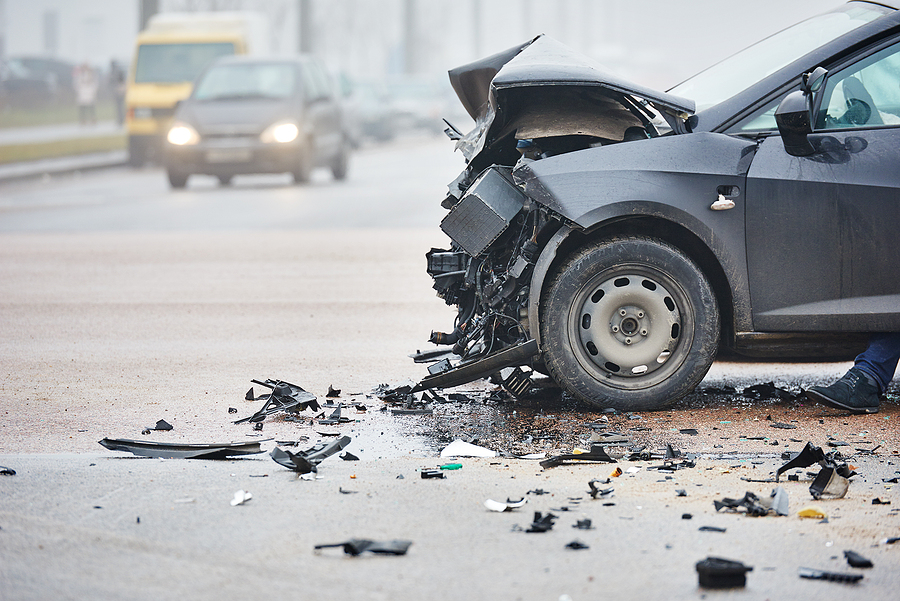
Navigating Indiana Motorbike Injury Claims: Why You Need an Experienced Attorney

There is nothing quite like the freedom of riding a motorcycle across the Hoosier State. From the winding hills of Brown County to the bustling streets of downtown Indianapolis, riding offers a unique connection to the road. However, that freedom comes with vulnerability. When an accident happens, the physical and emotional toll can be overwhelming, leaving you with mounting medical bills and a long road to recovery.

Beyond the physical pain, the legal aftermath of a motorbike accident is often complex and confusing. Insurance companies may try to minimize your payout, and navigating Indiana’s specific traffic laws without guidance can jeopardize your ability to recover damages.

Understanding your rights is the first step toward protecting your future, but having a knowledgeable ally by your side can make all the difference. This guide explores how legal experts help victims navigate the intricacies of motorcycle injury claims in Indiana.

Call 317-881-2700 to Speak With a Motorbike Injury Lawyer in Indiana

The Role of a Legal Expert in a Motorbike Injury Claim

After a crash, you may feel pressured to settle quickly just to put the ordeal behind you. However, a legal expert serves as your advocate, ensuring you do not accept an offer that falls short of covering your long-term needs.

Your attorney acts as a buffer between you and the insurance companies. They handle the paperwork, phone calls, and legal filings, allowing you to focus entirely on healing. More importantly, they bring a strategic mindset to your case. They understand how to quantify non-economic damages, such as pain and suffering, which are often overlooked or undervalued by victims handling claims on their own.

Assessing Your Claim: Key Indiana Considerations

Indiana personal injury law has specific statutes that directly impact how a motorbike accident claim is handled. A legal expert will evaluate your case based on these critical factors.

Understanding Comparative Fault

Indiana operates under a “modified comparative fault” system (Indiana Code § 34-51-2-6). This is perhaps the most critical concept for riders to understand. Under this rule, you can only recover damages if you are 50% or less at fault for the accident.

If the jury finds that you were 51% or more responsible for the crash, you are barred from recovering any compensation. Furthermore, if you are found to be partially at fault (but 50% or less), your compensation will be reduced by your percentage of fault. For example, if you have $100,000 in damages but are found 20% at fault, you would only receive $80,000. Insurance adjusters are well-versed in this law and often try to shift blame onto the motorcyclist to hit that 51% threshold.

The Statute of Limitations

Time is not on your side in legal matters. In Indiana, the statute of limitations for filing a personal injury lawsuit is generally two years from the date of the accident (Indiana Code § 34-11-2-4). If you fail to file a claim within this window, you likely lose your right to seek compensation forever. A personal injury law firm ensures all deadlines are met, preserving your right to justice.

Helmet Laws and Liability

Indiana law requires anyone under the age of 18 or anyone holding a learner’s permit to wear a helmet and protective eyewear. For adults over 18, helmets are optional. However, defense attorneys may still argue that the failure to wear a helmet contributed to the severity of your injuries, potentially complicating settlement negotiations. An experienced personal injury lawyer knows how to counter these arguments and keep the focus on the negligence of the other driver, where it belongs.

Request a Free Case Review in Indianapolis Today

Evidence Gathering: Documenting a Strong Case

A successful claim relies on strong evidence. While you recover, your legal team goes to work “reconstructing” the accident.

Police Reports and Citations

In Indiana, you are required to report an accident immediately if it results in injury, death, or entrapment (Indiana Code § 9-26-1-1.1). The resulting police report is a foundational piece of evidence. It often contains the responding officer’s initial determination of fault and notes on any citations issued to the other driver.

Medical Documentation

Proving the extent of your injuries is vital. Your motorbike accident attorney will gather comprehensive medical records, from emergency room admission to physical therapy notes. They may also consult with medical experts to project future medical costs, ensuring your settlement covers care you might need years down the road.

Crash Scene Reconstruction

For complex cases, attorneys can employ accident reconstruction specialists. These experts analyze skid marks, vehicle damage, and road conditions to scientifically determine how the collision occurred, providing a factual counter-narrative to the insurance company’s version of events.

Negotiating with Insurance Companies

Insurance companies are businesses first. Their goal is to protect their bottom line, which often means devaluing claims. They might offer a quick settlement effectively “lowballing” you before you fully understand the extent of your injuries.

Legal experts understand the tactics insurers use. They know that Indiana requires drivers to carry minimum liability insurance of $25,000 for bodily injury per person and $50,000 per accident. However, in severe motorbike accidents, these limits are often insufficient. A skilled lawyer will look for other avenues of compensation, such as underinsured motorist coverage or umbrella policies, to ensure you are fully compensated.

When to Consider Litigation

Most personal injury cases are resolved through settlements outside of court. However, if the insurance company refuses to offer a fair amount or unjustly denies liability, litigation becomes necessary.

Filing a lawsuit shows the defense that you are serious. During the discovery phase of litigation, your attorney can demand evidence from the other party that might otherwise remain hidden. While a trial can be lengthy, having a legal expert prepared to fight for you in an Indiana courtroom often motivates insurers to offer a fairer settlement to avoid the risk of a trial verdict.

Choosing the Right Motorbike Accident Attorney

Not all personal injury lawyers are equipped to handle motorbike accidents. The dynamics of a motorcycle crash differ from a standard car accident. Riders face biases and unique risks that generalists might not appreciate.

When selecting a motorbike accident attorney, look for someone with specific experience in motorcycle litigation in Indiana. They should be familiar with local courts, judges, and the specific tactics insurance companies use against riders in the state. Ask prospective attorneys about their track record with cases involving comparative fault arguments and catastrophic injuries.

MOVING FORWARD

Recovering from a motorbike accident is a physical and emotional marathon. Attempting to learn the nuances of Indiana law while managing doctor’s appointments and rehabilitation is a burden no one should have to carry alone.

By partnering with an experienced personal injury attorney, you level the playing field. You gain a knowledgeable advocate who understands the “51% bar,” knows how to gather compelling evidence, and isn’t afraid to stand up to aggressive insurance adjusters. This partnership offers you the best chance to secure the compensation you need to rebuild your life and get back on the road.

If you or a loved one has been injured in a motorbike accident, do not leave your future to chance. Contact our team in Indianapolis today to Schedule a Free Case Evaluation. Let us handle the legal heavy lifting so you can focus on what matters most—your recovery.

Call Us Directly

Related Post: Legal Advice After a Motorcycle Accident: What to Know

What to Do If a Defective Airbag Injures You

You get behind the wheel, click your seatbelt, and trust that your vehicle is designed to protect you. For decades, airbags have been hailed as one of the most significant safety innovations in automotive history, credited with saving tens of thousands of lives. But what happens when the very device meant to save you becomes the source of danger?

It is a terrifying thought, yet for thousands of drivers, it has been a painful reality. The massive recall of Takata airbags—the largest in U.S. history involving approximately 67 million inflators—shed light on a catastrophic defect that turned safety devices into ticking time bombs. When an airbag malfunctions, the consequences can be devastating, resulting in severe injuries or even death.

If you or a loved one has been injured by a defective airbag, you are likely feeling overwhelmed, confused, and betrayed by the manufacturer you trusted. You need to know that you are not alone, and you have rights. This guide explores the nature of these defects, the injuries they cause, and the legal pathways available to help you secure the compensation you deserve.

Call 317-881-2700 to Speak With an Airbag Injury Lawyer in Indianapolis Indian
Call 317-881-2700 to Speak With an Airbag Injury Lawyer in Indianapolis Indiana

Understanding Airbag Defects: Types and Causes

Airbags are complex systems that rely on sensors, electrical circuits, and chemical propellants to deploy in a fraction of a second. When any part of this system fails, the results can be catastrophic. While there are various ways an airbag can be defective—such as failing to deploy during a crash or deploying when there is no crash—the most notorious defects involve the inflator mechanism.

The Science Behind the Failure

In the case of the widespread Takata recalls, the root cause was the chemical propellant used to inflate the airbag: ammonium nitrate. According to the National Highway Traffic Safety Administration (NHTSA), this chemical can degrade after long-term exposure to high heat and humidity.

When the propellant breaks down, it burns too quickly during deployment. This creates excessive pressure inside the metal inflator canister, causing it to explode. Instead of a controlled inflation that cushions the driver, the metal canister shatters, sending hot metal shrapnel flying into the vehicle cabin.

The Scope of the Danger

The scale of this issue is massive. As of recent NHTSA reports, defective Takata airbags have been linked to at least 28 deaths and over 400 alleged injuries in the United States alone. These defects affect vehicles from nearly every major manufacturer, including Honda, Ford, Toyota, and BMW. Understanding the mechanics of these failures is the first step in recognizing if your injury was caused by a manufacturing defect.

Common Injuries from Defective Airbags: What to Look For

Airbags deploy at speeds of up to 200 miles per hour. Even a properly functioning airbag can cause minor friction burns or bruising. However, a defective airbag causes injuries that are distinctly different and far more severe.

If an inflator ruptures, it essentially acts like a grenade. The metal shards projected by the explosion can cause traumatic injuries that often resemble gunshot or stab wounds. Common injuries associated with defective airbags include:

  • Lacerations and Puncture Wounds: Sharp metal fragments can tear through skin and muscle, often affecting the face, neck, and chest areas.
  • Eye Injuries and Blindness: Because the airbag is positioned directly in front of the driver or passenger, the eyes are particularly vulnerable to flying debris and chemical burns.
  • Facial Fractures: The excessive force of an exploding airbag can shatter bones in the jaw, nose, and cheek.
  • Vocal Cord and Throat Damage: Impact to the neck area can cause lasting damage to the larynx and trachea.
  • Severe Burns: The explosion can release high-temperature gases and chemicals that cause chemical or thermal burns to the hands and face.

If you sustained puncture wounds or shrapnel injuries after an airbag deployment, it is highly likely that the device malfunctioned.

Get a Free Case Review in Indianapolis

Legal Options for Victims: Lawsuits and Compensation

When a manufacturer sells a vehicle, they have a legal duty to ensure it is safe for use. If they fail in this duty, victims have the right to seek justice through product liability laws.

Theories of Liability

In a lawsuit regarding a defective airbag, your attorney will typically argue one of three main points:

  1. Strict Liability: The product was inherently dangerous when it left the manufacturer, regardless of negligence.
  2. Negligence: The manufacturer knew or should have known about the defect and failed to warn consumers or fix the issue (a common argument in the Takata cases).
  3. Breach of Warranty: The vehicle failed to live up to the safety guarantees made by the manufacturer.

Indiana Statute of Limitations

Time is of the essence when filing a claim. Laws regarding how long you have to file a lawsuit vary by state. In Indiana, the time frame is governed by specific statutes that you must strictly adhere to.

Under Indiana Code § 34-11-2-4, a personal injury action generally must be commenced within two years after the cause of action accrues (usually the date of the accident).

Furthermore, Indiana has specific rules for product liability. Indiana Code § 34-20-3-1 reinforces that product liability actions must be commenced within two years after the cause of action accrues. However, there is also a “statute of repose.” Generally, a product liability action must be commenced within ten years after the delivery of the product to the initial user.

There are exceptions to these rules, particularly if the injury occurs near the end of that ten-year period, but navigating these timelines can be incredibly complex. Missing a deadline can result in your case being dismissed entirely, which is why consulting with legal counsel immediately is vital.

Steps to Take if You’ve Been Injured

If you suspect a defective airbag caused your injuries, the actions you take immediately following the accident can significantly impact your legal case.

  1. Seek Medical Attention Immediately: Your health is the priority. Detailed medical records will also serve as critical evidence linking your injuries to the airbag rather than the crash impact itself.
  2. Preserve the Vehicle: This is the most crucial step. Do not let the insurance company total the car or sell it for scrap before your attorney can inspect it. The vehicle—and specifically the airbag system—is the primary evidence.
  3. Hire an Attorney: Experienced personal injury attorneys can help gather evidence and handle communication with insurance companies on your behalf. They can also negotiate a fair settlement or take your case to court if necessary.
  4. Document Everything: Take photos and videos of your injuries, the interior of the vehicle, and specifically the deployed airbag. Look for blood splatter on the airbag cloth or metal shards in the cabin.
  5. Do Not Speak to the Manufacturer: You may be contacted by representatives from the car company offering a quick settlement. Do not sign anything or give a recorded statement without a defective product lawyer present.
  6. Check Your VIN: Visit the NHTSA.gov website and use their Recall Look-up Tool to see if your vehicle was part of a recall campaign.

Choosing the Right Product Liability Attorney

Not every personal injury lawyer is equipped to handle a defective product case. These lawsuits involve battling multinational automotive corporations with deep pockets and aggressive legal teams.

You need an attorney who understands the engineering behind airbag failures and the nuances of product liability law. Look for a firm with a track record of successful litigation. They should have access to expert witnesses—engineers, accident re-constructionists, and medical professionals—who can testify that your injuries were caused by the defect, not the accident itself.

The Future of Airbag Safety: Regulations and Innovations

The Takata crisis forced a reckoning in the automotive industry. Today, regulators and manufacturers are under immense pressure to prioritize safety over cost-cutting.

NHTSA has implemented stricter oversight on recall completion rates, pushing manufacturers to track down every affected vehicle. Innovations in airbag technology are also moving away from volatile chemical propellants toward stored gas or hybrid inflators that are chemically stable and less prone to environmental degradation. While these advancements protect future drivers, they cannot undo the harm caused by past negligence.

PROTECTING YOURSELF AND SEEKING JUSTICE

Airbags are supposed to be a shield, not a weapon. When that trust is broken, the physical and emotional toll can be overwhelming. However, holding manufacturers accountable does more than just secure compensation for your medical bills and pain; it forces the industry to adhere to higher safety standards, potentially saving others from suffering the same fate.

If you live in Indiana and believe a defective airbag caused your injuries, do not wait to seek help. The statutes of limitations are strict, and the evidence needs to be preserved immediately.

Don’t let a manufacturer’s negligence dictate your future. If you need clarity on your rights and want to know if you have a valid claim, reach out to us today. Schedule a free, no-obligation case review with a seasoned personal injury lawyer in Indianapolis who understands the complexities of product liability law. Let us fight for the justice you deserve.

Call Our Firm Now

Related Post: Can I Sue if the Airbags Did Not Deploy in My Car Accident?

Indiana Truck Accident Laws: Protecting Your Rights on the Road

Thousands of commercial trucks traverse Indiana’s highways daily, from the bustling corridors of I-65 and I-70 to rural state roads. While these vehicles are essential for the economy, their sheer size and weight make them incredibly dangerous in the event of a collision. When a passenger vehicle and a semi-truck collide, the results are often catastrophic, leaving victims with severe injuries, mounting medical bills, and a confusing legal landscape to navigate.

Recovering from such a traumatic event is difficult enough without the added stress of legal uncertainty. Unlike a standard car crash, accidents involving commercial trucks trigger a complex web of state and federal regulations. Evidence disappears quickly, trucking companies deploy rapid response teams to limit their liability, and insurance policies often involve millions of dollars, raising the stakes significantly for everyone involved.

Understanding your rights under Indiana law is the first step toward securing the compensation you need to rebuild your life. Whether you are dealing with a distracted driver, a fatigued operator, or a trucking company that cut corners on maintenance, specific statutes protect you. This guide explores the essential legal frameworks governing truck accidents in the Hoosier State and outlines the critical steps necessary to protect your future.

Call 317-881-2700 to Speak With an Indiana Truck Accident Lawyer

Understanding Indiana Truck Accident Laws

Truck accident claims in Indiana are governed by a combination of state negligence laws and federal safety regulations. Understanding how these rules interact is vital for establishing who is at fault and proving your right to compensation.

Negligence and the “Modified Comparative Fault” Rule

Indiana operates under a modified comparative fault system (Indiana Code § 34-51-2). This rule fundamentally changes how damages are awarded compared to other states. Under this system, you can recover compensation as long as you are not more than 50% at fault for the accident.

If a jury determines you are 51% or more responsible for the crash, you are barred from recovering any damages. Furthermore, if you are found to be partially at fault (but 50% or less), your compensation is reduced by your percentage of fault. For example, if your damages total $100,000 but you are found 20% at fault, you would receive $80,000.

Federal Regulations and “Negligence Per Se”

While state law determines liability, federal rules often set the standard of care. The Federal Motor Carrier Safety Administration (FMCSA) enforces strict rules (49 CFR Parts 300-399) that truck drivers and companies must follow. Violating these rules can sometimes constitute “negligence per se,” meaning the violation itself is proof of negligence.

Common regulations include:

  • Hours of Service (HOS): To prevent fatigue, drivers are generally limited to driving 11 hours within a 14-hour window after 10 consecutive hours off duty.
  • Maintenance and Inspection: Trucks must undergo rigorous maintenance and pre-trip inspections. Failure to maintain brakes, tires, or lights is a frequent cause of liability.
  • Weight Limits: Overloaded trucks are harder to stop and more prone to rollovers.

Statute of Limitations

Time is a critical factor in any legal claim. In Indiana, the statute of limitations for personal injury claims is generally two years from the date of the accident (Indiana Code § 34-11-2-4). If you fail to file a lawsuit within this window, you will likely lose your right to seek compensation forever. Note that claims against government entities (like if a city-owned truck hit you) often have much shorter notice deadlines, sometimes as short as 180 days.

Get Legal Help With Your Truck Accident Claim Now

Determining Liability in Truck Accidents

In a typical car wreck, you usually sue the other driver. In a truck accident, the list of potentially liable parties is much longer. Indiana law recognizes the doctrine of respondeat superior, which often holds an employer liable for the negligent acts of an employee performed within the scope of their employment.

Potential defendants often include:

  • The Truck Driver: For errors like speeding, distracted driving, or driving under the influence.
  • The Trucking Company: For negligent hiring practices (like hiring a driver with a suspended license), failing to train drivers, or pushing drivers to violate hours-of-service rules.
  • Cargo Loaders: If shifting cargo caused the truck to jackknife or rollover, the company responsible for loading the trailer might be liable.
  • Vehicle Manufacturers of Repair Facility: If a defective part, such as a blown tire or failing brakes, caused the crash.

Steps to Take After a Truck Accident

The moments immediately following a collision are chaotic, but the actions you take can significantly impact your legal case.

  1. Stop and Remain at the Scene: Indiana Code § 9-26-1-1.1 requires drivers involved in an accident resulting in injury, death, or entrapment to stop immediately, provide reasonable assistance, and notify law enforcement.
  2. Seek Medical Attention: Your health is the priority. Even if you feel fairly fine, adrenaline can mask injuries. A medical record linking your injuries to the crash is essential evidence.
  3. Gather Evidence: If you are physically able, take photos or videos of the vehicles, skid marks, road conditions, and any visible injuries. Collect names and contact info from witnesses.
  4. Report the Accident: Ensure a police report is filed. You can obtain a copy of this report later (typically via the “BuyCrash” system mentioned by the Indiana State Police) as it serves as an unbiased account of the incident.
  5. Contact an Attorney Immediately: Immediate requests to preserve evidence are vital in these cases.  For example, if a semi-truck is hauling a heavy load and some of the load falls off on the highway and strikes a vehicle, it is vital to inspect how the load was “secured” and by who prior to the remaining cargo being unloaded, which usually happens quite quickly after the semi-truck and trailer are towed back to the owner’s property or to a tow yard. The evidence could show the shipper was negligent in how they secured the load prior to the truck driver picking up the load. Contact Craven Blazek Law to book a free case review as soon as possible after the collision.

Types of Personal Injury Compensation Available

Victims of truck accidents in Indiana are entitled to “damages” to make them whole again. These generally fall into two categories: economic and non-economic damages.

  • Medical Expenses: Includes current bills (ambulance, ER, surgery) and future costs for rehabilitation or long-term care.
  • Lost Wages: Reimbursement for income lost while recovering. If you cannot return to your previous job, you may claim “loss of earning capacity.”
  • Property Damage: The cost to repair or replace your vehicle and any personal items inside.
  • Pain and Suffering: Compensation for physical pain, emotional distress, and loss of enjoyment of life.
  • Wrongful Death: If a loved one was killed, surviving family members might recover damages for funeral costs, lost financial support, and loss of love and companionship.

The Role of a Truck Accident Attorney

Truck accident cases are not DIY projects. Trucking companies have aggressive legal teams and insurance policies often worth millions. An experienced Indiana truck accident attorney levels the playing field by:

  • Sending a Spoliation Letter: This critical document prevents the trucking company from destroying vital evidence like the truck’s “black box” (ECM) data, driver logs, the semi and trailer and maintenance records.
  • Consulting Experts: Attorneys work with accident reconstructionists to prove how the crash happened and medical experts to calculate the true cost of your injuries and damages.
  • Handling Negotiations: Your lawyer manages all communication with insurers, protecting you from tactics designed to devalue your claim.
  • Handling Litigation:  Your lawyer will handle all litigation matters, if necessary, freeing you up to concentrate on recovering from your injuries and taking care of your family.

Frequently Asked Questions

Can I sue the trucking company if the driver was an independent contractor?

It depends. While independent contractors generally bear their own liability, federal regulations often view the trucking company as the “statutory employer” to prevent companies from avoiding responsibility. An attorney can help determine if the company can still be held liable.

How long does a truck accident settlement take?

Timeline varies significantly based on the complexity of the case and the severity of injuries. Some settle in months; others involving severe disputes over liability or damages may take a year or two or require a trial.  You never want to settle our case prior to knowing if you have sustained permanent injuries or not.

IN SUMMARY

Navigating the aftermath of a commercial truck accident is overwhelming, but you do not have to face it alone. Indiana laws provide a pathway to justice, ensuring that negligent drivers, trucking companies and their insurance carriers are held accountable for the harm they cause. By acting quickly and securing professional legal representation, you protect your right to the financial resources needed for your recovery and for your pain and suffering.

If you or a loved one has been injured in a collision with a semi-truck, don’t leave your future to chance. Contact an experienced truck accident lawyer in Indianapolis today for a free personal injury case evaluation.

Place Your Call Now

Related Post: Injured in a Crash? How an Indiana Auto Accident Attorney Can Protect You

Injured in a Crash? How an Indiana Auto Accident Attorney Can Protect You

The screech of tires, the shattering of glass, and the sudden jolt of impact can change your life in an instant. In the chaotic moments following a car accident, your primary focus is naturally on your immediate safety and health. But as the adrenaline fades and the reality of medical bills, vehicle repairs, pain and lack of sleep, and lost wages sets in, the path forward often becomes overwhelming. Navigating the aftermath of a collision is rarely straightforward, especially when insurance companies and complex state laws are involved.

For many Hoosiers, the decision to hire legal representation isn’t just about seeking compensation; it’s about reclaiming stability. An auto accident attorney serves as more than just a legal representative—they are a shield against aggressive adjusters and a guide through a maze of paperwork and deadlines. They understand that behind every case file is a person whose life has been disrupted, and they work to ensure that someone else’s negligence doesn’t dictate your future financial security.

While it might be tempting to handle a claim on your own to try save money, the intricacies of Indiana’s legal system can easily trip up even the most diligent individuals and having an attorney helps to ensure you receive a full and fair settlement. From understanding fault percentages to meeting strict filing deadlines, the margin for error is slim.

This guide explores exactly how a skilled attorney can advocate for your rights, manage the legal burdens, and help you secure the recovery you deserve.

Call 317-881-2700 to Speak With an Indianapolis Auto Accident Attorney for Free

Understanding Indiana’s Traffic Laws and Liability

One of the first hurdles in any accident claim is determining who is legally responsible. Indiana operates under a “fault” system for car accidents, meaning the person who caused the accident is responsible for paying for the damages although in nearly all cases, it is the at-fault persons’ insurance carrier or even your own uninsured or underinsured motorists carrier that actually pays any settlement or judgment on their behalf. Proving fault isn’t always black and white and Indiana’s specific statutes play a major role in how much compensation you can recover.

The Modified Comparative Fault Rule

Indiana follows a modified comparative fault system, specifically the “51% rule” outlined in Indiana Code § 34-51-2-6. This statute fundamentally changes how damages are awarded compared to other states. Under this rule, you can still recover damages if you were partially at fault for the accident—but only if your share of the blame is not greater than 50%.

If a jury finds you are 51% or more at fault, you are barred from recovering any damages at all. Furthermore, if you are found to be partially at fault (50% or less), your compensation is reduced by your percentage of fault. For example, if your total damages are $100,000 but you are found to be 20% at fault for speeding, your payout would be reduced to $80,000. A lawyer’s primary job is to minimize your liability while still recognizing the facts of the case to ensure you receive the maximum possible compensation.

Minimum Insurance Requirements

Every driver on Indiana roadways is required to maintain minimum liability insurance. According to the Indiana Bureau of Motor Vehicles, the minimum coverage limits (often referred to as 25/50/25) are:

  • $25,000 for bodily injury to or death of one person.
  • $50,000 for bodily injury to or death of two or more people in any one accident.
  • $25,000 for property damage in any one accident.

Unfortunately, these minimums are often insufficient to cover serious injuries. An attorney can help identify other potential sources of coverage, such as your own uninsured/underinsured motorist policy, to bridge the gap.  Moreover, because Indiana only requires the minimal limited coverage amounts and many people go without auto insurance, it is vitally important that you protect yourself and others in your vehicle by purchasing uninsured and underinsured motorists coverage.

The Statute of Limitations

Time is a critical factor in personal injury cases. Under Indiana Code § 34-11-2-4, you generally have two years from the date of the accident to file a lawsuit for personal injury or property damage. If you miss this deadline, the court will almost certainly dismiss your case, and you will lose your right to seek compensation forever.

While two years may seem like a long time, documenting a case can take months of investigation, making it vital to start the process early.  Moreover, evidence can disappear if not obtained quickly so hiring your own attorney it extremely important.

Speak With an Experienced Car Accident Lawyer Today

Common Types of Injuries from Car Accidents

Car accidents generate immense physical forces that the human body simply isn’t built to withstand. Injuries can range from minor bruises to life-altering conditions that require long-term care.

  1. Soft Tissue Injuries: Whiplash is incredibly common, particularly in rear-end collisions. While it may not show up on an X-ray, the damage to muscles and ligaments can cause chronic pain and limited mobility.
  2. Traumatic Brain Injuries (TBI): Concussions and more severe brain injuries can occur even without direct impact to the head, caused simply by the violent shaking of the brain within the skull. These injuries can have subtle or severe, lasting effects on cognitive function and mood.
  3. Bone Fractures: The impact of a crash can easily break ribs, arms, legs, and even the pelvis. These injuries often require surgery and extensive physical therapy.
  4. Internal Injuries: Damage to internal organs can be life-threatening and may not be immediately apparent. Internal bleeding requires urgent medical attention and can lead to significant complications.

An experienced Indiana auto accident attorney works with medical experts to document not just your current injuries, but also the future medical needs and pain you are likely to endure.

How an Attorney Helps Gather Evidence and Document a Case

A successful claim relies on evidence, not just your word against the other drivers in most cases. Attorneys act as investigators, securing critical proof that might otherwise be lost or overlooked.

Securing the Accident Report

Police reports are foundational pieces of evidence. In Indiana, drivers involved in an accident resulting in injury, death, or property damage must report it. An attorney will obtain this official record to see how the responding officer assessed the scene and who they cited for traffic violations, if anyone.

Collecting Digital and Physical Evidence

Modern vehicles and roadways generate a wealth of data. Your lawyer can issue subpoenas to obtain cell phone records (to prove distracted driving), security camera footage from nearby businesses, or “black box” data from the vehicles involved. They also gather medical records, employment history to prove lost wages, and witness statements to construct a comprehensive timeline of events. They will also obtain, if necessary, body or dash camera footage from the investigating officer and 911 calls.

Negotiating with Insurance Companies

Insurance adjusters are trained negotiators whose primary goal is to protect the company’s bottom line. They often use tactics designed to devalue your claim, such as offering a quick, lowball settlement before you fully understand the extent of your injuries or trying to get you to admit something on a recorded line that can arguably be used against you.

Having an attorney will level the playing field. Your lawyer handles all communication with the insurance carriers, ensuring you don’t inadvertently say something that might arguably hurt your case. They present the evidence gathered to demand a fair settlement that covers:

  • Economic Damages: Medical bills, lost wages, and property damage.
  • Non-Economic Damages: Pain and suffering, mental anguish, and loss of enjoyment of life.

If the insurance company refuses to offer a full and fair amount, your attorney’s readiness to go to trial becomes a powerful bargaining chip.

Filing a Lawsuit and Going to Trial

While most personal injury cases are settled out of court, some must proceed to litigation to achieve a just result. Filing a lawsuit formally begins the court process. This involves “discovery,” where both sides exchange evidence and take depositions (sworn testimony).

If the case goes to trial, your attorney will present your version of the case to a judge or jury. They will call on expert witnesses—such as accident reconstructionists or medical specialists—to explain the technical aspects of the crash and your injuries. This stage requires a deep understanding of Indiana’s courtroom procedures and rules of evidence, highlighting the importance of having a seasoned litigator by your side.

Choosing the Right Attorney for Your Case

Not all lawyers are created equal. When selecting an attorney to handle your auto accident claim, look for someone with specific experience in personal injury law in Indiana. You want a partner who is transparent about their fee structure (most work on a contingency fee basis, meaning they only get paid if you win) and who communicates clearly.  All attorneys at Craven Blazek Law have decades of experience with personal injury and wrongful death cases.

Ask potential attorneys about their track record with cases similar to yours. Do they have experience with the specific type of accident you were in? Are they willing to take a case to trial if necessary? A trustworthy attorney will offer a realistic assessment of your case and guide you with empathy and professionalism.

RECAP

The aftermath of a car accident is a journey, often a difficult one, but you do not have to walk it alone. The legal system is designed to provide recourse for those who have been wronged, but accessing that justice requires knowledge, resources, and persistence. By partnering with a dedicated auto accident attorney, you shift the burden of the legal battle off your shoulders, allowing you to focus on what truly matters: your physical and emotional recovery.

Don’t let the complexity of Indiana’s comparative fault laws or the tactics of insurance companies prevent you from securing the support you need. Take the first step toward protecting your rights and your financial future today.

If you or a loved one has been injured in a car accident, don’t wait. Contact our Indianapolis team today to Book a Free Case Evaluation. We are ready to listen to your story and fight for the compensation you deserve.

Place a Free Call Now

Related Post: What to Do After Serious Auto Accident Injuries in Indiana

Injured in an Accident? FAQ’s About Suing an At-Fault Driver in Indiana

A traffic accident can change your life in a split second. Whether you were behind the wheel of a car, hit by a semi-truck, riding a bicycle, or simply crossing the street as a pedestrian, the impact of a collision often extends far beyond the initial crash. You are likely dealing with physical pain, mounting medical bills, and the stress of missing work and wages, all while trying to recover, still take care of your family and regain a sense of normalcy.

When another driver’s negligence causes your injuries, you shouldn’t have to bear the financial burden alone. Indiana law provides a path for victims to seek compensation but navigating the legal system while recovering from an injury can feel overwhelming. Understanding your rights is the first step toward securing the resources you need to heal.

This guide explores the process of suing an at-fault driver for personal injuries in Indiana. We will walk you through how fault is established, what compensation might be available to you, and the critical timelines you must follow to protect your claim. While no amount of money can undo the trauma of an accident, a successful lawsuit can provide the stability you need to move forward and the full and fair compensation you are owed.

Call 317-881-2700 to Speak With a Serious Auto Accident Lawyer in Indianapolis

How is fault determined in Indiana accidents?

Before you can recover compensation, you must prove that the other driver was responsible for the accident. In Indiana, establishing fault is the cornerstone of any personal injury claim. This process often begins at the scene of the crash.

Police reports play a pivotal role. When law enforcement officers arrive at the scene, they document the details, interview the parties involved and sometimes issue citations if a traffic law was violated. While a police report is not the final word in a civil lawsuit, it serves as a powerful piece of evidence. Additionally, witness statements, photographs of the scene, and video footage can all help construct a clear picture of who was negligent.

Indiana’s modified comparative fault rule

It is important to understand that fault isn’t always black and white. Sometimes, more than one person contributes to an accident. Indiana follows a “modified comparative fault” system. This means you can still recover damages even if you were partially to blame for the accident, provided your share of the fault does not exceed 50 percent.

However, your compensation will be reduced by your percentage of fault. For example, if a court finds that you suffered $100,000 in damages but were 20 percent at fault for the accident, you would receive $80,000. If you are found to be 51 percent or more at fault, you are barred from recovering any damages from the other driver. This rule applies whether you were driving a car, riding a bike, or walking.

What damages can you recover in a personal injury lawsuit?

The purpose of a personal injury lawsuit is to “make the plaintiff whole,” or to put you back in the position you would have been in had the accident not occurred and to also fully and fairly compensate you for what you have gone through and if permanently injured, what you will go through in the future. While this is physically impossible after a severe injury, financial compensation is the legal system’s way of addressing the harm done. These forms of compensation are known as “damages.”

Economic damages

These are tangible, out-of-pocket expenses that can be calculated with bills and receipts.

  1. Medical Expenses: This includes emergency room visits, hospital stays, surgeries, medications, physical therapy, and any future medical care required for your injuries.
  2. Lost Wages: If your injury forced you to miss work, you can sue for the income you lost. If your ability to earn a living in the future is impaired, you may also claim “loss of earning capacity.”
  3. Property Damage: This covers the cost to repair or replace your vehicle, bicycle, or other personal items damaged in the crash.

Non-economic damages

These damages are subjective and compensate you for the intangible impact of the accident on your life.

  1. Pain and Suffering and Ability to Function As a Whole Person: This addresses the physical pain and emotional distress caused by your injuries and how the injuries negatively affected your life.
  2. Loss of Enjoyment of Life: If your injuries prevent you from participating in hobbies or activities you once loved, you may be entitled to compensation.
  3. Mental Anguish: This covers psychological trauma such as anxiety, depression, or PTSD resulting from the accident.

Schedule a Free Personal Injury Consultation Today

How long do you have to file a claim in Indiana?

Time is a critical factor in personal injury cases. Every state has a “statute of limitations,” which is a legal deadline for filing a lawsuit. In Indiana, the statute of limitations for personal injury claims is generally two years from the date of the accident.  If a governmental entity is involved in causing your injuries, the time deadline can be as little as 180 days.

If you attempt to file a lawsuit after this two-year window has closed, the court will almost certainly dismiss your case, and you will lose your right to seek compensation. There are very few exceptions to this rule, so acting quickly is essential to preserve your legal options.

What are the steps in a personal injury lawsuit?

Filing a lawsuit might sound like a single action, but it is actually a process with several distinct stages. While many claims are settled with insurance companies before a lawsuit is ever filed, understanding the litigation path is important if a fair settlement cannot be reached.

  1. The Complaint: Your attorney files a formal document called a “complaint” with the court. This document outlines your allegations against the at-fault driver (the defendant) and states the damages you are seeking.
  2. The Answer: The defendant has a set amount of time to respond to your complaint, usually by denying the allegations. A defendant’s insurance company will hire an attorney and that attorney will file an Answer on the defendant’s behalf.  If any settlement or verdict is obtained in the case, the defendant’s insurance company will pay the settlement or verdict, up to the defendant’s insurance policy limits.
  3. Discovery: This is often the longest phase. Both sides exchange information and gather evidence. This may involve written questions (interrogatories), document requests, and depositions (sworn testimony taken outside of court).
  4. Mediation: Before heading to trial, parties often attempt to resolve the case through mediation. A neutral third party helps facilitate a settlement negotiation. This puts control in your hands rather than a jury’s.
  5. Trial: If mediation fails, the case goes to trial. Both sides present their evidence and arguments to a judge or jury, who then determines fault and decides on the amount of damages.

Why is legal representation important?

You might wonder if you can handle this process on your own, especially if the other driver’s fault seems obvious. However, personal injury law is complex, and insurance companies are skilled at minimizing payouts. They may argue that your injuries were pre-existing or that you were more at fault than you actually were.

An experienced personal injury attorney acts as your advocate. They understand how to gather the necessary evidence, calculate the true value of your claim (including future needs), and negotiate aggressively with insurers. If the case goes to court, having a legal professional by your side ensures that procedural rules are followed and your story is presented compellingly. Whether you were a pedestrian struck at a crosswalk or a driver hit on the highway, legal counsel levels the playing field. Insurance companies have staff counsel and outside counsel they hire to represent their insured’s interests and you should too.

FINAL THOUGHTS

Recovering from an accident involves more than just healing physical wounds; it involves securing your financial stability against the costs of someone else’s negligence. Indiana law provides the framework for you to seek justice, but the path can be complicated by comparative fault rules and strict deadlines.

If you or a loved one has been injured in an auto, bicycle, or pedestrian accident, do not leave your recovery to chance. You deserve a legal team that will fight for the maximum compensation you are owed. Contact Us Today to schedule a free case consultation with an experienced Indianapolis personal injury attorney.

Call Our Office Directly

Related Post: Injured in an Indiana Truck Accident? What to Do Next

Indiana Bus Accident Victims: Your Rights & How to Get Fairly Compensated

Traveling by bus is a common and generally safe mode of transportation. However, when an accident occurs, the consequences can be devastating for passengers, pedestrians, and other motorists. A bus accident isn’t just a traumatic event; it’s a complex legal situation that can leave victims with serious injuries and significant financial burdens. Understanding your legal rights is the first and most crucial step toward recovery and securing the compensation you deserve.

This guide will walk you through the essential information you need if you or a loved one has been involved in a bus accident in Indiana. We will cover the common causes of these incidents, who can be held responsible, and the steps you should take to protect your legal claim.

Call 317-881-2700 to Speak With a Bus Accident Attorney in Indianapolis Indiana

Common Causes of Bus Accidents

Bus accidents can happen for a variety of reasons, often involving a combination of factors. Identifying the cause is fundamental to determining who is legally at fault.

Driver Negligence

The person behind the wheel holds the safety of many in their hands. When a bus driver acts negligently, the risk of an accident increases significantly. Common forms of driver negligence include:

  • Distracted Driving: Using a mobile phone, eating, or engaging in other activities that take their attention off the road.
  • Driving Under the Influence (DUI): Operating a bus while impaired by alcohol or drugs.
  • Fatigue: Driving for long hours without adequate rest, which can impair judgment and reaction time.
  • Speeding or Reckless Driving: Exceeding speed limits or failing to drive safely for the current road and weather conditions.
  • Violating Traffic Laws: Running red lights, making improper turns, or failing to yield the right-of-way.

Mechanical Failures

Buses are complex machines that require regular maintenance to operate safely. A mechanical failure can lead to a catastrophic accident. Examples include:

  • Brake Failure: Worn-out or defective brakes can prevent a driver from stopping in time.
  • Tire Blowouts: Poorly maintained or defective tires can burst, causing the driver to lose control.
  • Steering or Suspension Issues: Problems with these systems can make the bus difficult to handle.
  • Engine Problems: A sudden engine failure can leave a bus stranded in a dangerous location.

Roads or Weather Conditions

External factors can also contribute to bus accidents. Drivers are expected to adjust to adverse conditions, including pulling over to the side or the road and activating hazard lights or pulling into some other safe spot. A lack of proper road signage can also be a potential cause..

Determining Liability in a Bus Accident

One of the most complicated aspects of a bus accident claim is figuring out who is legally responsible. Unlike a typical car accident involving two drivers, a bus accident can involve multiple liable parties.

The Bus Driver: If the accident was caused by the driver’s negligence, they can be held liable for the resulting damages, although in reality it would legally be their employer and the employer’s insurance carrier.

The Bus Company: Bus companies have a duty to ensure their vehicles are safe and their drivers are properly trained and qualified. They can be held vicariously liable for the actions of their employees. They may also be directly liable for negligent hiring practices, inadequate training, or failure to properly maintain the bus at issue.  Again, in most situations, an at-fault person or business has insurance which will pay for any settlement or verdict.

The Bus Manufacturer: If the accident was caused by a defective part, such as faulty brakes or tires, the manufacturer of the bus or the specific component could be held liable through a product liability claim.

Government Entities: If poor road conditions or a lack of maintenance or proper signage on public roads contributed to the accident, the government agency responsible for those roads (such as a city or state department of transportation) may be at fault.

Other Drivers: Sometimes, the accident is caused by the driver of another vehicle who collides with the bus. In these cases, that driver and their insurance company would be the responsible parties.

Request a Free Case Evaluation Today

Types of Compensation Available

Victims of bus accidents may be entitled to recover compensation for a wide range of losses, known as damages. These are typically categorized into two types: economic and non-economic damages.

Economic Damages

These are tangible financial losses that can be calculated and proven with receipts, bills, and other documents. They include:

  • Medical Expenses: Costs for emergency room visits, hospital stays, surgery, medication, physical therapy, and any future medical care.
  • Lost Income: Wages lost while recovering from injuries.
  • Loss of Earning Capacity: If the injuries result in a long-term or permanent disability that prevents you from returning to your previous job or earning the same income.
  • Property Damage: The cost to repair or replace any personal property damaged in the accident.

Non-Economic Damages

These damages compensate for intangible losses that do not have a specific monetary value but significantly impact your quality of life. They include:

  • Pain and Suffering: Compensation for the physical pain and emotional distress caused by the injuries.
  • Emotional Anguish: Damages for anxiety, depression, or post-traumatic stress disorder (PTSD) resulting from the accident.
  • Loss of Enjoyment of Life: If your injuries prevent you from participating in hobbies and activities you once enjoyed.

Steps to Take After a Bus Accident

The moments following a bus accident can be chaotic and overwhelming. However, the actions you take immediately after can be vital for your health and the strength of your legal claim.

  1. Seek Medical Attention: Your health is the top priority. Even if you feel relatively fine, see a doctor as soon as possible. Some serious injuries, like internal bleeding or concussions, may not have immediate symptoms. A medical record also creates a crucial link between the accident and your injuries.
  2. Report the Accident: Call 911 to report the accident to the police. A police report provides an official record of the incident.
  3. Document the Scene: If you are able, take photos and videos of the accident scene, including the position of the vehicles, any visible injuries, and damage to property.
  4. Gather Information: Collect contact and insurance information from the bus driver, the bus company, and any other drivers involved. Also, get the names and contact details of any witnesses.
  5. Do Not Give a Recorded Statement: You may be contacted by insurance adjusters for the bus company. Avoid giving a recorded statement or signing any documents without first speaking to an attorney.
  6. Contact a Personal Injury Attorney: Navigating a bus accident claim can be incredibly complex. An experienced personal injury attorney can help you understand your rights and handle the legal process on your behalf.

The Statute of Limitations in Indiana

In Indiana, there is a time limit for filing a personal injury lawsuit, known as the statute of limitations. For most bus accident cases, you have two years from the date of the accident to file a claim.

However, if a government entity is involved, the timeline is much shorter. You must file a formal notice of your claim (a tort claim notice) with the appropriate government agency within 180 days of the accident. Failing to meet these deadlines can result in you losing your right to seek compensation.

How a Personal Injury Attorney Can Help

A knowledgeable personal injury attorney plays a critical role in a bus accident case. They can:

  • Investigate the Accident: Your lawyer will gather evidence, consult with experts, and determine all potentially liable parties and find out which insurance carriers will be involved.
  • Handle Communications: They will manage all communication with insurance companies, preventing adjusters from taking advantage of you.
  • Calculate Your Damages: An attorney will work to ensure all of your current and future losses are accounted for when demanding compensation.
  • Negotiate a Fair Settlement: Most personal injury cases are settled out of court. Your lawyer will negotiate aggressively to secure a full and fair settlement that covers your losses.
  • Represent You in Court: If a full and fair settlement cannot be reached, your attorney will be prepared to take your case to trial and fight for your rights in front of a judge and jury.

TAKE ACTION TO PROTECT YOUR RIGHTS

The aftermath of a bus accident can be a difficult time, filled with physical pain, emotional stress, and financial uncertainty. You do not have to face it alone. Understanding your legal options and acting quickly is essential to protecting your future. By seeking timely medical care and consulting with an experienced attorney, you can ensure your rights are protected and you receive the full compensation you are owed.

If you have been injured in a bus accident, take the first step toward justice today. Contact us for a free, no-obligation case evaluation to discuss your situation and learn how we can help.

Call Our Office Directly

Related Post: Facts About Indiana Bus Accident Law

Injured in an Indiana Truck Accident? What to Do Next

Large truck accidents can have a devastating impact, often leading to severe injuries and life-altering consequences. In 2023 alone, Indiana saw over 1,500 large truck accidents that resulted in injuries, and these collisions account for approximately one in five traffic fatalities in the state. Navigating the aftermath can be overwhelming, especially when you’re dealing with permanent injuries, physical pain and emotional distress.

This guide explains the crucial steps you should take after being involved in a large truck accident in Indiana. Understanding your rights and responsibilities can help you protect your health and secure the compensation you deserve.

Call 317-881-2700 to Speak With Our Large Truck Accident Attorneys in Indianapolis

Your Immediate Steps After a Large Truck Accident

What you do in the immediate moments following a large truck accident in Indiana can significantly impact both your health and any future legal claim. After these high priority steps, you can then contact a trucking accident lawyer to start documenting your personal injury case.

Seek Medical Attention

Your health is the top priority. Even if you believe your injuries are minor, it’s essential to get a medical evaluation. Some serious injuries, such as internal bleeding or concussions, may not show immediate symptoms.

Seeking prompt medical care not only ensures your well-being but also creates an official medical record linking your injuries to the accident. Delaying treatment can make it more challenging to prove your injuries were a direct result of the crash.

Report the Accident

Call 911 to report the accident. The responding police officer will create an official report, which is a vital piece of evidence. This report will document details such as the date, time, location, parties involved, and a preliminary assessment of what happened.

When speaking with law enforcement, provide the facts calmly and clearly.

Gathering Crucial Evidence

Strong evidence is the foundation of a successful large truck accident claim. While your attorney will conduct a thorough investigation, there are several things you can do at the scene to preserve important evidence if you are physically able to.

  • Photographs and Videos: Take pictures and videos of the accident scene from multiple angles. Capture the positions of the vehicles, property damage, skid marks, road conditions, and any visible injuries.
  • Driver and Witness Information: Exchange contact and insurance information with the negligent truck driver. Get the names and contact details of any witnesses who saw the accident. Their statements can provide an unbiased account of events.
  • Document Everything: Keep a detailed record of everything you remember about the accident, your injuries, medical treatments, and any related expenses. This documentation will be invaluable when calculating your personal injury damages.

Understanding Indiana’s Truck Accident Laws

Truck accident cases are more complex than standard car accidents due to the involvement of state and federal regulations.

Fault and Comparative Negligence

Indiana operates under a fault-based system, meaning the party responsible for the accident is liable for the damages. However, Indiana also follows a “modified comparative fault” rule (IC 34-51-2-19). Under this law, your compensation can be reduced by your percentage of fault.

If you are found to be more than 50% at fault, you are barred from recovering any damages. This is why it’s critical to have a skilled truck accident attorney document a strong case on your behalf.

Trucking Regulations

Both the trucking company and the driver must comply with federal and state trucking regulations in Indiana. These rules, outlined in laws like IC 9-20 and by the Federal Motor Carrier Safety Administration (FMCSA), govern aspects such as:

  • Hours of Service (HOS): Limits on how long a driver can be on the road without a break.
  • Weight and Size Limits: Restrictions on the size and weight of the truck and its cargo.
  • Maintenance and Inspections: Regular vehicle inspections and maintenance are mandatory.
  • Driver Qualifications: Drivers must have a valid Commercial Driver’s License (CDL) and meet specific health requirements.

A violation of these regulations can serve as strong evidence of negligence.

Contact an Indiana Truck Accident Lawyer Today

Why You Need an Indiana Truck Accident Lawyer

Trucking companies and their insurers have powerful legal teams dedicated to minimizing payouts. An experienced truck accident lawyer will:

  1. Investigate the accident to determine liability.
  2. Gather and preserve critical evidence, such as the truck’s “black box” data and driver logs.
  3. Handle all communications with the insurance company.
  4. Accurately calculate the full extent of your damages.
  5. Negotiate for a full and fair settlement or represent you in court if necessary.

The Personal Injury Claims Process

Filing a claim involves notifying the at-fault party’s insurance company of your intent to seek compensation. Your attorney will prepare and submit a demand letter detailing your injuries, damages, and the legal basis for your claim. This initiates the negotiation process. Insurance adjusters will often make a low initial offer. Your lawyer will counter this offer and negotiate to ensure you receive a settlement that covers all your losses.

Remember, under Indiana personal injury law, you generally have two years from the date of the accident to file a lawsuit (IC 34-11-2-4). Missing this deadline can prevent you from recovering any compensation.

Potential Compensation

If your claim is successful, you may be entitled to compensation for various damages, including:

  • Medical Expenses: Both current and future medical bills related to your injuries.
  • Lost Wages: Income lost due to time away from work during your recovery.
  • Loss of Earning Capacity: If your injuries prevent you from returning to your previous job.
  • Property Damage: The cost to repair or replace your vehicle.
  • Pain and Suffering: Compensation for physical pain and emotional distress.
  • Punitive Damages: In rare cases of gross negligence, additional damages may be awarded to punish the at-fault party.

Frequently Asked Questions

What should I do immediately after a truck accident in Indiana?

First, check for injuries and call 911. Seek medical attention, even if you feel relatively fine. If possible, gather evidence like photos, videos and witness information. Contact a truck accident attorney as soon as possible.

How is fault determined in a large truck accident case in Indiana?

Fault is determined by proving negligence—that is, showing the truck driver and/or trucking company failed to act with reasonable care, leading to the accident. This often involves investigating for violations of traffic laws or trucking regulations.

Can I sue the trucking company and the driver?

Yes. In many cases, both the driver and their employer can be held liable. The trucking company may be responsible for negligent hiring, poor training, or inadequate maintenance as well as other reasons.  Employers are also responsible for the negligent actions of their employees.

How long do I have to file a truck accident claim in Indiana?

The statute of limitations for personal injury claims in Indiana is generally two years from the date of the accident.

What kind of evidence is helpful in a truck accident case?

Helpful evidence includes the police report, medical records, photos or videos of the scene, witness statements, and data from the truck’s electronic logging device (ELD) or “black box.”

IN SUMMARY

The aftermath of a large truck accident is a difficult time. Taking the right steps from the beginning is crucial for protecting your health and securing the financial stability you need to recover. By seeking immediate medical care, preserving evidence, and consulting with a knowledgeable Indiana truck accident attorney, you can build a strong foundation for your claim.

Don’t let the complexity of the legal system or the tactics of insurance companies prevent you from getting the justice you deserve. If you or a loved one has been injured in a truck accident, Contact Us Today for a free consultation to discuss your case.

Place a Free Call Now

Related Post: Large Truck Accidents in Indiana: Your Rights and Legal Options

Legal Advice After a Motorcycle Accident: What to Know

Riding a motorcycle offers a unique sense of freedom on the open road, but it also comes with risks. In 2023, Indiana saw over 2,000 motorcycle accidents, leading to approximately 1,500 injuries and 100 fatalities (Source: Indiana Criminal Justice Institute). If you find yourself in this situation, the aftermath can be overwhelming. You’re likely dealing with injuries, medical bills, and insurance claims. Amid this chaos, a critical question often arises: do I need legal advice?  The answer is, yes.

The moments following a motorcycle crash are confusing, and the path to recovery isn’t always clear. Navigating the complexities of auto accident claims, especially when a motorcycle is involved, requires a clear understanding of your rights and the legal landscape. This guide will help you understand common injuries, how fault is determined, how to deal with insurance companies, and that it’s essential to consult a motorcycle accident lawyer.

Call 317-881-2700 to Speak With Our Experienced Indiana Motorcycle Accident Attorneys

Common Injuries in Motorcycle Accidents

Motorcyclists are more exposed than drivers of cars and trucks, which means their injuries are often more severe. Even with protective gear, the force of a collision can be devastating. Some of the most common motorcycle accident injuries include:

  • Road Rash: This occurs when a rider’s skin scrapes against the pavement, leading to abrasions that can range from mild to severe. Deep abrasions can cause permanent scarring and may require skin grafts.
  • Head and Brain Injuries: Traumatic brain injuries (TBIs) are a serious risk, even with a helmet. Concussions, skull fractures, and other head injuries can have long-lasting cognitive and physical effects.
  • Broken Bones and Fractures: The impact of an accident can easily cause fractures in the arms, legs, wrists, and ribs. These injuries often require surgery and extensive rehabilitation.
  • Spinal Cord Injuries: Damage to the spinal cord can result in partial or complete paralysis, dramatically altering a person’s life.
  • Internal Injuries: The force of a crash can cause damage to internal organs, such as the spleen, liver, or kidneys. These injuries are often not immediately apparent and can be life-threatening if left untreated.
  • Death: Some motorcycle injuries can sadly lead to death, as noted in the statistics cited to above.

The severity of these injuries highlights why understanding your legal options is so important. The cost of medical treatment and long-term care can be substantial, making a fair motorcycle accident settlement crucial for your recovery.

Determining Fault and Liability

In any auto accident claim, determining who is at fault is a key step. In legal terms, this involves proving negligence, which means someone acted or failed to act with reasonable care, causing the accident. The person or party found to be at fault is considered legally responsible, or liable, for the damages.

Several parties could be found liable in a motorcycle accident:

  • Another Driver: The most common scenario is another driver causing the crash through actions like distracted driving, speeding, or failing to yield the right-of-way.
  • The Motorcyclist: The rider could also be partially or fully at fault.
  • A Government Entity: Poorly maintained roads, missing signs, or malfunctioning traffic lights could make a city or state government potentially liable.
  • A Manufacturer: If a defect in the motorcycle or another vehicle contributed to the crash, the manufacturer could be held responsible.

Indiana operates under a comparative fault system (Indiana Code 34-51-2). This means your ability to recover damages—monetary compensation for your losses—is reduced by your percentage of fault. If you are found to be more than 50% at fault for the accident, you are barred from recovering any damages at all. Because of this law, establishing the other party’s degree of fault is critical to the success of your motorcycle accident claim.

Contact Our Motorcycle Accident Lawyers Today!

Dealing with Insurance Companies

After an accident, you will likely have to communicate with one or more insurance companies. It’s important to approach these conversations with caution. The insurance adjuster’s goal is to minimize the amount the company has to pay. They may try to get you to admit fault, downplay your injuries, or accept a quick, low settlement offer.

Here are 2 critical tips for interacting with insurance companies:

  • Do not give a recorded statement until you have spoken with a motorcycle accident attorney.
  • Do not sign any documents or accept a settlement offer without legal review.

Remember, the minimum liability insurance required in Indiana (IC 9-25-4-1) of $25,000 may not be enough to cover the full extent of severe motorcycle accident injuries. An experienced personal injury lawyer can help identify all potential sources of compensation, including underinsured motorists coverage with your own insurance carrier.

When Is Legal Advice Necessary?

Always, because the initial consultation is free, at a minimum you should at least speak with an attorney to protect your rights. You should hire an Indiana motorcycle accident lawyer if:

You suffered significant injuries. If your injuries require fairly extensive medical treatment, long-term care, or have resulted in permanent disability, a lawyer can help ensure you receive compensation for all current and future medical expenses.

Fault is disputed. If the other party denies responsibility or blames you for the accident, an attorney can gather evidence to document a strong case and prove negligence.

The insurance company denies your claim or offers a low settlement. An experienced lawyer will know how to negotiate with insurance companies to secure a fair motorcycle accident settlement that covers all your damages, including medical bills, lost wages, and pain and suffering.

Multiple parties are involved. Accidents involving several vehicles or potentially liable parties can become very complex. A lawyer can manage the legal process and ensure all responsible parties are held accountable.

It’s also important to be aware of the statute of limitations. In Indiana, you generally have two years from the date of the accident to file a personal injury lawsuit (IC 34-11-2-4). Missing this deadline can mean losing your right to seek compensation forever.  The time limitations are much shorter if governmental entities are involved.

Benefits of Hiring a Motorcycle Accident Lawyer

Hiring a lawyer can significantly improve the outcome of your claim. A skilled motorcycle accident attorney will:

  • Investigate the accident thoroughly to gather evidence, such as police reports, witness statements, body camera videos and expert testimony.
  • Accurately calculate your damages to ensure you are compensated for all your losses.
  • Handle all communication with insurance companies, protecting you from aggressive tactics.
  • Negotiate a full and fair settlement on your behalf.
  • Represent you in court if a motorcycle accident lawsuit is necessary.

Navigating the legal system alone is difficult, especially while recovering from an injury. A lawyer acts as your advocate, allowing you to focus on your health and well-being.

Frequently Asked Questions

What should I do immediately after a motorcycle accident?

First, check for injuries and call 911. Seek medical attention, even if you feel fairly fine. Report the accident to the police, gather contact and insurance information from others involved, and take photos or video of the scene.

What damages can I recover in a motorcycle accident claim?

You may be able to recover economic damages (like medical bills and lost wages) and non-economic damages (like pain and suffering, and emotional distress).

How long do I have to file a lawsuit for a motorcycle accident in Indiana?

Under Indiana law, you generally have two years from the date of the accident to file a personal injury lawsuit.

How much does it cost to hire a motorcycle accident lawyer?

Most personal injury lawyers work on a contingency fee basis. This means they only get paid if you win your case, typically taking a percentage of the settlement or award. The initial consultation if free.

What if the insurance company denies my motorcycle accident claim?

If your claim is denied, you should consult with a motorcycle accident attorney immediately. They can review the denial, determine if it was wrongful, and help you appeal the decision or file a lawsuit.

IN CONCLUSION

The aftermath of a motorcycle accident is challenging, but you don’t have to face it alone. Understanding Indiana personal injury laws and the tactics of insurance companies is key to protecting your interests. If you have been injured, especially if those injuries are severe or fault is in dispute, seeking legal advice is a critical step toward securing the compensation you need to recover and move forward.

If you or a loved one has been injured in an Indiana motorcycle accident, contact our experienced legal team today. We can evaluate your case and help you understand your options.

Call Now to Get Started

Related Post: Pain and Suffering in Motorcycle Accident Cases: What You Should Know

What to Do After Serious Auto Accident Injuries in Indiana

Car accidents happen more frequently than most people realize. According to the National Highway Traffic Safety Administration, millions of crashes occur annually across the United States, with thousands resulting in serious injuries or fatalities. Whether you’re a passenger in a vehicle driven by someone else or another driver on the road, a negligent driver can change your life in an instant.

The aftermath of a serious auto accident can feel overwhelming. You may be dealing with painful injuries, mounting medical bills, and the inability to work while you recover. Understanding your legal rights and options becomes crucial during this challenging time. This comprehensive guide will walk you through the essential steps to take after suffering serious injuries in an auto accident caused by another driver’s negligence.

Call 317-881-2700 to Speak With Our Auto Accident Injury Lawyers in Indianapolis

Common Injuries from Auto Accidents

Auto accidents can cause a wide range of injuries, from minor cuts and bruises to life-altering trauma. Understanding these common injuries helps you recognize the full scope of your condition and its potential long-term impact.

Whiplash and Neck Injuries

Whiplash occurs when your head suddenly jerks forward and backward during impact. This motion can damage muscles, ligaments, and vertebrae in your neck. While some cases resolve within weeks, severe whiplash can cause chronic pain and mobility issues.

Traumatic Brain Injuries (TBI)

Even seemingly minor head impacts can result in concussions or more severe brain injuries. TBI symptoms may not appear immediately, making prompt medical evaluation essential. These injuries can affect cognitive function, memory, and emotional well-being for months or years.

Fractures and Broken Bones

The force of collision can break ribs, arms, legs, and other bones. Complex fractures may require multiple surgeries and extensive rehabilitation. Some fractures heal completely, while others may cause permanent limitations.

Spinal Cord Injuries

Damage to the spinal cord can result in partial or complete paralysis. These catastrophic injuries often require lifelong medical care and significant lifestyle modifications.

Internal Injuries

Blunt force trauma can damage internal organs, causing internal bleeding or organ failure. These injuries may not be immediately apparent but can be life-threatening without prompt treatment.

The Importance of Seeking Immediate Medical Attention

Seeking medical care immediately after an auto accident serves multiple crucial purposes. First and foremost, it protects your health and safety. Some injuries, particularly internal and TBI’s, may not show symptoms right away but can be life-threatening if left untreated.

Medical documentation also plays a vital role in any future personal injury claim. Insurance companies and opposing legal teams often argue that delays in seeking treatment indicate injuries weren’t serious or weren’t caused by the accident. Immediate medical attention creates a clear timeline linking your injuries to the crash.

Even if you feel fine initially, adrenaline and shock can mask pain and symptoms. A thorough medical evaluation can identify injuries you might not yet feel and establish a baseline for your recovery process.

Understanding Indiana’s Personal Injury Laws

Indiana’s personal injury laws provide specific protections for accident victims while establishing important deadlines and rules that affect your claim. Understanding these laws helps you make informed decisions about your case.

Negligence and Liability

To recover compensation in Indiana, you must prove that another driver was negligent—meaning they failed to use reasonable care while driving. This might include speeding, texting while driving, running red lights, or driving under the influence. Liability refers to that driver’s legal responsibility for causing your injuries. If a driver has insurance, their insurance carrier will be responsible for paying your damages up to their policy limits.

Insurance Requirements

Indiana requires all drivers to carry minimum liability insurance coverage. However, these minimum amounts may not fully cover serious injuries, and some drivers simply do not follow the law and carry liability insurance. Understanding your own insurance coverage, including uninsured and underinsured motorist protection, becomes important if the at-fault driver lacks adequate insurance.

Statute of Limitations

Indiana’s statute of limitations gives you two years from the date of the accident to file a personal injury lawsuit, except for governmental entities. This deadline is firm—missing it typically means losing your right to seek compensation through the courts forever.

However, the two-year clock may pause under certain circumstances. For example, if the injured person is a minor, the statute of limitations may not begin until they reach age 18. Additionally, if the at-fault driver leaves the state, the time they spend outside Indiana may not count toward the two-year limit.

Starting your personal injury claim as soon as possible provides several advantages. It allows time for thorough investigation, witness interviews, and evidence gathering. It also gives you leverage in settlement negotiations, as insurance companies know you have the option to file a lawsuit if they don’t offer fair compensation.

Comparative Negligence

Indiana follows a modified comparative negligence rule, which can significantly impact your compensation. Under this system, you can recover damages even if you were partially at fault for the accident, as long as your fault doesn’t exceed 50%.

Here’s how it works: If you’re found 20% responsible for the accident and your total damages are $100,000, you would receive $80,000 in compensation. However, if you’re found 51% or more at fault, you cannot recover any compensation from the other driver.

Insurance companies often try to shift blame to reduce their payouts. They might argue that you were speeding, not wearing a seatbelt, or otherwise contributed to the accident. Having an experienced auto accident lawyer helps protect against these tactics and ensures accurate fault determination.

Why Choose Our Car Accident Lawyers

What Damages Can You Recover in an Indiana Car Accident Claim?

Indiana law allows accident victims to recover various types of damages to address both financial losses and personal suffering.

Economic Damages

These cover your financial losses, including medical expenses, lost wages, and property damage. Medical expenses include hospital bills, doctor visits, prescription medications, physical therapy, and future medical care related to your injuries. Lost wages encompass not only time already missed from work but also reduced earning capacity if your injuries prevent you from returning to your previous job or similar employment.

Non-Economic Damages

These address the personal impact of your injuries, including pain and suffering, emotional distress, loss of enjoyment of life, and loss of companionship. While harder to quantify than medical bills, these damages recognize that serious injuries affect more than just your bank account.

Punitive Damages

In rare cases involving particularly reckless behavior, Indiana courts may award punitive damages, which are designed to specifically punish the wrongdoer and deter similar conduct among the community.

Proving Fault in a Motor Vehicle Accident

Establishing fault requires gathering and presenting evidence that demonstrates the other driver’s negligence. This process involves multiple types of evidence and often requires professional investigation.

Police Reports

Officers responding to the scene create official reports documenting their observations, statements from involved parties, and any traffic citations issued. While not definitive proof of fault, these reports carry significant weight in insurance negotiations and legal proceedings.

Witness Statements

Independent witnesses can provide crucial testimony about how the accident occurred. Their accounts are particularly valuable because they have no financial interest in the outcome.

Physical Evidence

Vehicle damage, skid marks, debris patterns, and traffic signal timing can all provide clues about the accident’s cause. Professional accident reconstruction experts can analyze this evidence to create detailed explanations of how the crash occurred.

Electronic Evidence

Modern vehicles often contain electronic data recorders that capture information about speed, braking, and steering inputs before a crash. Cell phone records might show whether a driver was texting at the time of impact.

What To Do Immediately After an Accident

The steps you take immediately after an accident can significantly impact your health, safety, and ability to recover compensation.

  1. Ensure Safety – Move to a safe location if possible, but don’t leave the scene. Turn on hazard lights and set up flares or reflective triangles if available.
  2. Call Emergency Services – Contact 911 to report the accident and request medical assistance, even if injuries seem minor. Police documentation creates an official record of the incident.
  3. Seek Medical Attention – Allow paramedics to evaluate your condition and transport you to the hospital if recommended. Don’t refuse medical care due to cost concerns—your health comes first.
  4. Document Everything – Take photos of vehicle damage, the accident scene, and any visible injuries. Exchange contact and insurance information with other drivers, and obtain contact information from witnesses.
  5. Avoid Admitting Fault – Stick to factual statements about what happened. Avoid saying things like “I’m sorry” or “It was my fault,” even if you’re trying to be polite.
  6. Contact Your Insurance Company – Report the accident to your insurance company promptly, but be careful about giving detailed statements before consulting with an attorney.
  7. Hire a Lawyer – Contact a personal injury lawyer who has experience with Indiana auto accident claims. Do this quickly, as time can run out on your claim and evidence can disappear.

How an Indiana Auto Accident Lawyer Can Help

Navigating the legal system while recovering from serious injuries can be overwhelming. An experienced Indianapolis car accident lawyer provides invaluable assistance throughout the process.

Investigation and Evidence Gathering

Attorneys have resources to conduct thorough investigations, including hiring accident reconstruction experts, obtaining surveillance footage, and interviewing witnesses. They know what evidence is crucial and how to preserve it.

Insurance Negotiations

Insurance companies have teams of adjusters and lawyers working to minimize payouts. Having your own attorney levels the playing field and ensures you’re not taken advantage of during a vulnerable time.

Legal Expertise

Personal injury laws are complex, and insurance policies can be difficult to understand. An attorney explains your rights, evaluates your case’s value, and ensures you don’t accept inadequate settlements.

Court Representation

If your case goes to trial, having experienced courtroom advocacy becomes essential. Your attorney will present your case effectively and fight for maximum compensation.

Get Your Case Reviewed For Free

Frequently Asked Questions About Car Accident Claims

How long do I have to file a claim in Indiana?

You have two years from the date of the accident to file a personal injury lawsuit in Indiana. However, you should start the claims process with insurance companies much sooner.

What types of damages can I recover in a car accident claim?

You can recover economic damages (medical expenses, lost wages, property damage) and non-economic damages (pain and suffering, emotional distress). In rare cases, punitive damages may also be available.

How does Indiana’s comparative negligence law work?

You can recover compensation even if you were partially at fault, as long as your fault doesn’t exceed 50%. Your compensation will be reduced by your percentage of fault.

Do I need a lawyer to handle my car accident claim?

While not legally required, having an attorney significantly improves your chances of receiving fair compensation, especially for serious injuries involving substantial damages.

What should I do immediately after a car accident?

Ensure safety, call 911, seek medical attention, document the scene, exchange information with other drivers, and avoid admitting fault. Contact your insurance company and consider consulting with an attorney.

RECAP & NEXT STEPS

Serious auto accident injuries can have lasting impacts on your health, finances, and quality of life. You don’t have to navigate this challenging situation alone. Understanding your rights under Indiana law and working with an experienced car accident lawyer can make a significant difference in your recovery and compensation.

Every case is unique, and the specific circumstances of your accident will determine the best approach for your situation. Don’t wait to seek legal guidance—the sooner you act, the better positioned you’ll be to protect your rights and secure the compensation you deserve.

Ready to take the next step following your car accident injures? Contact the law firm of Craven Blazek Law today to get your case reviewed for free. Our experienced Indianapolis auto accident attorneys understand the complexities of Indiana personal injury law and will fight for your rights every step of the way.

Call Now to Book Your Case Evaluation

Related Post: Signs You Need Legal Advice for Your Auto Accident Case

When Car Accident Injuries Lead to Long-Term Compensation Needs

A split second on Indiana roads can change everything. While many car accident injuries heal within weeks or months, some victims face a different reality—one where recovery stretches into years or never fully arrives. These long-term injuries reshape lives, careers, and finances in ways that immediate medical bills and short-term pain simply cannot capture.

Understanding your rights to long-term compensation becomes essential when facing injuries that extend far beyond the initial crash. Indiana personal injury laws recognize that some car accident injuries create lasting impacts, requiring ongoing medical care, lifestyle adjustments, and financial support that can span decades.

The journey from accident to full compensation for long-term needs involves complex calculations, expert testimony, and legal advocacy. Knowing what qualifies for extended compensation and how to pursue it effectively can mean the difference between financial stability and overwhelming debt as you navigate your recovery.

Call 317-881-2700 to Speak With Our Car Accident Injury Lawyers in Indiana

Common Long-Term Injuries That Change Lives

Traumatic Brain Injuries (TBI)

Traumatic brain injuries represent some of the most devastating long-term consequences of car accidents. Even seemingly minor head impacts can result in cognitive impairments that affect memory, concentration, and decision-making abilities for years.  Indeed, a head impact is not even required for a person to suffer a traumatic brain injury. Victims may require ongoing neurological care, cognitive therapy, and specialized rehabilitation services.

The financial burden extends beyond medical treatments. Many TBI patients cannot return to their previous employment, particularly jobs requiring complex thinking or multitasking. Some need constant supervision or assisted living arrangements, fundamentally altering their independence and quality of life.

Spinal Cord Injuries and Paralysis

Spinal cord damage from auto accident injuries often results in partial or complete paralysis, creating immediate and lifelong care needs. These injuries typically require extensive physical therapy, occupational therapy, and costly adaptive equipment including wheelchairs, vehicle modifications, and home accessibility improvements.

The economic impact is substantial. Beyond medical expenses, spinal cord injury victims face ongoing costs for personal care attendants, specialized medical equipment, and frequent equipment replacements. Home modifications alone can cost tens of thousands of dollars, while wheelchair-accessible vehicles add additional financial strain.

Chronic Pain Conditions

Conditions like complex regional pain syndrome (CRPS) can develop following car accidents, creating persistent pain that interferes with daily activities and employment. These conditions often require long-term pain management through medications, physical therapy, psychological counseling, and sometimes surgical interventions.

Chronic pain impacts extend beyond physical discomfort. Many victims experience depression, anxiety, and social isolation, requiring mental health support alongside pain management. The unpredictable nature of chronic pain makes maintaining steady employment challenging, further complicating financial stability.

Severe Burns and Disfigurement

Serious burn injuries from car accidents sometimes require multiple reconstructive surgeries over several years. The healing process involves extensive wound care, skin grafts, and physical therapy to maintain mobility and function. Psychological support becomes crucial as victims cope with changes to their appearance and self-image.

Beyond medical treatments, burn victims often face social and professional challenges. Visible scarring can affect employment opportunities and personal relationships, creating additional emotional trauma that requires ongoing therapeutic intervention.

Amputations and Limb Loss

Losing a limb in a car accident creates immediate and ongoing needs for prosthetic devices, occupational therapy, and lifestyle adaptations. Modern prosthetics require regular maintenance, adjustments, and periodic replacement, creating ongoing expenses throughout a victim’s lifetime.

Work and living environments often need significant modifications to accommodate limb loss. Career changes may become necessary if previous employment involved physical demands incompatible with prosthetic use, resulting in lost earning capacity that extends for decades.

Learn How We Can Help Your Car Accident Case

Calculating Long-Term Compensation for Future Needs

Future Medical Expenses

Determining future medical costs requires careful analysis of current treatment plans, prognosis, and anticipated medical needs over a victim’s lifetime. Medical experts provide detailed assessments of required treatments, surgeries, medications, and therapies, translating these needs into financial projections.

Life care planners often collaborate with treating physicians to create comprehensive future care plans. These detailed documents outline medical equipment needs, home modifications, personal care requirements, and therapeutic interventions, providing concrete foundations for compensation calculations.

Lost Earning Capacity

Long-term injuries frequently prevent victims from returning to their previous employment or working at full capacity. Economic experts analyze career trajectories, education levels, and skill sets to determine how injuries affect future earning potential over a working lifetime.

The calculation considers not just current lost wages but projected salary increases, promotions, and career advancement opportunities that injuries prevent. Benefits like health insurance, retirement contributions, and other employment perks also factor into these comprehensive economic assessments.

Pain and Suffering Damages

Quantifying ongoing pain and suffering proves challenging but remains a crucial component of long-term compensation. Indiana personal injury laws recognize that chronic pain, emotional distress, and reduced quality of life deserve financial compensation beyond medical expenses and lost wages.

Factors influencing pain and suffering calculations include injury severity, treatment duration, activity restrictions, and psychological impact. The permanence of limitations and their effect on family relationships, recreational activities, and life enjoyment all contribute to these damage assessments.

The Critical Role of Expert Witnesses

Medical Expert Testimony

Medical experts provide essential testimony about injury severity, treatment necessity, and long-term prognosis. These specialists explain complex medical concepts to juries and judges, helping them understand why ongoing care remains necessary and how injuries will affect victims throughout their lives.

Rehabilitation specialists, neurologists, orthopedic surgeons, and other medical professionals offer detailed opinions about treatment plans, recovery expectations, and permanent limitations. Their testimony establishes the medical foundation for long-term compensation claims.

Economic Expert Analysis

Economic experts translate medical needs into financial terms, calculating the present value of future expenses and lost earnings. These professionals use actuarial data, economic projections, and statistical analysis to determine fair compensation amounts for lifetime needs.

Their testimony helps courts understand the true financial impact of long-term injuries, ensuring that settlements and awards provide adequate resources for victims’ ongoing needs. Without expert economic analysis, compensation amounts may fall short of actual lifetime costs.

Navigating Indiana’s Legal Framework

Statute of Limitations Considerations

Indiana law requires personal injury claims to be filed within two years of the accident date in most cases. However, the full extent of long-term injuries may not become apparent immediately. Early consultation with an auto accident attorney ensures that claims are filed timely while preserving rights to pursue additional damages as conditions develop.

Some injuries reveal their long-term nature gradually, making early legal intervention crucial for protecting compensation rights. Waiting too long to seek legal guidance can result in lost opportunities to recover fair compensation for extensive future needs.

Comparative Fault Impact

Indiana’s comparative fault rule affects compensation in long-term injury cases. If accident victims bear partial responsibility for their injuries, their compensation reduces proportionally. However, this rule does not eliminate rights to compensation unless victims are more than 50% at fault.

Understanding how fault determinations affect long-term compensation calculations requires experienced legal guidance. Even small fault percentages can significantly impact lifetime compensation amounts when dealing with extensive future damages.

Insurance Coverage Limitations

Indiana’s minimum auto insurance requirements often prove inadequate for serious long-term injuries. The state’s financial responsibility law requires only $25,000 per person and $50,000 per accident in bodily injury coverage—amounts that may not cover even initial treatment costs for severe injuries.

Identifying all available insurance sources becomes critical for adequate compensation. This may include the at-fault driver’s coverage, your own underinsured motorist protection, and potentially other liable parties’ insurance policies.

Securing Your Financial Future After Serious Injury

The path to full and fair long-term compensation for car accident injuries requires thorough preparation, expert support, and experienced legal advocacy. Insurance companies often resist acknowledging the full extent of future needs, making professional legal representation essential for protecting your rights.

Early action proves crucial for documenting strong long-term compensation cases. Medical documentation, expert evaluations, and legal strategy development take time, and delays can compromise your ability to recover adequate compensation for lifetime needs.

If you or a loved one has suffered serious injuries in an Indiana car accident, don’t navigate this complex process alone. Contact Craven Blazek Law today for a free evaluation of your long-term compensation rights. Our experienced Indianapolis injury lawyers understand the intricacies of long-term compensation cases and fight to ensure you receive the resources necessary for your ongoing care and financial security.

Schedule a Free Initial Consultation Now

Related Post: Common Long-Term Recovery Needs of Personal Injury Accident Victims