
Trip and Fall Accident? How to File an Official Report in Indiana

If you were injured after tripping over an uneven sidewalk, loose flooring, or another hazard, report the accident to the property owner or manager as soon as you safely can. Ask for a written incident report, explain where and how the fall happened, and request a copy for your records. If you need emergency medical care, your health comes first. You can arrange for the accident to be reported afterward.

An incident report can help preserve important details, but it is not the same as filing a personal injury lawsuit or a formal notice of claim against a government entity. Knowing the difference is especially important in Indiana, where different deadlines may apply.

This guide explains how to report a trip and fall accident, what information to include, what to do if the property owner refuses to document it, and when it may be time to speak with an Indiana personal injury attorney.

Injured in a trip and fall? Craven Blazek Law offers free initial case evaluations for people injured in Indiana. Call 317-881-2700 to discuss your accident and learn more about your legal options.
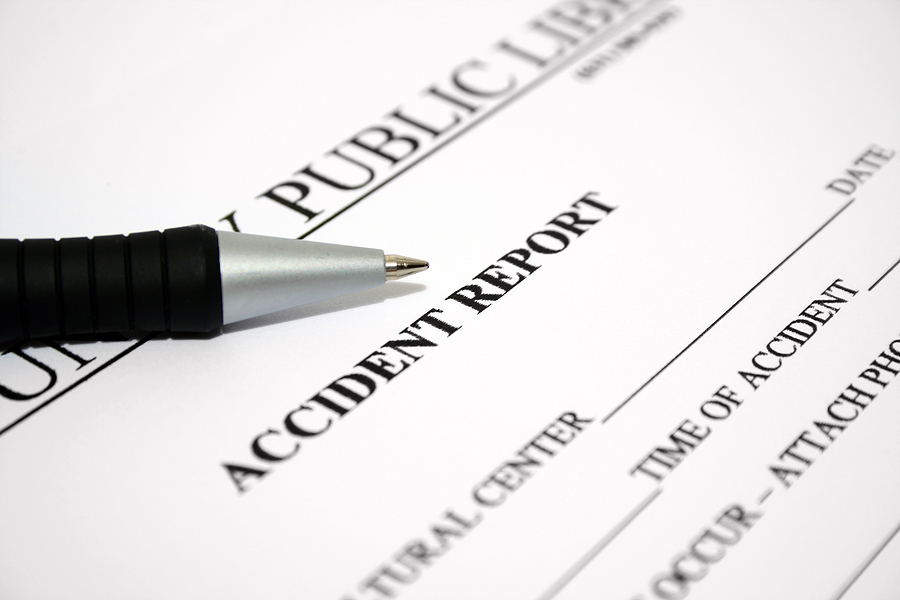
File an Official Trip and Fall Accident Report in Indiana

How to Report a Trip and Fall Accident

The reporting process depends on where the accident happened, but the goal is generally the same: notify the appropriate person, provide an accurate account of the incident, and keep a record of your report.

1. Get Medical Help If You Need It

Do not delay necessary medical care to complete paperwork or take photographs. If you have a serious injury, cannot safely move, or experience symptoms that may require emergency attention, call 911 or have someone seek help for you.

Even when an injury seems minor, consider getting evaluated by a medical professional. Some injuries may not be immediately apparent, and a medical evaluation can help identify problems that require treatment. Tell your healthcare provider how the accident happened and describe your symptoms accurately.

Keep copies of your discharge instructions, medical records, prescriptions, and related bills. These records may become important if you later need to establish the nature and extent of your injuries.

2. Notify the Property Owner or Manager

If you are able to do so safely, tell the person responsible for the property that you fell and were injured. At a store, this may be a manager or supervisor. At an apartment complex, it may be the property manager or maintenance office. At a restaurant, hotel, or other business, ask for the person responsible for handling accident reports.

Explain the basic facts without guessing about details you do not know. Ask whether the business has an incident report form and whether you can receive a copy.

If the accident happened on a public sidewalk, in a government building, or on other public property, identifying the responsible entity may be more complicated. A city, county, state agency, private contractor, or another party could be involved. Do not assume that reporting the accident to the nearest business satisfies any legal notice requirement.

3. Document the Scene Before Conditions Change

If you can do so without putting yourself or anyone else at risk, take photographs or videos of the area where you fell. Try to capture both the hazard and its surroundings.

For example, if you tripped over a raised section of pavement, photograph the elevation change from several angles. Include wider shots showing where it is located in relation to nearby entrances, walkways, or other landmarks. If poor lighting, missing warnings, or an obstruction contributed to the fall, document those conditions as well.

Do not move objects, alter the scene, or place yourself in danger to obtain photographs. If you cannot document the area yourself, ask a trusted person to help.

4. Identify Witnesses and Preserve Other Evidence

If someone saw the accident or noticed the hazardous condition beforehand, ask whether they would be willing to provide their name and contact information. A witness may remember details that you did not notice during the fall.

Also keep the shoes and clothing you were wearing, along with any damaged personal belongings. If possible, preserve them in their original condition until you have had an opportunity to discuss their relevance with an attorney.

If the accident occurred at a business, ask whether security cameras may have recorded the area. Video may be overwritten or deleted according to the property’s retention practices. An attorney can help determine whether a preservation request or other legal steps are appropriate.

5. Complete the Incident Report and Request a Copy

When a report form is available, fill it out carefully. Include the facts you know, describe the hazard in your own words, and avoid making assumptions about how long it existed or who caused it.

Before signing, read the document to make sure it accurately reflects your account. Do not sign a statement containing facts you believe are incorrect. If you are asked to sign an insurance release, settlement agreement, or another document you do not understand, consider speaking with an attorney before doing so.

Ask for a copy of the completed report. If the business will not provide one, record the name and position of the person you spoke with, the date and time, and any report or reference number you were given.

What Information Should Be Included in an Incident Report?

A useful accident report should provide enough detail to identify the event and the circumstances surrounding it. Include the following information when it is available and relevant:

  • Date and time: When the accident occurred and when you reported it.
  • Exact location: The business name, address, and specific area, such as an aisle, stairway, parking lot, or sidewalk section.
  • Description of the hazard: What you observed, such as a raised floor tile, loose carpet, uneven pavement, or an object in the walking path.
  • How the accident happened: A factual explanation of what you were doing and how you fell.
  • Injuries and symptoms: What you noticed immediately after the accident, without attempting to diagnose yourself.
  • Witness information: Names and contact details of anyone who saw the fall or the condition beforehand.
  • Photographs or video: A description of any images you took and whether you provided copies.
  • Medical assistance: Whether emergency services were called or you sought medical attention.
  • Reporting details: The name of the person who received the report and any incident number provided.

You do not need to know every detail before making a report. If you are uncertain about something, say so rather than guessing. You can also keep a separate written account for your own records and update it when you obtain additional information.

Example of a Trip and Fall Incident Report

The following is a fictional example of how someone might describe an accident. Your own report should reflect only what actually happened.

On September 8, 2026, at approximately 2:15 p.m., I was walking through the main entrance of a retail store when my right foot caught on a raised section of flooring near the doorway. I fell forward and landed on my left knee and right hand. I noticed pain in my knee and wrist afterward. I reported the accident to the store manager at approximately 2:30 p.m. I took photographs of the flooring and surrounding area. A customer who witnessed the fall provided their contact information. I intend to seek medical evaluation for my injuries.

The example identifies the location, circumstances, injuries, and reporting details without claiming facts the person may not know. There is no need to add statements such as “the owner was negligent” or “the floor had been dangerous for months” unless you have a factual basis for what you are saying.

What If the Property Owner Refuses to File a Report?

A property owner or manager may decline to prepare a report, refuse to provide a copy, or tell you that the business does not have a reporting procedure. That does not mean you should abandon your efforts to document the accident.

Write down the name and position of the person you spoke with, along with the date and time of the conversation. If possible, send a factual follow-up email or letter to the business or property management company. Describe when and where the fall occurred, explain that you reported the incident, and request written confirmation that your notice was received.

Keep a copy of your correspondence and any response. If you send a letter, preserve proof of delivery when available.

An attorney can help you determine whether additional steps are needed to preserve evidence or notify the proper party. This is particularly important when the accident may involve a government entity or another party with special notice requirements.

What If You Already Left Without Reporting the Fall?

If you left the scene before making a report, do not assume that you have lost the ability to pursue a claim. People sometimes leave because they are embarrassed, shaken, focused on getting medical care, or unaware of the extent of their injuries.

Contact the business or property manager as soon as reasonably possible and explain what happened. Ask how to submit a written incident report and whether any photographs, surveillance footage, or other records may still be available.

Write down everything you remember while the details are fresh. Include the approximate time, location, condition that caused the fall, names of employees you spoke with, and any witnesses. Preserve receipts, appointment records, or other documents that may help establish when you were at the location.

A delayed report may raise questions about the circumstances of an accident, but it does not automatically prevent a personal injury claim. The effect of a delay depends on the facts and applicable law.

Incident Reports, Insurance Claims, and Lawsuits Are Not the Same

One of the most common sources of confusion after a trip and fall accident is the belief that filing an incident report starts a personal injury case. These are separate processes.

An incident report is generally a record created by a business, property manager, or other organization to document an accident. It may contain information about the location, people involved, witnesses, and what was reported.

An insurance claim is a request for compensation submitted to an insurance company. The insurer may investigate the accident, review medical records, and determine whether it believes its insured is legally responsible.

A personal injury lawsuit is a civil action filed in court. It is subject to legal requirements and deadlines that are separate from a business’s internal reporting procedures.

A government tort claim notice is a formal notice that may be required before pursuing certain claims against governmental entities. Indiana has specific rules governing these notices.

Filing an incident report does not necessarily satisfy the requirements for any of the other processes. It is also possible for a person to have a valid claim even when no business incident report was created. The facts, available evidence, applicable law, and filing deadlines all matter.

Understanding Indiana Trip and Fall Liability

A trip and fall accident does not automatically mean that the property owner is legally responsible. Indiana premises liability law considers the circumstances of the accident, the condition of the property, the duty owed to the injured person, and whether a failure to exercise reasonable care caused the injury.

When Can a Property Owner Be Responsible?

Property owners and others who possess or control property may owe duties to people who enter the premises. The nature of those duties can depend on the visitor’s legal status and the circumstances of the visit.

For example, a business generally owes customers a duty to exercise reasonable care concerning dangerous conditions on its premises. In many premises liability cases involving business invitees, an important question is whether the business knew or should have known about the hazardous condition and failed to take reasonable steps to address it.

Evidence such as maintenance records, prior complaints, employee observations, photographs, and surveillance footage may help answer those questions. The existence of a dangerous condition alone does not establish that the property owner is liable.

What If You Were Partially Responsible for the Fall?

Indiana’s comparative fault rules may affect compensation when more than one party contributed to an accident. In many negligence cases involving private defendants, a claimant whose fault is greater than 50% is barred from recovery. When recovery is permitted, compensation may be reduced according to the claimant’s percentage of fault.

For example, if a claimant is found to be 20% responsible for an accident, that percentage may reduce the damages awarded. The exact result depends on the parties, the evidence, and the law applicable to the claim. Indiana’s comparative fault statute does not apply in the same manner to tort claims against governmental entities or public employees under the Indiana Tort Claims Act.

How Long Do You Have to File a Trip and Fall Claim in Indiana?

Indiana generally requires a personal injury lawsuit to be commenced within two years after the cause of action accrues. Exceptions may apply, so you should not assume that every accident has the same deadline.

Claims involving governmental entities can have much shorter notice requirements. Under the Indiana Tort Claims Act, notice of a claim against the state generally must be filed within 270 days after the loss. Claims against political subdivisions generally require notice within 180 days, subject to statutory exceptions and requirements. These are notice deadlines, not simply shorter versions of the ordinary lawsuit statute of limitations.

If you fell on a public sidewalk, at a government facility, or on property that may be owned or maintained by a governmental entity, speak with an attorney promptly. Determining the correct party, applicable deadline, and required method of notice can be more complicated than it first appears.

Not sure which deadline applies to your accident? Craven Blazek Law can review the circumstances and explain your options during a free initial case evaluation. Call 317-881-2700.

Common Mistakes to Avoid After a Trip and Fall

Waiting Too Long to Document the Accident

Conditions can change quickly. A floor may be repaired, an obstruction may be removed, or surveillance footage may no longer be available. Report the accident and preserve evidence as soon as you reasonably can, without delaying necessary medical care.

Guessing or Exaggerating in Your Report

An accurate report is more useful than one that tries to make the accident sound worse. Describe what you observed and distinguish between facts you know and details you are unsure about. Do not speculate about the property owner’s knowledge or the cause of a condition.

Assuming a Report Automatically Proves Liability

An incident report can help establish that an accident was reported, but it does not automatically prove negligence or guarantee compensation. Other evidence may be needed to establish how the accident happened and whether another party was legally responsible.

Ignoring Medical Symptoms or Treatment Recommendations

If you are injured, seek appropriate medical attention and follow your healthcare provider’s recommendations. Keep records of appointments, treatment, and how your injuries affect your daily activities. Do not delay necessary care because you are uncertain about insurance coverage or a potential claim.

Signing Documents You Do Not Understand

A routine incident report is different from a settlement agreement, liability release, or recorded insurance statement. Read documents carefully and ask questions before signing. If you are unsure whether a document could affect your rights, consider obtaining legal advice first.

Accepting a Settlement Before Understanding Your Injuries

An early settlement offer may not account for the full extent of an injury, future treatment, lost income, or other damages. Before accepting an offer or signing a release, make sure you understand what rights you may be giving up and whether the proposed resolution addresses your circumstances.

Frequently Asked Questions About Trip and Fall Accident Reports

How Long Do I Have to File an Incident Report After a Trip and Fall?

There is no single deadline that applies to every business’s internal incident reporting procedure. Report the accident as soon as you reasonably can and ask the property owner or manager about its process. Do not confuse an internal reporting deadline with Indiana’s statute of limitations or the separate notice requirements that may apply to government claims.

Can I File a Report After Leaving the Scene?

Yes, you can still contact the property owner or manager and ask to document what happened. Explain the reason for the delay if relevant, provide an accurate account, and keep copies of your correspondence. A delayed report may affect the available evidence, but it does not automatically eliminate a potential claim.

Do I Need a Police Report for a Trip and Fall Accident?

Not every trip and fall accident requires a police report. Many incidents at businesses and private properties are documented through the property owner’s or manager’s reporting process. Police or emergency services may become involved when there is an emergency, a public safety concern, or another reason requiring their assistance.

If you’ve been injured in a trip and fall accident, don’t wait to get the guidance you need. Contact Craven Blazek Law in Indianapolis, Indiana, to schedule a free consultation with an experienced premises liability attorney who can help protect your rights every step of the way.

Call Now

Related Posts:

Avoiding the Legal Trip-Ups: Why Hiring a Slip and Fall Lawyer is Crucial
Slip and Fall Accidents in Indiana: Common Locations and Safety Tips
Indiana Slip and Fall Accident: Hiring a Premises Liability Attorney


What Is Duty of Care in a Personal Injury Case?

When someone’s careless actions leave you injured, the law doesn’t automatically guarantee compensation. Before any personal injury claim can move forward, you first need to establish something called duty of care—a foundational legal concept that determines whether the other party had a responsibility to protect you from harm.

Getting this right matters. Without it, even the most clear-cut injury case can fall apart before it reaches a settlement or courtroom. This post breaks down what duty of care means, how courts evaluate it, and what you’ll need to prove it in your case.

Duty of Care in Personal Injury Cases

What Is Duty of Care?

Duty of care is a legal obligation requiring individuals or entities to act with reasonable caution to avoid causing harm to others. Put simply, it’s the baseline standard of behavior the law expects from people in society.

In personal injury law, duty of care is the first element a plaintiff must establish in a negligence claim. It answers a fundamental question: did the defendant have a legal responsibility to protect you from the type of harm that occurred? Drivers owe a duty to other road users. Property owners owe a duty to lawful visitors. Doctors owe a duty to their patients. The specific duty varies by circumstance, but the principle remains the same across virtually every personal injury case.

The Four Elements of a Personal Injury Claim

Duty of care doesn’t stand alone—it’s one of four elements that together form the foundation of a negligence claim. All four must be established for a case to succeed.

1. The Defendant Owed You a Duty of Care

First, you must show that a legal relationship or circumstance existed that required the defendant to act with reasonable care toward you. This could be as straightforward as a driver on a public road or as nuanced as a business owner’s obligation to maintain safe premises.

2. The Defendant Breached That Duty

Once a duty is established, the next step is showing that the defendant failed to meet it. A breach occurs when someone acts carelessly, recklessly, or ignores established safety standards—running a red light, leaving a wet floor unmarked, or prescribing the wrong medication.

3. The Breach Caused Your Injury

Causation is the bridge between the defendant’s negligence and your harm. Courts evaluate this in two ways: actual causation (the injury would not have occurred “but for” the defendant’s actions) and proximate causation (the harm was a foreseeable consequence of that conduct).

4. You Suffered Actual Damages

Finally, you must demonstrate that the breach caused real, measurable harm—whether physical injury, emotional distress, medical expenses, or lost wages. Without documented damages, a negligence claim cannot succeed, even if all other elements are proven.

How Courts Determine Duty of Care

Courts don’t apply a single rigid test when evaluating duty of care. Instead, they weigh several factors to decide whether one party owed a legal obligation to another.

The Reasonable Person Standard

The most widely applied measure is the reasonable person standard. Courts ask: what would a reasonably prudent person have done in the same circumstances? This isn’t about perfection—it’s about whether the defendant’s behavior fell below the level of care that society expects.

Foreseeability of Harm

Courts are more likely to find that a duty existed when the potential for harm was foreseeable. For example, it’s clearly foreseeable that a driver who runs a red light could injure a pedestrian crossing legally. Foreseeability connects the defendant’s conduct to the type of harm that actually occurred.

The Relationship Between Parties

Certain relationships carry built-in duties of care. A doctor-patient relationship, a business and its customers, or a landlord and their tenants all create recognized legal obligations. When one of these relationships exists, establishing duty of care becomes a more straightforward task.

Industry Standards and Regulations

In some cases—particularly medical malpractice or workplace accidents—courts look to established industry standards, professional codes of conduct, or government regulations to define what the duty of care required. Falling below these benchmarks can constitute a breach.

Proving Duty of Care in Your Case

Establishing duty of care requires more than a general argument—it takes evidence. Here’s what that typically involves:

  • Gathering evidence of the duty: Police reports, contracts, records of the parties’ relationship, and witness statements can all help demonstrate that a duty existed.
  • Documenting the breach: Photographs, surveillance footage, expert testimony, and safety inspection records can show that the defendant’s conduct fell below the expected standard.
  • Establishing causation: Medical records, accident reconstruction reports, and expert analysis are often critical to linking the breach directly to your injury.
  • Quantifying damages: Bills, income records, and testimony from medical or financial experts help calculate the full extent of your losses—both economic and non-economic.

The Role of a Personal Injury Lawyer in Proving Negligence

Navigating the intricate process of proving negligence and obtaining fair compensation can be daunting without the right support. A personal injury lawyer brings the expertise needed to gather compelling evidence, build a strong case, and advocate on your behalf. Their guidance ensures that every aspect of your claim is thoroughly addressed, giving you the best chance at securing the justice and financial recovery you deserve.

Common Duty of Care Violations

Duty of care applies across a wide range of situations. Some of the most common violations seen in personal injury cases include:

Negligent Driving

All drivers owe a duty of reasonable care to other road users. Speeding, running red lights, driving while distracted, or operating a vehicle under the influence all represent clear breaches of that duty.

Premises Liability

Property owners have a legal obligation to maintain reasonably safe conditions for lawful visitors. The extent of that duty varies—invitees (such as customers in a store) are owed the highest standard of care, while the obligation to trespassers is significantly lower. Failure to address known hazards, like a broken step or icy walkway, can result in liability.

Medical Malpractice

Healthcare providers are held to the accepted standard of care within their profession. When a doctor, nurse, or other medical professional deviates from that standard—through misdiagnosis, surgical error, or failure to monitor a patient—and a patient is harmed, a duty of care violation may have occurred.

Frequently Asked Questions

What if the defendant claims they didn’t know about the risk?

Lack of knowledge isn’t always a defense. Courts apply a “knew or should have known” standard—meaning if a reasonable person in the defendant’s position would have recognized the risk, claiming ignorance won’t necessarily excuse the behavior.

How do I prove foreseeability in a personal injury case?

Foreseeability is typically established through evidence showing that a reasonable person in the defendant’s position could have anticipated the risk of harm. Expert testimony, incident history, and industry safety standards often play a key role in making this argument.

Can duty of care vary by location or state?

Yes. While the core legal principles are consistent across the U.S., how courts apply the duty of care standard—and what specific duties are recognized—can vary by state. Indiana has its own body of case law and statutory rules that shape how duty of care is evaluated in personal injury claims.

What happens if duty of care cannot be established?

If duty of care is not established, the negligence claim fails. Without this foundational element, no breach, causation, or damages analysis matters—the case cannot proceed. This is why identifying and proving duty of care is the first and most critical step in any personal injury claim.

Start Your Case with the Right Legal Team

Duty of care is the cornerstone of any successful personal injury claim, and proving it requires a clear legal strategy, the right evidence, and a thorough understanding of how Indiana courts evaluate negligence. Getting this step wrong can jeopardize everything that follows.

If you’ve been injured and believe someone else’s negligence is to blame, the team at Craven Blazek Law in Indianapolis, Indiana is ready to help. Contact us today at (317) 881-2700 to schedule a no-fee consultation and learn how they can build the strongest possible case on your behalf.

Call Our Office

Related Posts:

The Indiana Personal Injury Claim Process: What Injured Victims Need to Know
How to Prove Negligence in a Personal Injury Case
The Benefits of Hiring an Experienced Personal Injury Lawyer

What to Do After a Pedestrian Accident in Downtown Indianapolis

Being struck by a vehicle while walking can leave you dealing with serious injuries, medical bills, missed work, and questions about what happens next.

Pedestrian accidents in Downtown Indianapolis can occur at busy intersections, crosswalks, parking garage entrances, and streets where drivers and pedestrians are navigating the same congested areas. When a crash happens, the steps you take afterward can protect both your health and your ability to pursue compensation.

If you were hit by a car while walking in Indianapolis, here is what you should do after the accident.

Pedestrian Accident in Downtown Indianapolis

1. Call 911 and Get Medical Help

Call 911 as soon as possible after a pedestrian accident.

Emergency medical personnel can evaluate your injuries and transport you to a hospital if necessary. Police can also investigate the crash, speak with the driver and witnesses, document the scene, and prepare an accident report.

If your injuries require immediate transportation to the hospital, getting medical care should take priority over gathering evidence yourself.

2. Move Out of Traffic If You Can Do So Safely

If you are physically able to move without worsening your injuries, get to a safe location away from moving traffic.

Do not attempt to walk off a serious injury simply because you are able to stand. Pedestrian crashes can cause head injuries, fractures, internal injuries, and other conditions that may not be immediately obvious.

3. Document the Accident Scene

If your condition allows, take photographs or video before vehicles are moved and conditions change.

Useful evidence may include:

  • The vehicle that struck you
  • Vehicle damage
  • Your visible injuries
  • Crosswalk markings
  • Traffic lights and pedestrian signals
  • Skid marks or debris
  • Street signs
  • Weather and road conditions
  • Nearby businesses or buildings with surveillance cameras

Downtown Indianapolis has many businesses, parking facilities, apartments, hotels, and public buildings. Nearby surveillance footage may capture the collision, but recordings are not always kept indefinitely.

4. Get the Driver’s Information

Obtain the driver’s:

  • Name
  • Phone number
  • Address
  • Driver’s license information
  • Insurance company and policy information
  • License plate number

If police respond, much of this information may also appear in the accident report.

Avoid arguing with the driver about fault at the scene. Focus on exchanging information and getting medical attention.

5. Get Contact Information From Witnesses

Independent witnesses can be especially important when the driver and pedestrian disagree about what happened.

Ask witnesses for their names, phone numbers, and email addresses before they leave.

A witness may be able to clarify whether the pedestrian had the walk signal, whether the vehicle was turning, how fast the driver appeared to be traveling, or whether the driver failed to stop or yield.

6. Get Medical Treatment Even If Your Injuries Seem Minor

Pedestrian accidents often expose the body to significant force. Some injuries may be immediately apparent, while symptoms of concussions, soft-tissue injuries, or other conditions can develop later.

Seeking prompt medical treatment serves two purposes: it protects your health and creates documentation showing when your symptoms and injuries began.

Follow your doctor’s treatment recommendations and attend follow-up appointments. Gaps in medical treatment can make it more difficult to establish the extent of an injury later.

7. Keep Records of Your Medical Treatment and Other Losses

Save documentation related to the accident and your recovery, including:

  • Medical bills
  • Hospital records
  • Prescription receipts
  • Physical therapy records
  • Transportation expenses
  • Pay stubs
  • Documentation of missed work
  • Insurance correspondence

You can also keep notes describing your symptoms and how the injuries affect your everyday life.

For example, document whether the accident prevents you from working, driving, sleeping normally, caring for your children, exercising, or participating in activities you previously enjoyed. These effects may become relevant when evaluating economic and non-economic damages.

8. Be Careful When Speaking With the Driver’s Insurance Company

The driver’s insurance company may contact you shortly after the accident. You can provide basic factual information, but be cautious about speculating about fault, estimating the severity of your injuries, or agreeing to a recorded statement before you understand your legal options.

You may not yet know the full extent of your injuries, particularly if you are still undergoing diagnostic testing or treatment.

9. Don’t Settle Before You Understand the Extent of Your Injuries

An early settlement may be tempting when medical bills and lost wages are accumulating. However, accepting a settlement generally resolves the claim. If you later discover that you need surgery, extended rehabilitation, or additional time away from work, you may not be able to return and demand additional compensation.

Before accepting an offer, consider whether your doctors understand your prognosis and whether future treatment or long-term limitations are expected.

An Indiana pedestrian accident attorney can review the circumstances of the crash, insurance coverage, medical documentation, and potential future losses before a claim is resolved.

What Compensation May Be Available After an Indianapolis Pedestrian Accident?

The compensation available depends on the severity of the injuries and the circumstances of the crash.

A pedestrian accident claim may include compensation for:

  • Emergency medical care
  • Hospital and physician bills
  • Rehabilitation and physical therapy
  • Future medical treatment
  • Lost wages
  • Reduced future earning capacity
  • Pain and suffering
  • Emotional distress
  • Permanent disability
  • Scarring or disfigurement
  • Damaged personal property

In certain cases involving particularly wrongful conduct, punitive damages may also become an issue, although they are not part of an ordinary negligence claim.

How Does Comparative Fault Affect an Indiana Pedestrian Accident Claim?

Drivers are not automatically responsible for every collision involving a pedestrian. Indiana applies comparative-fault rules when determining responsibility.

If an injured pedestrian shares some responsibility for the crash, compensation may be reduced according to the pedestrian’s percentage of fault. A pedestrian whose fault exceeds the applicable threshold can be barred from recovering damages.

For example, disputes may arise over whether:

  • The pedestrian had the walk signal
  • The pedestrian crossed outside a crosswalk
  • The driver failed to yield while turning
  • The driver was speeding or distracted
  • Either person failed to obey a traffic signal

Evidence from witnesses, traffic cameras, nearby surveillance footage, vehicle data, and the police investigation can be important when fault is disputed.

How Long Do You Have to File a Pedestrian Accident Lawsuit in Indiana?

Indiana generally requires personal injury lawsuits to be filed within two years after the cause of action accrues. That does not mean you should wait until the deadline approaches.

Pedestrian accident evidence can disappear much sooner. Surveillance footage may be deleted, witnesses can become difficult to locate, and the accident scene may change.

Claims involving governmental entities can also involve additional notice requirements and different procedural rules, making early investigation especially important.

Frequently Asked Questions

What if the driver left the scene?

Call 911 and report the hit-and-run immediately. Police may be able to identify the driver using witnesses, nearby surveillance footage, license plate information, or vehicle debris.

If the driver cannot be identified, your own automobile insurance may provide uninsured-motorist benefits if your policy includes applicable coverage. Indiana insurers generally must make uninsured and underinsured motorist coverage available, although policyholders can reject that coverage in writing.

Can I recover compensation if I was partially at fault?

Potentially. Indiana’s comparative-fault system can allow an injured person to recover even when they share some responsibility for an accident. The amount recovered may be reduced according to the percentage of fault assigned to the injured person.

What if I was hit while the driver was turning?

Turning-vehicle pedestrian accidents frequently raise questions about right-of-way, traffic signals, crosswalk markings, visibility, and whether the driver properly checked for pedestrians before completing the turn.

Photos, witnesses, traffic-camera footage, and nearby surveillance video may help determine what happened.

Do I need an attorney after a pedestrian accident?

You are not legally required to hire a pedestrian accident lawyer. However, legal representation can become particularly useful when injuries are serious, liability is disputed, multiple insurance policies are involved, the driver was uninsured, or the insurer disputes the value of the claim.

How long does a pedestrian accident claim take?

There is no standard timeline. A claim involving injuries that heal relatively quickly may be resolved sooner than one involving surgery, permanent impairment, disputed fault, or litigation.

It is generally important to understand the medical prognosis before resolving a serious injury claim.

Injured in a Pedestrian Accident in Downtown Indianapolis?

A pedestrian accident can leave you facing medical treatment, time away from work, and uncertainty about how your expenses will be paid. Taking photographs, identifying witnesses, getting appropriate medical treatment, preserving records, and investigating available insurance coverage can all help protect your claim.

If you or a loved one was struck by a vehicle in Downtown Indianapolis or elsewhere in Central Indiana, Craven Blazek Law can review the accident and explain your legal options.

Our Indianapolis personal injury attorneys handle pedestrian accident claims on a contingency-fee basis. Call 317-881-2700 to schedule a free consultation.

Related Posts:

Hit by an Electric Scooter in Indiana? What Injured Pedestrians Should Do
Pedestrian Struck by Vehicle: Essential Guide to Next Steps
What Can an Indiana Pedestrian Accident Lawyer Do For You?

Who Pays for Injuries Caused by a Dog That Escapes Its Owner’s Yard?

A dog gets through a broken gate, slips under a fence, or runs out an open door and injures someone nearby. When that happens, the injured person may be left with medical bills, lost income, pain, scarring, and questions about who is financially responsible.

In Indiana, the dog owner is often the first person whose responsibility is examined. But depending on where and how the dog escaped, a landlord, property owner, or insurance company may also become involved.

Determining who pays after an escaped dog causes an injury depends on how the incident happened, whether the dog had shown dangerous behavior before, whether reasonable steps were taken to restrain it, and who controlled the property where the escape occurred.

Dog Escapes Owner's Yard
Dog Escapes Owner’s Yard

Is the Dog Owner Responsible When a Dog Escapes?

A dog owner may be held responsible when failing to properly restrain the animal contributes to an attack or injury. Indiana Code § 15-20-1-4 addresses situations in which an owner recklessly, knowingly, or intentionally fails to take reasonable steps to restrain a dog, the dog enters someone else’s property, and the dog bites or attacks another person without provocation and causes bodily injury.

Examples that may become important in an escaped-dog claim include:

  • A gate that would not latch properly
  • Holes or gaps in a fence
  • Allowing a dog to roam without restraint
  • Ignoring previous escape attempts
  • Failing to use a leash where required
  • Prior aggressive behavior such as lunging, growling, or attempting to bite

The fact that a dog never previously bit someone does not automatically mean the owner cannot be responsible.

Does Indiana Have a “One-Bite Rule”?

Indiana dog bite law is more complicated than simply giving every dog “one free bite.” Under Indiana Code § 15-20-1-3, a dog owner can be liable for an unprovoked bite when the injured person was acting peaceably and was somewhere they were required to be while carrying out a duty imposed by Indiana law, federal law, or U.S. postal regulations. That protection can apply even when the dog had never previously acted viciously and the owner had no knowledge of earlier aggressive behavior.

Other dog injury cases may depend on negligence and what the owner knew or should reasonably have known about the animal and the circumstances surrounding the attack.

For someone injured by a dog that escaped from its owner’s property, evidence showing that the dog was not reasonably restrained can therefore be especially important.

Can a Landlord Be Responsible for a Tenant’s Dog?

Possibly, but simply owning the rental property does not automatically make a landlord responsible for a tenant’s dog.

Indiana courts have generally looked at two important questions when deciding whether a landlord or other landowner who does not own the dog may be responsible:

  1. Did the landlord retain control over the property or area involved?
  2. Did the landlord have actual knowledge that the dog had dangerous propensities?

Both issues can be important.

For example, evidence that a landlord merely knew a tenant owned a dog may not be enough. Evidence showing previous attacks, aggressive behavior, complaints, or warnings may be much more significant.

What If a Broken Fence or Gate Helped the Dog Escape?

Property maintenance may create additional questions about responsibility. Suppose a tenant repeatedly reported that a shared gate would not latch, the landlord remained responsible for maintaining that gate, and the unrepaired condition allowed a dangerous dog to escape. Those facts could warrant a closer look at the landlord’s control over the property and whether the landlord’s conduct contributed to the incident.

Useful evidence may include:

  • Photos or video of the fence or gate
  • Maintenance requests
  • Emails or text messages with the landlord
  • Prior tenant complaints
  • Animal control reports
  • Witness statements

These cases are highly dependent on the facts, which is why identifying who actually controlled the area where the dog escaped can matter.

What If the Dog Escapes Onto a Sidewalk, Neighbor’s Yard, or Public Area?

Where the injury occurred may affect the analysis, but an owner does not necessarily avoid responsibility simply because the attack happened away from the owner’s home. Indiana’s restraint statute specifically addresses situations in which a dog enters property other than the owner’s property after the owner fails to take reasonable steps to restrain it. Local animal-control ordinances may also impose additional restraint or containment requirements.

For an injured person, photographs of where the dog came from, the route it took, the condition of the fence or gate, and the exact location of the attack can help establish how the incident occurred.

Whose Insurance Pays for a Dog Bite or Dog Attack?

Even when a person is legally responsible, the actual payment of a claim often comes through liability insurance.

Homeowners Insurance

A dog owner’s homeowners policy may provide liability coverage for injuries caused by a dog. Coverage depends on the individual policy. Insurers may impose exclusions, conditions, or coverage limits, so the policy must be reviewed rather than assuming every dog-related injury is covered.

Renters Insurance

If the dog belongs to a tenant, renters insurance may provide liability coverage for injuries caused by the tenant’s dog. If a landlord is also potentially responsible, the landlord’s own liability insurance may become relevant as well.

Umbrella Insurance

Some individuals carry umbrella liability policies that provide additional insurance above the limits of an underlying homeowners or renters policy. This can become particularly important when a dog attack causes serious injuries, permanent scarring, surgery, or substantial lost income.

What Compensation May Be Available After an Escaped-Dog Injury?

Depending on the circumstances and severity of the injury, a claim may seek compensation for losses such as:

  • Emergency medical treatment
  • Hospital and physician bills
  • Medication
  • Plastic or reconstructive surgery
  • Lost wages
  • Reduced future earning ability
  • Pain and suffering
  • Scarring or disfigurement
  • Emotional distress
  • Future medical treatment

Dog attacks can cause injuries beyond puncture wounds. Victims may suffer falls, fractures, nerve damage, facial injuries, infections, or psychological trauma, even when the dog does not cause a traditional bite wound.

What If the Injured Person Was Partially at Fault?

Indiana generally uses a modified comparative fault system.

A person can still recover compensation when their share of fault is 50% or less, although the recovery can be reduced according to their percentage of responsibility. If the injured person’s fault is greater than 50%, recovery is generally barred.

For example, questions about whether someone provoked the dog or improperly entered private property could become relevant depending on the circumstances.

What Should You Do After Being Injured by an Escaped Dog?

The first priority should be getting appropriate medical treatment. After that, preserving evidence can make a significant difference in determining who was responsible.

Consider taking the following steps:

  1. Photograph your injuries.
  2. Photograph the fence, gate, yard, or area where the dog escaped.
  3. Get the dog owner’s name and contact information.
  4. Ask for applicable homeowners or renters insurance information.
  5. Get contact information from witnesses.
  6. Save damaged clothing and other physical evidence.
  7. Keep copies of medical bills and records.
  8. Document missed work and lost income.
  9. Report the incident to the appropriate local authorities or animal-control agency when appropriate.

Avoid repairing, altering, or disposing of potentially important evidence before it has been documented.

How Long Do You Have to File a Dog Injury Lawsuit in Indiana?

Indiana generally gives an injured person two years after a personal injury claim accrues to file a lawsuit. That does not mean it is advisable to wait two years before investigating a dog attack.

Fence conditions can be repaired, surveillance video can disappear, witnesses can become difficult to locate, and insurance issues may take time to investigate. Starting the lawsuit filing process earlier can make it easier to preserve evidence.

Frequently Asked Questions

Can a dog owner be liable if the dog never bit anyone before?

Yes, potentially. A previous bite is not always required. Liability may depend on how the incident occurred, whether the owner failed to reasonably restrain the dog, what the owner knew about the dog’s behavior, and whether a specific Indiana dog-bite statute applies.

Who pays if a tenant’s dog escapes from a rental property?

The tenant or dog owner may be responsible, and their renters insurance may provide coverage. In some circumstances, a landlord may also be investigated, particularly when questions exist about the landlord’s control of the property and actual knowledge of the dog’s dangerous tendencies.

Can I make a claim if the dog knocked me down but did not bite me?

Potentially. A dog-related personal injury claim is not necessarily limited to puncture wounds. An escaping or attacking dog may cause someone to fall, suffer broken bones, or sustain other injuries without an actual bite.

What if the dog escaped because of a broken fence?

The condition of the fence and who was responsible for maintaining it may be important. Evidence showing that an owner or landlord knew about a defective fence or gate and failed to address it can become part of the liability investigation.

Injured by an Escaped Dog in Indianapolis?

When a dog escapes and injures someone, determining who is responsible may require more than identifying the dog’s owner. The investigation may also involve property conditions, prior complaints, landlords, witnesses, local animal-control records, and multiple insurance policies.

Craven Blazek Law represents people injured in dog bites and dog attacks in Indianapolis and throughout Indiana. If you or a family member was injured by a dog that escaped from a yard, home, or rental property, schedule a free consultation to discuss what happened and learn which parties and insurance policies may be responsible for your losses.

Call Now

Related Posts:

A Guide to Indiana’s Dog Bite Laws and Liability
What to Do After a Dog Bite in Indiana: Legal Steps Explained
Navigating the Legal Terrain: Dog Bite Claims in Indiana

What Are Your Rights to Compensation After a Personal Injury?

Getting hurt because someone else was careless is stressful enough. Add medical bills, missed work, and insurance calls to the mix, and it can quickly feel overwhelming. But here’s what matters most right now: you have rights—and knowing them can make a real difference in what you recover.

This post breaks down the types of compensation available after a personal injury, how the claims process works, how Indiana law applies to your case, and when it makes sense to bring in a lawyer.

Your Rights to Compensation

What Types of Damages Can You Claim?

Personal injury compensation—legally referred to as “damages”—falls into several categories. Most claims include a combination of the following.

Medical Expenses

This is typically the largest component of any personal injury claim. You can seek compensation for emergency room visits, surgeries, prescription medications, physical therapy, and any ongoing or future treatment directly related to your injury.

Keep every receipt, bill, and medical record. These documents form the foundation of your claim.

Lost Wages and Earning Capacity

If your injury forced you to miss work, you can recover those lost earnings. For more serious injuries that affect your ability to perform your job long-term—or at all—you may also be entitled to compensation for diminished earning capacity going forward.

Pain and Suffering

Unlike economic damages, pain and suffering is harder to quantify—but it’s very real and very compensable. This category covers physical pain, emotional distress, anxiety, and the overall impact the injury has had on your quality of life.

Property Damage

If personal property was damaged in the incident—your vehicle, for example—you can seek compensation for repair or replacement costs as part of your overall claim.

How the Personal Injury Claim Process Works

Step 1: Report the Incident and Gather Evidence

Document everything as soon as possible. File a police report (if applicable), photograph the scene, collect witness contact information, and seek medical attention immediately—even if you feel fine. Delays in treatment can give insurers grounds to dispute your claim.

Step 2: Know Your Deadline

In Indiana, you generally have two years from the date of injury to file a personal injury lawsuit (Ind. Code § 34-11-2-4(a)(1)). Missing this deadline means losing your right to compensation permanently—with very limited exceptions.

One exception worth knowing: Indiana’s “discovery rule” may extend your deadline if you didn’t immediately know you were injured. This applies most often in cases involving latent medical conditions. If you’re unsure whether this applies to your situation, speak with a personal injury attorney as soon as possible.

If your claim involves a government entity, the deadlines are shorter. You must file written notice with the Indiana Attorney General within 270 days for state claims, and within 180 days for claims against local political subdivisions.

Step 3: Establish Fault

Indiana operates under a fault-based system, meaning the party responsible for causing your injury is also responsible for covering your losses. Proving fault requires demonstrating that the other party acted negligently—that is, they failed to exercise reasonable care, and that failure caused your injury.

Step 4: Negotiate with Insurance Companies

Most personal injury cases are resolved through insurance negotiations rather than court. However, insurers are motivated to minimize payouts. Having clear documentation, a well-prepared demand letter, and legal support puts you in a far stronger position at the negotiating table.

How Insurance Coverage Affects Your Compensation

Your Own Policy

Even in cases where someone else is at fault, your own insurance policy may play a role. Reviewing your coverage—including health insurance and auto policy details—early in the process helps clarify what sources of compensation are available to you.

Third-Party Liability Coverage

The at-fault party’s liability insurance is typically the primary source of compensation. Indiana law requires drivers to carry minimum liability coverage, though policy limits vary significantly from one driver to the next.

Uninsured and Underinsured Motorist Coverage

If the driver who injured you has no insurance—or insufficient coverage to pay your claim—your own uninsured/underinsured motorist (UM/UIM) coverage may step in. This type of coverage is particularly important in hit-and-run situations or cases involving underinsured defendants.

When Should You Hire a Personal Injury Attorney?

The Benefits of Legal Representation

A personal injury attorney brings negotiating experience, legal knowledge, and procedural expertise that most individuals simply don’t have. Attorneys know how to value claims accurately, gather the right evidence, and counter lowball offers from insurers.

Contingency Fee Arrangements

Cost is often a concern for injured parties. The good news: most Indiana personal injury attorneys work on a contingency fee basis, meaning you pay nothing upfront. Initial consultations are generally free as well, so you can discuss your case without any obligation to pay.

Mistakes People Commonly Make Without Legal Help

Accepting an early settlement offer is one of the most costly mistakes an injured person can make. Insurers often present fast, low offers before the full extent of your injuries is known. Other common missteps include missing filing deadlines, failing to document injuries thoroughly, and making recorded statements to insurance adjusters without legal counsel present.

Factors That Influence Compensation Amounts

Severity and Long-Term Impact of Injuries

Serious injuries that require ongoing treatment or result in permanent disability command significantly higher compensation than minor ones. Courts and insurers consider both current and projected future losses when valuing a claim.

Quality of Documentation and Evidence

Strong claims are built on strong evidence. Medical records, photographs, witness statements, and employment records all contribute to the credibility and value of your claim.

Comparative Negligence in Indiana

Indiana follows a modified comparative negligence rule. Under this rule, your compensation is reduced by your percentage of fault. For example, if you are found 25% responsible for an accident that caused $50,000 in damages, you can recover $37,500.

Critically, if you are found 51% or more at fault, Indiana law bars you from recovering any damages at all (Ind. Code § 34-51-2-6). This makes it especially important to have skilled legal representation when fault is disputed.

Frequently Asked Questions

How much is my personal injury claim worth?

Every case is different. The value of your claim depends on the severity of your injuries, your medical expenses, lost income, the extent of pain and suffering, and the available insurance coverage. An attorney can help you arrive at a realistic estimate.

How long does a personal injury claim take to resolve?

Minor claims with clear liability may settle in a few months. Complex cases involving serious injuries, disputed fault, or litigation can take a year or more. The more thoroughly your damages are documented, the smoother the process tends to go.

Do I need a lawyer if my claim is small?

Not necessarily. Claims involving minor injuries and cooperative insurers may be manageable without legal help—especially in Indiana’s Small Claims Court, which handles disputes up to $10,000. That said, even in smaller cases, a free consultation with a lawyer can help you understand whether you’re leaving money on the table.

What if I’m partially at fault for the accident?

You may still recover damages under Indiana’s modified comparative negligence rule—as long as your share of the fault doesn’t reach 51%. Your final award will be reduced proportionally based on your percentage of responsibility.

Know Your Rights. Then Protect Them.

A personal injury can affect every part of your life—your health, your income, and your sense of security. The legal system is designed to make injured parties whole, but collecting the compensation you deserve takes preparation, persistence, and often professional support.

If you’ve been injured in Indianapolis or the surrounding areas of Indiana, the team at Craven Blazek Law is ready to help. Schedule a no-fee consultation and get a clear picture of your legal options. The conversation costs you nothing—but knowing your rights could make all the difference.

Call Now

Related Posts:

Navigating Your Indiana Injury Compensation Journey
The Role of Medical Experts in Securing Fair Compensation in Indiana
Understanding Indiana Personal Injury Settlements and Compensation

Your Child Was Hurt on Faulty Playground Equipment: Legal Options in Indiana

Playgrounds are supposed to be safe spaces. But when equipment fails—a rusted bolt gives way, a missing guardrail goes unnoticed, or a cracked climbing structure collapses—children pay the price. According to the Centers for Disease Control and Prevention (CDC), more than 200,000 children aged 14 and under suffer injuries on playgrounds every year in the United States.

For parents in Indiana, the aftermath of a playground injury can feel overwhelming. Medical bills pile up. Your child is in pain. And you’re left wondering: who is responsible for this?

The answer depends on several factors—who owns the playground, what caused the injury, and how quickly you act. This guide breaks down your legal options so you can make informed decisions for your family.

Faulty Playground Equipment Injury in Indiana

Types of Faulty Playground Equipment That Lead to Injury

Not every playground accident is the result of negligence, but many are caused by equipment that was unsafe long before a child ever set foot on it. Common culprits include:

Broken or Deteriorated Structures

Rusted swing chains, cracked slides, and splintering wooden platforms may seem like cosmetic issues—but they can cause serious injuries. Regular wear and tear is expected, but failure to repair or replace deteriorated equipment is a red flag.

Missing Safety Features or Inadequate Padding

Proper fall surfacing—such as wood chips, rubber mulch, or poured-in-place rubber—is essential beneath climbing structures and swings. When surfacing is compacted, missing, or insufficient in depth, falls that should be minor become serious.

Design Defects

Some equipment is dangerous not because it was poorly maintained, but because it was poorly designed from the start. Protrusions that catch clothing, gaps that trap children’s heads or limbs, and inadequate spacing between components are all design-related hazards that can result in product liability claims against manufacturers.

Inadequate Maintenance and Inspections

Playgrounds require routine inspections and upkeep. A property owner who fails to establish or follow a maintenance schedule may be held liable when that neglect contributes to a child’s injury.

Indiana Premises Liability Laws and What They Mean for Your Case

Premises liability is the area of Indiana law that holds property owners accountable when someone is injured due to unsafe conditions on their property. When a child is hurt on a playground, the owner or operator of that playground may owe compensation under this legal framework.

What Property Owners Are Required to Do

Under Indiana law, property owners have a duty to keep their premises reasonably safe for visitors. For playgrounds specifically, this means:

  • Conducting regular inspections of equipment
  • Repairing or removing hazardous structures promptly
  • Meeting Consumer Product Safety Commission (CPSC) guidelines and ASTM International safety standards for playground equipment
  • Providing adequate supervision in supervised settings

When an owner or operator fails to meet these responsibilities, and a child is injured as a result, the legal basis for a premises liability claim may exist.

How Indiana Courts Evaluate Negligence

To succeed in a premises liability case, you generally need to prove four things:

  1. The property owner or operator owed your child a duty of care
  2. They breached that duty
  3. The breach directly caused your child’s injury
  4. Your child suffered measurable damages as a result

Indiana follows a modified comparative fault rule under Indiana Code § 34-51-2. This means that if the injured party (or the parents, in cases involving children) is found to be 50% or less at fault, compensation may still be recovered—though it will be reduced by their percentage of fault. If fault reaches 51% or more, no recovery is allowed.

Your Legal Rights as a Parent in Indiana

Damages You May Be Entitled to Recover

If negligence caused your child’s injury, you may be able to pursue compensation for:

  • Medical expenses: Hospital bills, diagnostic scans, surgeries, medications, rehabilitation, and ongoing care
  • Lost wages: Time you missed from work to care for your child
  • Out-of-pocket costs: Transportation, assistive devices, and related expenses
  • Loss of future earnings: If your child’s injuries result in long-term or permanent disability
  • Pain and suffering: Compensation for the physical and emotional trauma your child endured

Time Limits for Filing a Claim

Indiana law gives most personal injury claimants two years from the date of injury to file a lawsuit, under Indiana Code § 34-11-2-4. If the injury involved defective playground equipment (a product liability claim), the same two-year window applies under Indiana Code § 34-20-3-1(b).

Miss this deadline and your right to recover damages is typically lost—permanently.

Public vs. Private Playground: A Critical Distinction

The type of playground where your child was injured significantly affects how your claim is handled.

Claims Against Private Playgrounds

If the playground is owned by a private business, apartment complex, daycare, or similar entity, your claim proceeds as a standard premises liability or product liability case.

Claims Against Government-Owned Playgrounds

Public parks and school playgrounds are often owned by government entities—cities, counties, townships, or public school systems. Suing a government entity in Indiana requires additional steps and stricter deadlines:

  • Suing a city, county, or township: You must file a written notice of tort claim within 180 days of the injury (Ind. Code § 34-13-3-8(a))
  • Suing the State of Indiana: Notice must be filed with the attorney general within 270 days of the injury (Ind. Code § 34-13-3-6(a))
  • Suing a public school: You must provide written notice of the alleged violation and your proposed remedy before filing suit (Ind. Code § 34-13-3.5-4)

Failure to submit proper notice within these windows can bar your lawsuit entirely. Government claims are also subject to damage caps—liability is capped at $700,000 per person and $5 million per accident (Ind. Code § 34-13-3-4(a)).

These deadlines move fast. Acting quickly is essential.

Steps to Take Immediately After a Playground Injury

The actions you take in the days following the incident can make or break your case. Here’s what to prioritize:

  1. Seek medical attention right away, even if the injury seems minor. Medical records establish the connection between the incident and your child’s injuries.
  2. Document the scene. Photograph the equipment, any visible defects, and the surrounding area before anything is repaired or altered.
  3. Photograph/video your child’s injuries and continue documenting their recovery over time.
  4. Gather witness information. Names and contact details of anyone who saw what happened can be invaluable later.
  5. Report the incident to the property owner, park manager, or school administration—and request a copy of the incident report.
  6. Preserve all evidence, including clothing your child was wearing at the time.
  7. Consult an injury attorney early to ensure deadlines and legal procedures are followed.

Frequently Asked Questions

How long do I have to file a lawsuit in Indiana after my child’s playground injury?

In most cases, you have two years from the date of injury to file a personal injury lawsuit in Indiana. However, if a government entity owns the playground, you may need to file a notice of tort claim within 180 or 270 days depending on the entity. Missing these deadlines can forfeit your right to compensation entirely.

Can I sue a public playground in Indiana?

Yes, but the process is more complex than suing a private party. You must submit a formal written notice to the appropriate government entity within strict time limits before filing a lawsuit. Damage caps also apply to government defendants under Indiana law.

What damages can I recover for my child’s playground injury?

You may be able to recover medical expenses, lost wages (for time you missed from work), out-of-pocket costs, pain and suffering, and—if the injury causes long-term disability—your child’s loss of future earning capacity.

Do I need an attorney for a playground injury case in Indiana?

While you are not legally required to hire an attorney, doing so significantly improves your chances of recovering fair compensation. Insurance companies routinely challenge these claims and attempt to minimize payouts. An experienced personal injury attorney will handle negotiations, meet critical deadlines, and build the strongest possible case on your behalf.

Take Action—Your Family Deserves Answers

A playground injury can leave lasting physical, emotional, and financial effects on your child and your family. Indiana law offers you legal tools to hold negligent parties accountable, but deadlines are firm and the process can be complex.

The team at Craven Blazek Law in Indianapolis, Indiana has represented individuals and families in personal injury cases since 1995. If your child was hurt on faulty playground equipment, contact us today for a free consultation. Don’t wait—the sooner you act, the stronger your case.

Call Now

Related Posts:

The Important Role of Indiana Premises Liability Lawyers: Protecting Your Rights
School Playground Injuries in Indiana: Legal Options for Parents
Injured by a Defective Product? Your Next Steps Matter

How to Prove Fault in an Indiana Premises Liability Claim

Getting hurt on someone else’s property is disorienting in every sense of the word. You’re dealing with pain, medical appointments, and mounting bills—all while trying to figure out whether you have a valid legal claim. The short answer is: you might. But proving it requires more than showing that an accident happened.

Indiana premises liability law places the burden of proof squarely on the injured party. That means you and your attorney must establish that the property owner was at fault and that their negligence directly caused your injuries. This post breaks down exactly how that process works—from the legal elements you need to prove to the evidence that can make or break your case.

Indiana Premises Liability Claim

What Is Premises Liability?

Premises liability is the area of law that holds property owners and occupants responsible for injuries that occur on their property due to unsafe or dangerous conditions. In Indiana, a property owner is not automatically liable just because someone was hurt on their land. Rather, liability depends on whether the owner knew (or should have known) about a hazard and failed to take reasonable steps to address it.

Common premises liability accidents in Indiana include:

  • Slip and fall accidents
  • Dog bites and animal attacks
  • Swimming pool injuries
  • Inadequate or negligent security
  • Dangerous structural conditions
  • Retail store and restaurant accidents

The Four Elements of a Premises Liability Claim

To recover compensation in an Indiana premises liability case, you must prove four core elements: duty, breach, causation, and damages. Each element must be established with evidence—courts will not infer negligence simply because an injury occurred. As Indiana courts have stated, “the mere allegation of a fall is insufficient to establish negligence” (Layman v. Classic Transp., Inc.).

Establishing Duty of Care

The first step is proving that the property owner owed you a legal duty of care. In Indiana, that duty depends on your status as a visitor at the time of the injury.

Invitees

An invitee is someone who enters a property with the owner’s explicit or implied permission and for the owner’s benefit—think shoppers in a retail store or customers at a restaurant. Property owners owe invitees the highest duty of care. They must actively inspect the premises, identify dangerous conditions, and either fix them or provide adequate warnings.

Licensees

A licensee has permission to be on the property but is there for their own purposes, not the owner’s benefit. A friend visiting your home or a hunter allowed onto private land would qualify. For licensees, property owners must warn of known hazards and fix dangerous conditions they are already aware of—but they are not required to conduct active inspections.

Trespassers

Property owners owe very little duty to trespassers beyond a general obligation not to intentionally injure them. There is, however, one important exception: the attractive nuisance doctrine. Under Indiana Code § 34-31-11-3, a property owner may be liable for injuries to a child trespasser if the dangerous condition was especially attractive to children (such as a swimming pool or trampoline) and the risk of injury was reasonably foreseeable.

Proving Breach of Duty

Once duty is established, you must show that the property owner breached it. A breach occurs when an owner fails to meet the standard of care owed to you as a visitor. This could mean:

  • Failing to repair a known hazard, such as a broken staircase or wet floor
  • Not posting adequate warning signs around dangerous areas
  • Allowing unsafe conditions to persist through poor maintenance
  • Providing inadequate lighting or security measures

Importantly, Indiana courts look at constructive knowledge—meaning the owner doesn’t need to have personally seen the hazard. If a dangerous condition existed long enough that a reasonable inspection would have revealed it, the owner may be held responsible regardless.

The open and obvious doctrine is a key defense to be aware of. If a court determines that the hazard was readily visible and a reasonable person would have recognized and avoided it, the property owner may not be liable. Your attorney can help evaluate whether this defense applies to your situation.

Demonstrating Causation

Proving that a breach occurred is not enough on its own—you must also show that the breach directly caused your injuries. This is where many premises liability claims face challenges.

Medical records are central to establishing causation. Documentation that connects your injuries to the specific accident helps close the gap between the incident and your harm. In more complex cases, expert testimony and accident reconstruction may be needed to demonstrate how the property’s condition led to the injury.

A clear and consistent timeline of events also matters. Any gaps or inconsistencies can be used by the defense to argue that your injuries stemmed from an unrelated cause.

Calculating and Proving Damages

The final element is demonstrating actual, quantifiable harm. Indiana premises liability law allows injured parties to recover three types of damages:

Economic Damages

These cover tangible financial losses, including:

  • Medical bills and ongoing treatment costs
  • Lost wages and diminished earning capacity
  • Costs of rehabilitation or assistive care

Non-Economic Damages

These address intangible losses such as:

  • Pain and suffering
  • Emotional distress
  • Loss of enjoyment of life

Punitive Damages

Punitive damages are reserved for cases where the property owner acted with malice, fraud, or gross negligence. If awarded, they are capped at the greater of $50,000 or three times the combined total of economic and non-economic damages.

Common Evidence in Indiana Premises Liability Cases

Strong evidence is the foundation of any successful premises liability claim. The most valuable types of evidence include:

  • Surveillance footage: Security camera recordings can confirm the condition of the property before and after your accident
  • Photographs & Video Recordings: Images and videos of the hazard taken at or near the time of the incident
  • Witness statements: Accounts from bystanders who observed the accident or the dangerous condition
  • Incident reports: Any formal reports filed with the property owner or manager at the time
  • Maintenance records: Documents showing whether the owner conducted regular inspections or was aware of prior complaints
  • Medical records: Detailed documentation linking your injuries to the accident
  • Expert testimony: Safety experts can speak to whether the property met reasonable standards of care

Acting quickly to preserve this evidence is critical. Surveillance footage gets overwritten. Conditions get repaired. Witnesses’ memories fade. The sooner you involve an Indiana premises liability attorney, the better your chances of securing the evidence you need.

Frequently Asked Questions

How long do I have to file a premises liability claim in Indiana?

Under Indiana Code § 34-11-2-4, injured parties have two years from the date of the injury to file a premises liability lawsuit. Missing this deadline generally bars you from recovering any compensation. If your claim involves a government-owned property, different rules and shorter timelines may apply.

What if I was partially at fault for the accident?

Indiana follows a modified comparative fault rule (Indiana Code § 34-51-2-6). If you are found to be partially responsible for your injuries, your damages will be reduced proportionally. However, if your share of fault exceeds 50%, you are barred from recovering any compensation.

Can I recover punitive damages in a premises liability case?

Yes, but only under specific circumstances. Punitive damages require proof that the property owner acted with malice, fraud, or gross negligence—a higher standard than ordinary negligence. These cases are less common, but they are possible when the owner’s conduct was particularly egregious.

Take the Next Step After an Injury

Proving fault in a premises liability claim requires the right evidence, a clear legal strategy, and a thorough grasp of Indiana law. That’s a lot to take on while you’re still recovering from an injury.

The premises liability attorneys at Craven Blazek Law in Indianapolis, Indiana are here to help. From evaluating the strength of your claim to gathering evidence and building your case, our team can guide you through the legal process with care and experience. Contact us to schedule a free case evaluation today.

Call Now

Related Posts:

Indiana Slip and Fall Accident: Hiring a Premises Liability Attorney

Understanding Premises Liability Laws in Indiana
Facts About Premise Liability Policy For Small Business Owners

Indiana Personal Injury Laws: Your Quick Guide

Getting hurt because of someone else’s carelessness is overwhelming. On top of the physical pain, you’re suddenly faced with medical bills, missed work, and a legal system most people know very little about. Indiana’s personal injury laws determine whether you can recover compensation—and how much. This guide breaks down the essentials, from how negligence is proven to how damages are calculated, so you can make informed decisions about your next steps.

Indiana Personal Injury Laws

What Is a Personal Injury Claim in Indiana?

A personal injury claim is a legal action filed when one person suffers harm due to another’s negligence or wrongdoing. Indiana law allows injured individuals to seek financial compensation for those losses, whether from an insurance company or through a civil lawsuit.

Personal injury law in Indiana covers a wide range of situations—car accidents, slip and falls, workplace injuries, defective products, and medical errors, among others. The common thread: someone else’s failure to exercise reasonable care caused your injury.

How Long Do You Have to File?

Under Indiana Code § 34-11-2-4, most personal injury claims must be filed within two years from the date of injury. Miss that deadline, and you generally lose the right to sue—no matter how strong your case is.

A few important exceptions apply:

  • Minors may have additional time to file
  • Government entity claims can require notice in as few as 180 days
  • Medical malpractice claims follow a separate two-year track under the Indiana Medical Malpractice Act (IC 34-18), with a total damages cap of $1.8 million for incidents after June 30, 2019

The safest approach: speak with an attorney as soon as possible after an injury.

Negligence and Fault in Indiana

Most personal injury cases hinge on negligence. To win a claim, the injured party must prove four key elements:

  1. Duty of Care – The defendant had a legal obligation to act with reasonable care toward the plaintiff
  2. Breach of Duty – The defendant failed to meet that obligation
  3. Causation – That failure directly caused the plaintiff’s injuries
  4. Damages – The plaintiff suffered actual, measurable harm as a result

All four elements must be established. A strong personal injury case requires evidence—medical records, witness statements, photographs, and more.

Indiana’s 51% Comparative Fault Rule

Indiana follows a modified comparative fault system under the Indiana Comparative Fault Act (IC 34-51-2). This means that even if you share some blame for the accident, you may still recover compensation—provided your share of fault doesn’t exceed 50%.

Here’s how it works in practice: if a jury awards you $100,000 in damages but finds you 25% at fault, you receive $75,000. If your fault reaches 51% or more, you are completely barred from recovering anything.

Insurance companies know this rule well and routinely try to inflate a claimant’s percentage of fault. It’s one of the most important reasons to have an attorney in your corner before making any recorded statements or signing any documents.

Common Types of Personal Injury Cases in Indiana

Car and Motor Vehicle Accidents

Motor vehicle accidents are among the most common personal injury claims in Indiana. Liability typically falls on the driver who violated traffic laws or acted carelessly. Evidence such as police reports, dashcam footage, and accident reconstruction can be critical.

Slip and Fall Incidents

Property owners have a legal duty to maintain reasonably safe premises. When they fail—whether it’s a wet floor without warning signs or a broken staircase—and someone is injured as a result, they can be held liable under premises liability law.

Medical Malpractice

When a healthcare provider’s negligence causes harm—misdiagnosis, surgical errors, improper treatment—patients may have a medical malpractice claim. These cases are complex, require expert testimony, and follow special procedural rules under Indiana’s Medical Malpractice Act.

Product Liability

Manufacturers and sellers can be held responsible when a defective or dangerous product causes injury. These claims may involve design flaws, manufacturing defects, or inadequate safety warnings.

Workplace Injuries

Work-related injuries often involve workers’ compensation claims, which operate separately from standard personal injury law. However, if a third party (someone other than your employer) contributed to your injury, a separate personal injury claim may also be possible.

Damages and Compensation in Indiana

Successful personal injury claims in Indiana can result in three types of damages:

Economic Damages

These are quantifiable financial losses, including:

  • Medical expenses (past and future)
  • Lost wages and reduced earning capacity
  • Property damage
  • Rehabilitation costs

Non-Economic Damages

These compensate for losses that are real but harder to quantify:

  • Pain and suffering
  • Emotional distress
  • Loss of enjoyment of life

For most ordinary personal injury claims—like car accidents between private parties—there is no universal cap on pain and suffering damages in Indiana.

Punitive Damages

Punitive damages are rare. They’re reserved for cases involving particularly egregious conduct—such as drunk driving—and are capped under IC 34-51-4 at three times compensatory damages or $50,000, whichever is greater. Notably, punitive damages are not reduced by comparative fault.

The Personal Injury Claims Process in Indiana

Knowing what to expect can reduce stress and help protect your claim.

  1. Seek immediate medical attention – Even if injuries seem minor, get evaluated right away. Delayed treatment can be used against you.
  2. Document everything – Photograph the scene, collect witness contact information, and retain all medical bills and records.
  3. Consult a personal injury attorney – Before speaking to insurers, get legal advice. An Indiana injury lawyer can assess your claim and prevent early missteps.
  4. File an insurance claim – Your attorney can handle communications with the insurance company on your behalf.
  5. Negotiate a settlement – Many cases resolve before reaching trial. Your attorney will work to secure fair compensation.
  6. Pursue litigation if necessary – If negotiations stall, filing a lawsuit may be the appropriate next step.

Timelines vary widely depending on injury severity, the number of parties involved, and whether a settlement is reached. Some cases resolve in months; others take years.

Frequently Asked Questions

Can I file a claim if I was partially at fault?

Yes. Indiana’s comparative fault rule allows you to recover damages as long as your share of fault is 50% or less. Your compensation will be reduced by your percentage of fault.

What if a government entity caused my injury?

Claims against government entities follow different rules under the Indiana Tort Claims Act. Notice requirements can be as short as 180 days—far less than the standard two-year deadline. Contact an attorney immediately.

Do I have to pay upfront for a personal injury attorney?

Most personal injury attorneys in Indiana, including those at Craven Blazek Law, work on a contingency fee basis—meaning you pay nothing unless they recover compensation for you.

What if the insurance company says my claim is limited?

Don’t take an adjuster’s word for it. Insurance companies have an incentive to minimize payouts. An experienced attorney can challenge inflated fault percentages and ensure you receive what you’re actually owed.

Know Your Rights—Then Call Someone Who Can Protect Them

Indiana’s personal injury laws give injured victims a path to fair compensation—but that path has real deadlines, strict legal standards, and insurance companies working hard to limit what you recover. The sooner you act, the better positioned you are.

Craven Blazek Law is a team of experienced personal injury litigators based in Indianapolis, Indiana. Consultations are free, and there’s no fee unless they win your case. Schedule your no-cost case evaluation today.

Call Now

Related Posts:

Decoding the Law: Essential Legal Terms for Indiana Personal Injury Claimants
The Difference Between Civil Law and Criminal Law
The Indiana Personal Injury Claim Process: What Injured Victims Need to Know

Why You Shouldn’t Accept an Early Injury Settlement Alone

After an accident, a settlement check can feel like a lifeline. Medical bills are piling up, you may be missing work, and the financial stress can make a quick payment seem like the easiest way forward. It’s a completely human response—you want the whole ordeal behind you.

But here’s the hard truth: that early offer is rarely as generous as it looks. Insurance companies move fast for a reason, and accepting a settlement before you understand the full scope of your injuries can leave you paying for expenses the check never covered.

This post breaks down why early settlement offers are so risky, what your injury might actually be worth, and how legal guidance can protect you from a costly mistake. If you’ve been injured in Indiana, knowing these facts before you sign anything could make a significant difference in your recovery.

Early Injury Settlements

Why Insurance Companies Push Early Settlements

Insurance companies are businesses. Their goal is to limit financial losses, which means paying as little as possible on each claim. A fast settlement helps them do exactly that.

When an adjuster reaches out days after your accident, it may feel like they’re trying to help. In reality, early offers are usually designed to protect the insurer—not you.

Common tactics used to pressure quick decisions

Adjusters negotiate claims every day. Most accident victims have never done it once. That gap gives insurers the upper hand, and they often use a few familiar strategies:

  • Requesting recorded statements that can later be used to downplay your injuries
  • Suggesting your injuries are minor or caused by a pre-existing condition
  • Shifting blame to reduce what they owe you
  • Making a fast, low offer before you know how serious your injuries really are

Even a casual comment like “I’m feeling better” can be twisted into evidence that your injuries aren’t severe. The sooner you settle, the less time there is to investigate—and the less time evidence has to strengthen your case.

The True Cost of Your Injury

Many people focus on the bills already sitting on the kitchen table. That’s understandable. The problem is that a fair settlement should account for far more than your immediate expenses.

Some injuries take weeks or months to fully develop. What looks like a minor strain today could require surgery or long-term therapy later. Once you sign a settlement release, you generally cannot reopen the claim—even if new complications arise.

A complete personal injury claim may include compensation for:

  • Current and future medical treatment
  • Physical therapy and rehabilitation
  • Lost wages and reduced future earning capacity
  • Pain and suffering
  • Emotional distress
  • Permanent disability or disfigurement
  • Out-of-pocket costs, like transportation to medical appointments

When you settle early and alone, these long-term costs are easy to overlook. And once the check is cashed, there’s no going back.

What You Might Miss Without an Attorney

Settling on your own can feel empowering—until the consequences show up months down the road. Here’s what often slips through the cracks.

Inadequate compensation

Without a full evaluation of your damages, it’s nearly impossible to know whether an offer is fair. Many people accept far less than their claim is worth simply because they don’t account for future expenses.

No second chances

A signed settlement release closes the door permanently. If your condition worsens or a new diagnosis emerges, you can’t pursue additional compensation for it.

Weak negotiating leverage

You’re negotiating against professionals who do this all day. Without experience or evidence to back you up, it’s difficult to counter their arguments.

Missed deadlines

In Indiana, you generally have two years from the date of your injury to file a personal injury lawsuit (Ind. Code § 34-11-2-4). Miss that window, and you may lose your right to recover anything at all.

How an Attorney Protects Your Rights

A personal injury lawyer does more than fill out paperwork. They level a playing field that’s tilted heavily in the insurer’s favor.

Before you accept any offer, a lawyer can:

  • Investigate thoroughly and preserve evidence before it disappears
  • Accurately value your claim, including future medical needs and lost earning capacity
  • Handle all communication and negotiation with the insurance company
  • File a lawsuit if the insurer refuses to offer a fair amount

Insurance companies also tend to take claims more seriously when they know an experienced Indiana personal injury attorney is involved. That alone can shift the outcome in your favor.

Common Mistakes When Settling Alone

Even well-meaning accident victims make avoidable errors. Watch out for these:

  • Accepting the first offer without an independent evaluation
  • Signing documents you haven’t had reviewed by a legal professional
  • Failing to document every injury, symptom, and expense
  • Waiting too long and missing the statute of limitations

Each of these mistakes can quietly reduce—or eliminate—your compensation.

Frequently Asked Questions

Can I still hire an attorney after accepting a settlement?

Usually, no. Once you sign a settlement release, the claim is typically closed for good. That’s why it’s so important to speak with an attorney before you accept any offer.

How much does it cost to hire a personal injury attorney?

Most personal injury attorneys in Indiana work on a contingency fee basis, typically charging 33% to 40% of the recovery. That means you pay nothing upfront, and no attorney fees unless they win compensation for you.

What if the insurance company refuses to settle?

If the insurer won’t offer a fair amount, an attorney can file a lawsuit and represent you in court. Often, simply having legal representation encourages insurers to negotiate more seriously.

Conclusion

While dealing with the aftermath of a personal injury can be overwhelming, hiring a skilled and experienced personal injury attorney in Indiana can greatly assist you in securing the compensation you deserve. By taking care of the legal aspects of your case, an attorney allows you to focus on your recovery and moving forward.

The team at Craven Blazek Law helps injured people in Indiana protect their rights and pursue the full compensation they deserve. Schedule a no-fee consultation with an experienced Indianapolis personal injury lawyer—before you sign away your future.

Call Our Firm Now

Related Posts:

Personal Injury Settlement Offers: Your Top Questions Answered
5 Secrets Insurance Adjusters Hide From Injury Claimants
Inside Look at How Indiana Personal Injury Settlements Are Valued

Third-Party Injury Claims in Indiana: The Essential Facts

An accident can change your life in seconds. When someone else’s carelessness is to blame, you may have the right to seek compensation for your injuries. But not every injury claim is straightforward—especially when the person or company responsible isn’t your employer or your own insurance provider.

That’s where third-party injury claims come in. In Indiana, these claims give accident victims a path to recover damages from an outside party whose negligence caused their harm. From car crashes involving multiple drivers to injuries caused by defective equipment, third-party claims often unlock compensation that other systems, like workers’ compensation, simply don’t provide.

This guide breaks down the essential facts about third-party injury claims in Indiana. You’ll learn what these claims are, how Indiana’s fault laws affect them, what the process looks like, and what damages you may be able to recover.

Third Party Injury Claims in Indianapolis Indiana

What Are Third-Party Injury Claims?

A third-party injury claim is a personal injury claim filed against someone other than your employer or your own insurer. The “third party” is any individual or business whose negligence caused your injury.

To understand why this matters, it helps to compare it with a first-party claim. A first-party claim is one you file with your own insurance company—for example, filing with your auto insurer after a crash. A third-party claim, by contrast, targets the negligent party’s insurer or the party directly.

Common scenarios that lead to third-party claims

Third-party claims can arise in many situations, including:

  • A car accident caused by another driver
  • A slip and fall on someone else’s property
  • An injury caused by defective equipment or a dangerous product
  • A workplace accident where a contractor, subcontractor, or property owner (not your employer) is at fault

The role of insurance companies

Most third-party claims are resolved through the at-fault party’s insurance company. Insurers, however, are businesses focused on limiting payouts. Their goal is often to settle for as little as possible, which is why documenting your injuries and building strong evidence is so important from the start.

Indiana’s Comparative Fault Rules

Fault plays a central role in every third-party claim. Indiana uses a system called modified comparative fault, which is also used by 32 other states.

Under Indiana Code 34-51-2, you can recover damages as long as you are not more than 50% responsible for the accident. This is sometimes called the “51% Bar Rule.” If you are found 51% or more at fault, you cannot recover any compensation.

How comparative fault affects your compensation

If you share some of the blame but stay below the 51% threshold, your damages are reduced in proportion to your share of fault.

Here’s a simple example. Say you’re awarded $10,000 in damages, but the court finds you were 30% at fault for the accident. Your award would be reduced by 30%, leaving you with $7,000. If you were found 60% at fault, however, you would receive nothing.

An important exception for government claims

Indiana applies a stricter rule when your claim involves a government agency. In these cases, pure contributory fault applies. That means if you contributed to the accident in any way—even 1%—you may be barred from recovering compensation from the government.

The Third-Party Claims Process in Indiana

While every case is different, most third-party claims follow a similar path.

Filing a claim

The process typically begins by filing a claim with the negligent party’s insurance company or, in some cases, filing a lawsuit in the appropriate civil court. Unlike workers’ compensation, which is a no-fault system, a third-party claim requires you to prove negligence.

Investigation and evidence collection

To succeed, you must show that the third party owed you a duty of care, breached that duty, and caused your injury as a result. Strong evidence makes all the difference. This can include:

  • Police reports
  • Photograph/videos of the accident scene
  • Witness contact information and statements
  • Medical records documenting your injuries

Negotiation and settlement

Many claims are resolved through negotiation with the insurance company. In Indiana, qualified settlement offers can be made after a complaint is filed, though certain timing rules apply as trial approaches.

When to pursue litigation

If the insurer refuses a fair settlement, filing a lawsuit may be the next step. Third-party lawsuits are decided in civil court by a judge or jury, unlike workers’ compensation matters, which are handled by the Workers’ Compensation Board.

Types of Third-Party Injuries Common in Indiana

Third-party claims can stem from a wide range of accidents. These are among the most common in Indiana.

Vehicle accidents and multi-party collisions

Crashes involving multiple drivers frequently lead to third-party claims. If you were hurt while driving for work—say, a delivery driver struck by a drunk driver—you may be able to pursue a claim against the at-fault motorist.

Premises liability

Property owners in Indiana have a duty to keep their premises reasonably safe. When they fail to fix a hazard or warn visitors about it, an injured person may file a premises liability claim. Slip and fall and trip and fall accidents are common examples.

Product liability

Defective and dangerous products can cause serious injuries. Under Indiana’s Product Liability Act, you may be able to hold a manufacturer or seller liable. Keep in mind that most product liability claims must be filed within two years of the injury, and for claims involving defective machinery, the product generally must have been manufactured within 10 years of the accident.

Workplace injuries involving third parties

Workers’ compensation is usually the exclusive remedy against an employer. But if a party other than your employer caused your injury—a negligent contractor, a property owner, or an equipment manufacturer—you may also have a third-party claim.

Damages You Can Recover

One of the biggest advantages of a third-party claim is the broader range of damages available compared to workers’ compensation. Potential damages include:

  • Medical expenses, including ongoing and future treatment
  • Lost wages and lost earning capacity—often the full amount, rather than the partial wages workers’ comp provides
  • Pain and suffering
  • Emotional distress
  • Loss of enjoyment of life
  • Loss of consortium and companionship
  • Property damage
  • Punitive damages in rare cases

Punitive damages are awarded only when a defendant acted with intentional wrongdoing, and they must be proven by clear and convincing evidence. Indiana caps punitive damages at three times the compensatory award or $50,000, whichever is greater.

Frequently Asked Questions

How long do I have to file a third-party claim in Indiana?

Generally, you have two years from the date of the accident to file a third-party personal injury claim in Indiana, per Indiana Code 34-11-2-4. Some claims, such as those involving government entities, have additional notice requirements and shorter deadlines.

What happens if I’m partially at fault?

You can still recover damages as long as you are not more than 50% at fault. Your compensation will be reduced by your percentage of fault. If you are found 51% or more responsible, you cannot recover.

How much is my third-party claim worth?

Every case is unique. The value depends on factors like the severity of your injuries, your medical costs, lost income, pain and suffering, and your share of fault. Third-party claims often result in significantly more compensation than workers’ compensation alone.

Protect Your Right to Fair Compensation

Third-party injury claims can open the door to compensation you might not otherwise receive—but they also involve complex rules, strict deadlines, and insurers determined to minimize your payout. Knowing the facts is the first step. Having the right advocate on your side is the next.

If you’ve been injured because of someone else’s negligence in Indiana, don’t leave your recovery to chance. The team at Craven Blazek Law in Indianapolis, Indiana can review your case, explain your options, and fight to secure the compensation you deserve. Reach out today to get started.

Call Now

Related Posts:

How to Bring a Third Party Claim After a Workplace Injury in Indianapolis
Get Compensated: Making a Personal Injury Claim After a Multi-Party Car Crash
Reasons Why Some Personal Injury Claims Take Longer to Settle than Others